



Understanding Ginger's Potent Power
Fresh ginger root contains a bioactive compound called gingerol. This is the very substance responsible for many of ginger's acclaimed health benefits, including its anti-inflammatory and antioxidant effects. However, gingerol is also what gives ginger its spicy,
pungent kick. When the concentrated juice from fresh ginger comes into contact with skin, this powerful compound can cause a temporary but uncomfortable sensation of heat, redness, or irritation for some individuals. This is especially true for those with sensitive skin or when handling large quantities of grated or juiced ginger. While it helps soothe internal inflammation, it can be a potent irritant on the outside if you're not careful.
Selecting and Cleaning Your Ginger
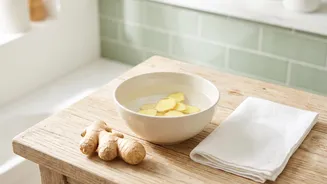
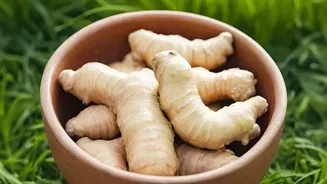
Your journey to a perfect cup of ginger water begins at the market. Look for ginger root that is firm, smooth, and heavy for its size, without any soft spots or wrinkled skin. To prepare it, give the root a thorough rinse under cool water to remove any dirt. Whether you peel the ginger is a matter of preference. If the skin is thin and clean, especially on organic ginger, you can leave it on to retain more nutrients that are close to the surface. If the skin is thick, blemished, or you're using non-organic ginger, it's best to peel it. A simple spoon is a surprisingly effective tool for scraping off the skin with minimal waste.
The Secret to Burn-Free Preparation
This is the most crucial step to avoid skin irritation. The key is to minimize direct contact between your skin and the ginger's juice. The easiest way to do this is by wearing a pair of kitchen gloves. If you don't have gloves, you can use other methods. When slicing, hold the ginger root at one end and slice the other, keeping your fingers away from the freshly cut, juicy surfaces. If you are grating the ginger, which releases the most juice, use a fork to hold the piece of ginger against the grater. This creates a barrier between your fingers and the pungent oils. Smashing the ginger is another effective method for releasing its flavor; you can place slices under plastic wrap and gently crush them with the flat side of a knife. After handling, wash your hands, utensils, and cutting board thoroughly with soap and water.
Brewing Methods: Hot or Cold
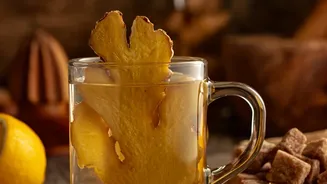
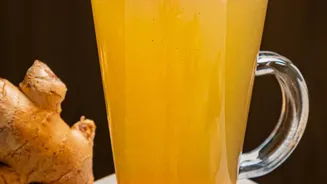
Once your ginger is prepped, you can make your ginger water. For a classic hot brew, bring about four cups of water to a boil in a pot. Add your sliced or grated ginger (a one-to-two-inch piece is a good start), reduce the heat, and let it simmer for 10 to 15 minutes. The longer it simmers, the stronger and spicier the water will become. For a no-heat-required cold infusion, simply add your prepared ginger to a jar of cold water and let it steep in the refrigerator for several hours or overnight. The flavor will be milder but just as refreshing. Cold-brewed ginger water should be consumed within about 24 hours for the best taste.
Straining, Storing, and Serving
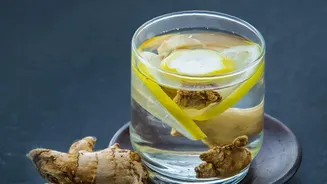
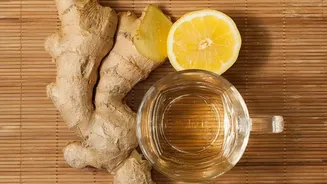
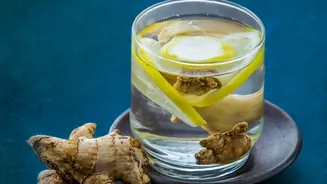
After steeping, strain the liquid through a fine-mesh sieve to remove the ginger pieces for a smooth drink. Your homemade ginger water can be enjoyed immediately, either hot or chilled. If you've made a larger batch of boiled ginger water, you can store it in an airtight container like a glass jar or bottle in the refrigerator for up to four days. The flavor might intensify slightly as it sits. To serve, you can drink it plain or enhance it with other ingredients. A squeeze of fresh lemon or lime juice, a spoonful of honey, or a few fresh mint leaves are popular additions that complement ginger’s zesty flavor beautifully.