







The Serving Size Surprise
Take a look at any popular breakfast cereal box in India, and you will find the nutrition facts panel. A key detail often overlooked is the 'serving size'. Most manufacturers recommend a serving of just 30 to 45 grams. Depending on the cereal's density—whether
it is a light, puffed grain or a heavier muesli—this can be anywhere from a third of a cup to a full cup. However, studies and informal experiments consistently show that most people pour significantly more than this suggested amount. Research has shown that using larger bowls can lead people to serve themselves up to 16% more cereal without even realising it. What looks like a normal portion in your breakfast bowl could easily be double or even triple the recommended serving size, which means you are consuming far more calories, sugar, and fat than you think.
Why This Tiny Number Matters
Doubling a 30-gram serving to a more realistic 60-gram portion also doubles everything else on the label. A cereal that seems to have a modest 7 grams of sugar per serving suddenly delivers 14 grams. The Indian Council of Medical Research (ICMR) suggests limiting added sugar intake to about 25-30 grams per day for most adults. Some cereals marketed to children can be over one-third sugar by weight. A large, seemingly innocent bowl could therefore account for more than half of a child's recommended daily sugar intake before the day has even properly begun. This phenomenon, known as 'portion distortion', can silently contribute to weight gain and increase the risk of lifestyle diseases. The Food Safety and Standards Authority of India (FSSAI) mandates that labels declare nutritional information, but understanding rests with the consumer.
How to Read the Label Like a Pro
Becoming a savvy consumer starts with knowing what to look for. When you pick up a box, go beyond the front-of-pack claims like “multigrain” or “low-fat.” First, find the serving size, usually listed in grams (g) and sometimes with a household measure like '1 cup'. Then, check the 'per 100g' column for a more standardized comparison between different products. Pay close attention to 'Added Sugar'—this is sugar that is not naturally occurring in the ingredients. The ingredient list is another powerful tool; ingredients are listed by weight, from highest to lowest. If sugar, maida (refined flour), or palm oil are among the first few ingredients, it is a sign that the product is likely not as healthy as it claims. Also look for fibre content; a higher fibre number is generally better as it helps with digestion and keeps you feeling full longer.
Visualising a True Serving
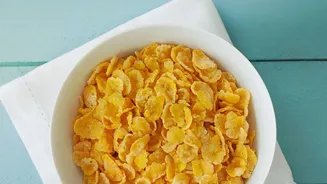
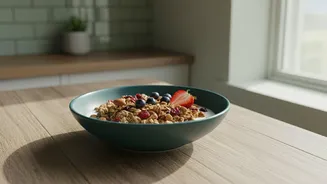
So what does 30-45 grams of cereal actually look like? The most accurate way to know for sure is to use a kitchen scale just once. Weigh out the recommended serving and pour it into your usual bowl. You might be surprised at how small it appears. Once you have that visual reference, you will not need to weigh it every day. For a quicker estimate, remember that a 30-gram serving of flakes is often about one cup, while a denser muesli or granola might only be about one-third of a cup. Another practical tip is to use a smaller bowl. Research shows this simple trick can help you naturally reduce your portion size without feeling deprived.
Building a Better Breakfast Bowl
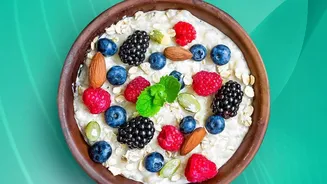
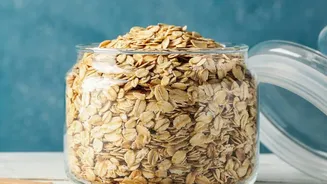
Being mindful of serving sizes does not mean your breakfast has to be unsatisfying. Instead, focus on building a more nutrient-dense meal. Start with a measured portion of a healthier cereal—one that is high in fibre, made from whole grains like oats or millets, and low in added sugar. Then, add volume and nutrients with toppings. Fresh fruits like berries or sliced bananas add natural sweetness and vitamins. A handful of nuts or seeds like almonds and chia seeds provides healthy fats and protein, which contribute to satiety. Adding a scoop of plain curd or a splash of milk offers calcium and more protein. This transforms a simple bowl of cereal into a balanced meal that provides sustained energy, helping you avoid mid-morning hunger pangs.