


The Science of a Browning Apple
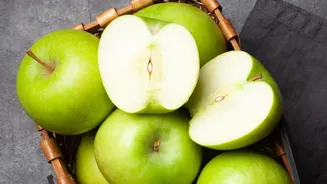
That unappealing brown shade is the result of a process called enzymatic browning. When you cut an apple, you break open its cells, exposing the inner tissue to oxygen in the air. This triggers an enzyme called polyphenol oxidase (PPO) to react with naturally
occurring compounds in the apple called phenols. This reaction creates new chemicals that then form brown-coloured pigments known as melanin. While this process is completely harmless, it can make the apple slices look less appealing and even slightly alter their texture and flavour. Different apple varieties brown at different rates, depending on their unique levels of enzymes and phenols.
The Key Is Beating Oxygen
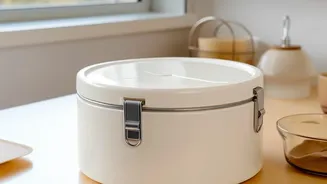
The headline says it all: the core strategy for preventing browning is to limit the apple flesh's exposure to oxygen. If you can block, slow, or interfere with the oxidation process, you can keep slices looking fresh for hours. This can be achieved in two main ways: creating a physical barrier that keeps air away from the apple’s surface, or using a treatment that chemically inhibits the browning enzyme itself. Many of the most effective methods, as you'll see, often combine both of these principles for maximum effect. Storing slices in an airtight container after treatment is a crucial final step to prolonging their freshness.
Your Arsenal of Sealing Techniques
While you can physically wrap slices tightly in plastic wrap or reassemble a cut apple with a rubber band, the most effective 'sealing' methods involve a liquid treatment that coats the surface. A quick soak can create an invisible shield that stops browning in its tracks. Some of the most popular and effective solutions include a salt water soak, a dip in lemon juice, or a commercial fruit preservative. A salt water bath, using about half a teaspoon of salt per cup of water, is surprisingly effective and a rinse afterwards removes any salty taste. A diluted lemon juice solution works because its ascorbic acid (Vitamin C) and low pH slow the browning reaction. You can also use other citrus juices, honey water, or products like Fruit-Fresh, which are specifically designed for this purpose.
The Ultimate Fresh Slice Method
For the best all-around results that are kid-approved and effective for hours, the saltwater soak is a clear winner for many. It consistently keeps apples looking fresh without imparting any noticeable flavour. Here’s the simple process: first, dissolve half a teaspoon of salt in a cup of cool water. As you slice your apple, drop the pieces directly into the salt water. Let them soak for about five to ten minutes. After soaking, drain the apples and give them a quick rinse under fresh water to remove any trace of saltiness. Pat the slices dry and store them in a sealed bag or airtight container in the refrigerator. This method can keep apples looking fresh for a school day and even overnight.
Common Mistakes to Avoid
While there are many effective methods, there are also some common pitfalls. Simply soaking apples in plain water provides a barrier, but it’s less effective long-term than using a solution with an anti-browning agent and can result in a watered-down flavour. Using undiluted lemon juice can be very effective at preventing browning, but it often leaves a sour taste that can be off-putting, especially for children. Another mistake is not storing the treated slices properly. After treating your apples, if you leave them exposed to air on a counter, they will still eventually brown. Always place them in an airtight container or a zip-top bag with the air squeezed out to get the longest-lasting results.