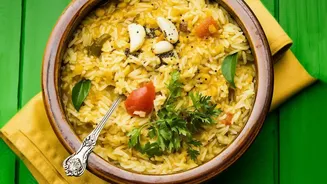

Khichdi: The Ultimate Comfort Food
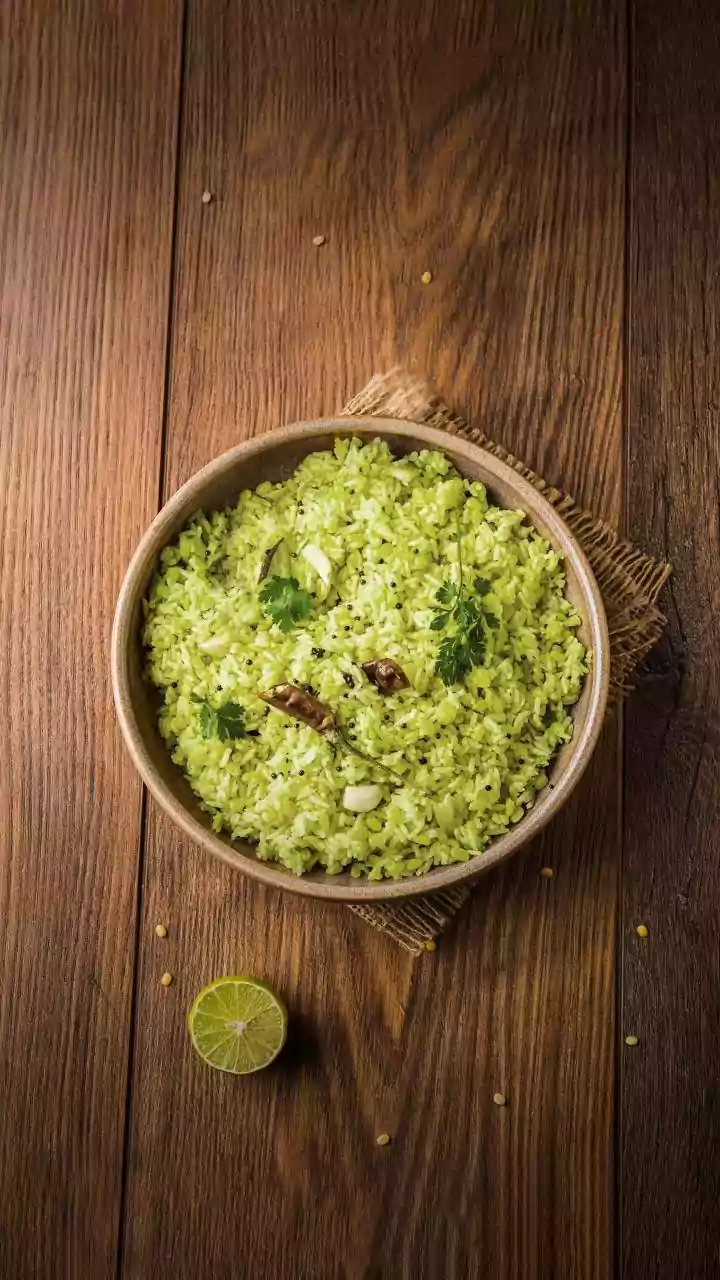
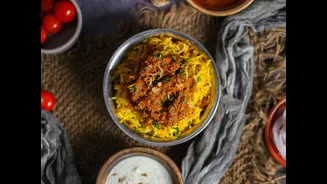
Perhaps the food most famously associated with PM Modi is Khichdi, a humble and wholesome dish of rice and lentils. This one-pot meal is a staple across India, known for being easy to digest and providing a balanced mix of carbohydrates and protein. Hailing
from Gujarat, Modi's fondness for Khichdi is well-documented, and it embodies the principles of simple, nourishing, and accessible food. Its promotion, whether intentional or not, aligns with a return to simple, home-cooked meals that are both comforting and healthy, representing a cornerstone of Indian culinary tradition.
Millets: The Promoted Supergrain
PM Modi has been a vocal champion for millets, which he often refers to as 'Shree Anna' or the 'mother of all grains'. His government successfully proposed that the United Nations declare 2023 as the International Year of Millets. These ancient grains, including jowar, bajra, and ragi, are nutrient-dense, gluten-free, and rich in fibre. They are also drought-resistant, making them a sustainable crop for farmers. By consistently promoting millets at national and international forums, PM Modi has linked this traditional food to larger goals of nutritional security, farmer welfare, and tackling climate change.
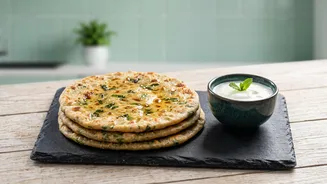
Moringa Paratha: A Nutrient-Packed Flatbread
Moringa, or drumstick leaves, are a powerhouse of nutrients, and PM Modi is known to be fond of parathas made with them. He has mentioned his preference for these parathas, which incorporate the nutrient-rich leaves into a popular Indian flatbread. Moringa is celebrated for its high content of vitamins, minerals, and antioxidants, which are believed to boost immunity and overall health. This choice highlights a diet that cleverly integrates potent traditional greens into everyday, familiar dishes, making healthy eating both practical and flavourful.
Makhana: The Healthy Snack
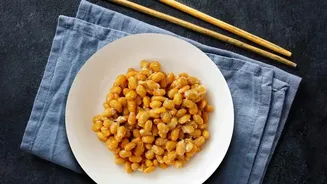
Instead of processed snacks, Makhana (fox nuts or lotus seeds) is reported to be a go-to for PM Modi. This light and crunchy snack is low in calories but high in protein and essential nutrients. Grown in the wetlands of India, makhana is a traditional food that has gained modern appeal as a healthy alternative to fried snacks. Its association with the Prime Minister underscores an emphasis on mindful snacking and choosing indigenous ingredients that offer both taste and nutritional benefits without the downsides of processed foods.
Sev Tameta Nu Shaak: A Tangy Gujarati Classic
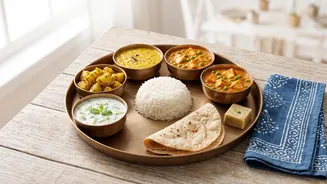
Reflecting his Gujarati roots, Sev Tameta Nu Shaak is another traditional dish linked to PM Modi's culinary preferences. This popular Gujarati curry is made with a tangy and sweet tomato base, topped with a generous amount of crispy 'sev' (fried gram flour noodles). The dish offers a delightful mix of textures and flavours, a hallmark of Gujarati cuisine. While it has an indulgent quality, the base of tomatoes provides antioxidants like lycopene. It represents a connection to regional culinary heritage and the joy of a flavourful, home-style meal.
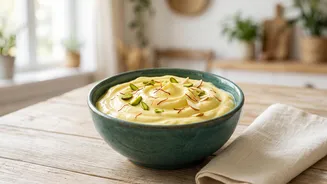
Shrikhand: A Probiotic-Rich Dessert
For a sweet treat, Shrikhand is another Gujarati favourite associated with the Prime Minister. This classic dessert is made from strained yoghurt (chakka), sweetened with sugar and flavoured with cardamom and saffron. Because it is yoghurt-based, Shrikhand is rich in probiotics, which are beneficial for gut health. While it is a dessert, its primary ingredient is healthy, showcasing a preference for traditional sweets that can be enjoyed in moderation as part of a balanced diet. It is a prime example of a traditional Indian dessert that is both delicious and has health benefits.
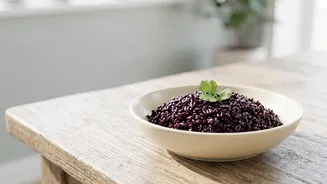
Black Rice: The Antioxidant Powerhouse
A lesser-known but significant food linked to PM Modi's diet is black rice. This variety of rice is noted for its striking dark colour, which comes from a high concentration of anthocyanins—powerful antioxidants also found in foods like blueberries. Black rice is a nutritious alternative to more common rice varieties, offering higher levels of fibre and minerals. Its inclusion highlights an appreciation for unique, nutrient-dense indigenous grains that go beyond the usual staples, reflecting a sophisticated understanding of how traditional foods can contribute to modern wellness.