




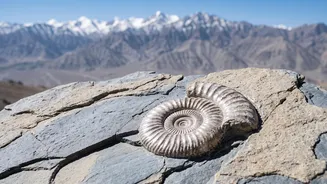
An Ocean's Ghosts in the Mountains
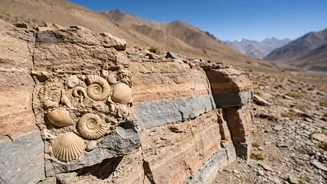
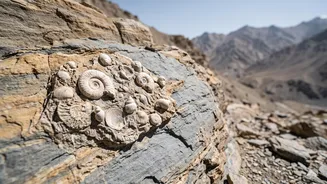
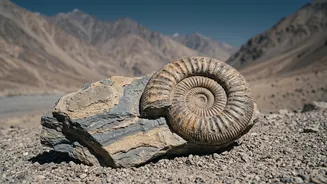
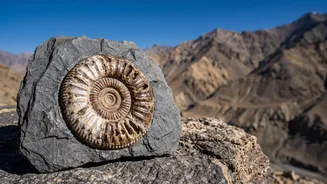
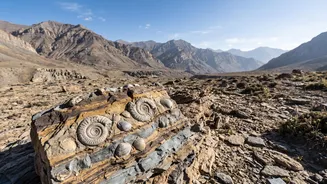
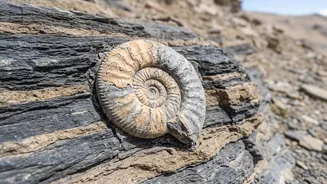
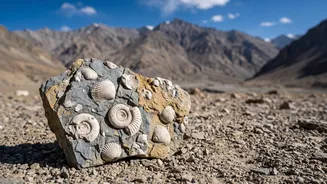
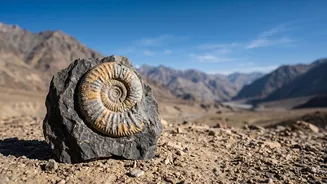
In the arid, windswept Changthang region of eastern Ladakh, a team of geologists has unearthed a remarkable collection of marine fossils. The discovery, made in Nyoma by geologist Dr. Ritesh Arya, includes gastropods (spiral-shelled molluscs), bivalves,
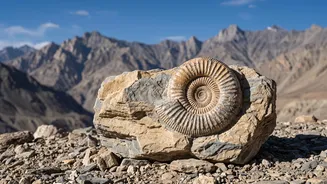
and oyster-like forms that are estimated to be between 34 and 38 million years old. This places them in the Eocene epoch, a time when the geography of the Indian subcontinent was dramatically different. Finding evidence of sea life in what is now a cold desert, thousands of metres above sea level, provides a powerful glimpse into a lost world and confirms that this now-barren landscape was once submerged beneath a warm, shallow sea.
The Crucial 'Subathu' Connection
The significance of this find lies in its connection to the 'Subathu Formation,' a well-known belt of sedimentary rocks found in the outer Himalayas, such as in Himachal Pradesh. These rocks are famous for containing a rich record of marine life from the final days of a vast, ancient ocean. The fossils discovered in Nyoma bear a striking resemblance to those from the Subathu belt. This has led scientists to a tantalizing hypothesis: that the Eocene-era sea, known as the Subathu Sea, extended much farther east into Ladakh than previously thought. Dr. Arya, who first noted traces of marine life in Nyoma back in 2018, was surprised by the familiarity of the fossils, stating they looked just like those regularly found in the Subathu Formation, but this time, he was standing in Ladakh.
Rewinding the Clock to the Tethys Ocean
To understand why there's an ancient seabed in the Himalayas, we have to go back more than 50 million years. At that time, the landmass that is now India was an island continent drifting northwards across the globe. It was separated from the Eurasian plate by a huge body of water called the Tethys Ocean. For millions of years, the floor of this ocean collected layers of sediment, along with the shells and skeletons of countless marine creatures. These layers of sand, mud, and organic remains slowly hardened into the sedimentary rock that today holds the fossil record of this long-lost sea.
The Collision that Built the Roof of the World
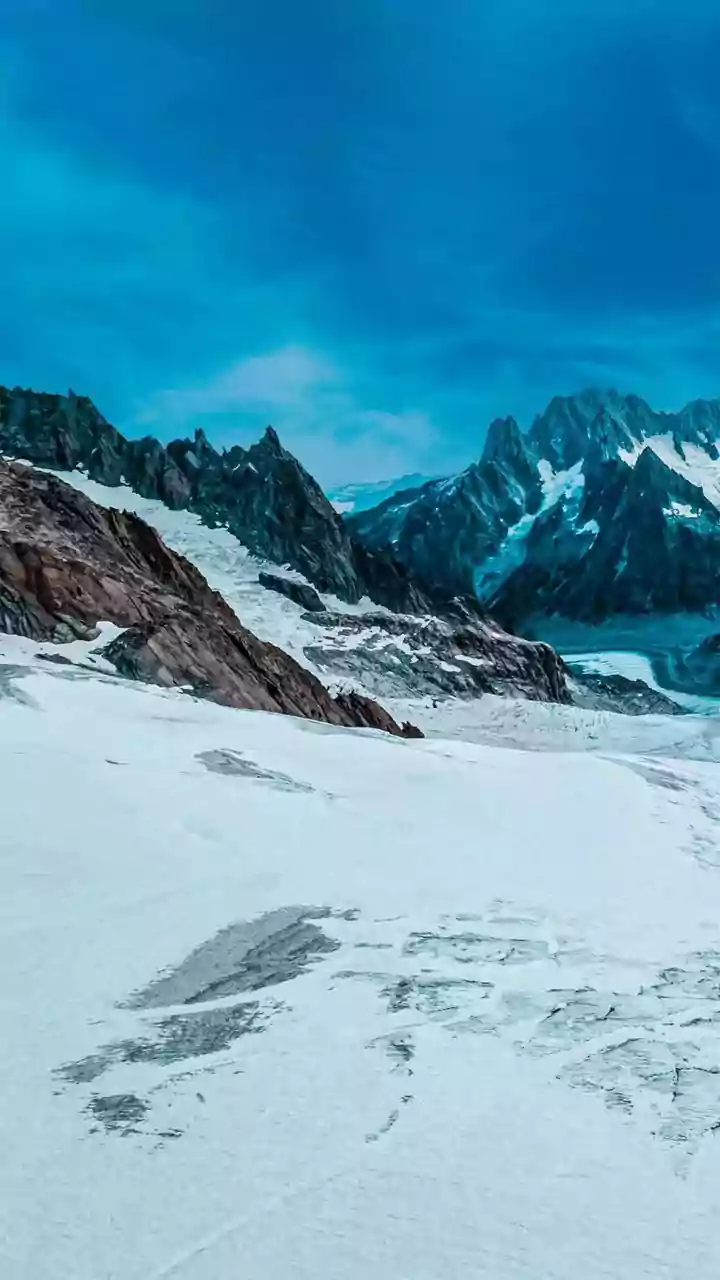
The Tethys Ocean began to shrink as the Indian plate continued its relentless journey north. Around 40 to 50 million years ago, the two landmasses collided. This was no ordinary crash. Because both continental plates were relatively light and buoyant, neither would slide under the other. Instead, the immense pressure caused the land to buckle, fold, and thrust upwards. The seabed of the Tethys, with all its embedded fossils, was lifted thousands of metres into the air, forming the Himalayan mountain range. The fossils found in Ladakh, and even near the summit of Mount Everest, are the definitive proof of this monumental process. They are silent witnesses to the ocean that vanished to give birth to the world's highest mountains.
Why This Discovery Matters Today
This discovery in Nyoma is more than just finding old shells; it helps to refine the timeline of the Himalayan uplift. By confirming a marine environment existed in Ladakh 38 million years ago, scientists can better pinpoint when the Tethys Sea finally retreated and when the mountains rose. The presence of fossil palms and wood alongside the marine creatures also suggests a much warmer, near-coastal environment, painting a completely different picture of ancient Ladakh. While the fossils are still undergoing detailed study to confirm their precise age and species, they represent a crucial new piece in the epic geological puzzle of the Himalayas, reminding us that even the most formidable landscapes hold secrets of a very different past.