


A Tale of Two Roots
In any well-stocked kitchen, you’ll find ingredients with distinct personalities. The fiery chilli, the mellow potato, and among the most characterful are the humble radish and beetroot. They grow in similar conditions, yet their culinary paths diverge
dramatically. One begs to be eaten raw, delivering a satisfying, spicy crunch. The other transforms in the oven, its earthy notes mellowing into a deep, concentrated sweetness. Understanding why they behave so differently is the key to unlocking their full potential. It’s a simple lesson in kitchen science: to get the best from your ingredients, you must first respect their inherent qualities.
The Radish: A Celebration of Crunch
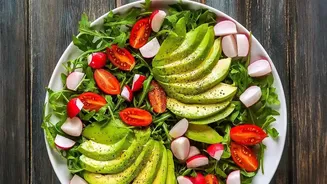
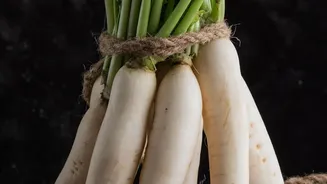
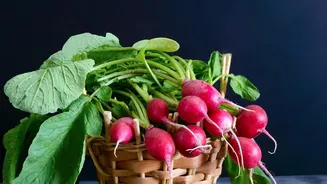
The appeal of a fresh radish lies in its texture and taste: a hydrating crispness followed by a peppery kick. This signature bite comes from compounds called glucosinolates and an enzyme, myrosinase. When you chew a raw radish, these two mix to form allyl isothiocyanates, the same zesty compounds found in mustard and wasabi. This reaction is the source of its assertive flavour. Its incredible crunch is thanks to a high water content—nearly 96%—held within its rigid cellular walls. Applying heat breaks down these walls and causes the pungent compounds to dissipate, leaving behind a disappointingly soft and muted version of its former self. To preserve its charm, serve radishes raw: sliced thinly over tacos, added to salads for a peppery bite, or served whole with butter and salt.
The Beetroot: Transformed by Fire
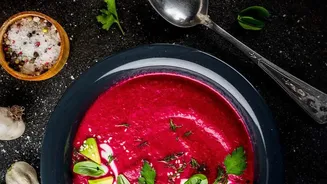
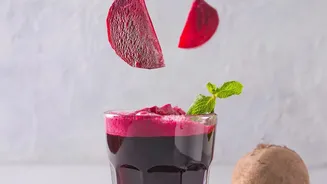
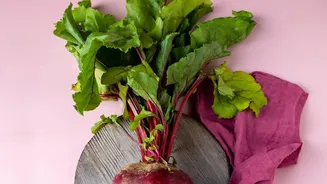
If the radish is a sprinter, the beetroot is a marathon runner. While edible raw, its true character emerges with slow, dry heat. Roasting a beetroot does two magical things: it removes moisture and it caramelizes the vegetable's natural sugars. Beets are already one of the sweeter vegetables, containing simple sugars like glucose and fructose. When roasted at high temperatures (typically 200°C or higher), the water inside the beet evaporates, concentrating these sugars and its earthy flavour. This process is known as caramelization, where sugars break down and form hundreds of new aromatic compounds, resulting in a deeper, nuttier, and more complex taste than its raw form. The result is a tender, intensely sweet, and richly flavoured vegetable that bears little resemblance to its hard, earthy raw state.
Kitchen Chemistry: Caramelization vs. Maillard
The browning that makes roasted vegetables so delicious involves two key processes. For beetroot, the star is caramelization. This reaction happens when sugars are heated above 160°C, breaking them down to create nutty, sweet, and even slightly bitter notes. It’s a process that involves only sugar and heat. You might also hear about the Maillard reaction, which is responsible for the savoury crust on a seared steak or baked bread. The Maillard reaction requires both amino acids (from proteins) and sugars to occur, and it creates complex, roasted, and savoury flavours. While vegetables have some protein, their transformation in the oven is primarily driven by the caramelization of their abundant natural sugars, which is why sweet vegetables like beetroots, carrots, and onions become so addictively delicious when roasted.
Getting the Best from Both
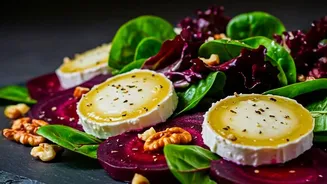
To make the most of these roots, follow their lead. For radishes, think fresh and fast. Slice them paper-thin and add them to salads, sandwiches, or avocado toast for a peppery crunch. Quick-pickling them also preserves their texture while taming some of their heat. For beetroots, patience is a virtue. To roast them, simply trim the leaves, toss them in olive oil, wrap them in foil, and bake in a hot oven for 45-60 minutes, or until fork-tender. Once cooled, the skins will slide off easily. Use roasted beetroot in salads with goat cheese and walnuts, blend it into a vibrant hummus, or simply serve it as a warm side dish. Embracing their differences is the first step toward making them shine on your plate.