





More Than Just Slow Motion
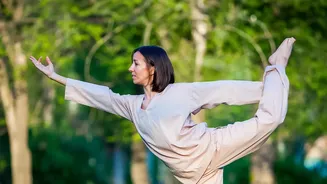
Often described as 'meditation in motion', Tai Chi is an ancient Chinese practice that combines slow, graceful movements with deep breathing and mental focus. It's not about muscle-straining poses or heart-pounding cardio. Instead, each posture flows
seamlessly into the next, creating a continuous, gentle workout. Originally a form of martial art, modern Tai Chi is celebrated for its health benefits, making it an accessible exercise for people of all ages and fitness levels, including those with joint issues or who are recovering from surgery.
The Sand and Sea Advantage
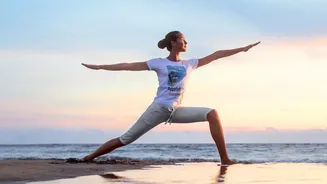
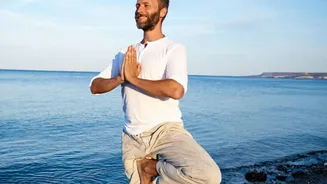
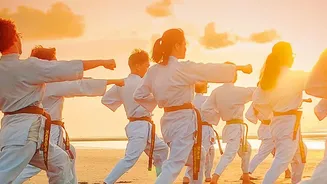
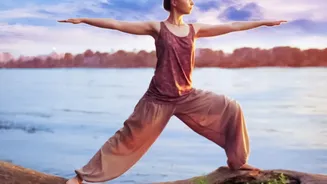
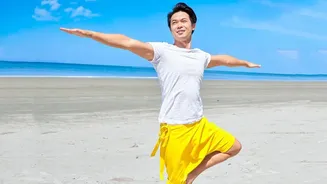
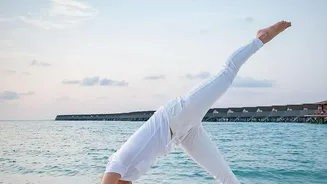
Practicing Tai Chi outdoors amplifies its benefits, and the beach offers a particularly powerful environment. The unstable surface of the sand challenges your stabiliser muscles in your feet, ankles, and core, helping to improve balance and proprioception—your body's ability to sense its position in space. This makes the exercise more effective for building strength compared to practicing on a hard, flat surface. Beyond the physical, the sensory experience of the beach—the sound of the surf, the fresh, salty air, and the expansive view—has a naturally calming effect on the nervous system, deepening the meditative aspect of the practice.
A Gentle Strength Builder
Don't let the gentle pace fool you; Tai Chi is a full-body workout. The soft sand provides natural resistance, forcing your leg muscles—calves, quadriceps, and glutes—to work harder with every subtle weight shift. This builds lean muscle over time without the jarring impact of running or other high-impact activities. Because the movements are slow and controlled, with joints never fully extended or locked, it's incredibly kind to your body. This makes it an ideal workout for improving joint mobility, preserving range of motion, and reducing pain associated with conditions like arthritis.
A Moving Meditation for the Mind
One of the most profound benefits of Tai Chi is its ability to reduce stress and quiet the mind. The practice encourages you to focus on your breath and the physical sensations of your body, which helps to anchor you in the present moment. Studies have shown that regular practice can lower levels of the stress hormone cortisol, ease anxiety, and improve mood. When combined with the restorative atmosphere of the beach, Tai Chi becomes a powerful tool for mental clarity and emotional well-being, activating the body's relaxation response.
Your First Steps onto the Sand
Getting started is simple. You don't need any special equipment, just comfortable clothing that allows for easy movement. Find a relatively flat and firm patch of sand near the water's edge, as this will be more stable than deep, soft sand, especially when you are a beginner. Early morning or late afternoon are often the best times to avoid crowds and the harshest sun. You can learn basic movements from online videos or find a local class, many of which are now held outdoors. Start with simple exercises like shifting your weight from foot to foot, feeling the sand beneath you, and coordinating your breath with slow arm movements. The key is to move at your own pace and focus on how your body feels.