





The Banana Ripeness Spectrum
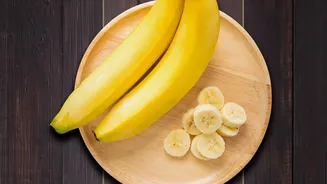
Before we talk about timing, it’s crucial to understand that a banana's nutritional profile changes dramatically as it ripens. A green, unripe banana is high in resistant starch, which functions like fibre. It passes through the small intestine undigested,
feeding good gut bacteria and leading to a slower release of energy. As a banana turns yellow, its starches convert into simple sugars like glucose, fructose, and sucrose. A yellow banana with brown spots is even sweeter and easier to digest. This means the glycemic index (GI)—how quickly a food raises blood sugar—is low for a green banana (around 30-42) but much higher for a ripe one (up to 62 or more).
For Gut Health and Blood Sugar Control
If your goal is to improve digestion and maintain steady blood sugar levels, a slightly green banana is your best friend. The high resistant starch content acts as a prebiotic, promoting a healthy gut microbiome. Because this starch is digested slowly, it prevents the sharp spike in blood sugar that can come from sweeter fruits. This makes a less-ripe banana an excellent choice for a morning meal, especially for individuals managing their blood sugar. It provides sustained energy that helps you avoid that mid-morning slump and keeps you feeling full for longer.
For a Quick Pre-Workout Energy Boost
Looking for a quick burst of fuel before hitting the gym? A perfectly yellow banana is the ideal snack. At this stage, the starches have converted to easily digestible natural sugars, providing a rapid source of energy that your muscles can use immediately. Bananas are also famously rich in potassium, an essential electrolyte that helps with muscle function and can prevent cramps during exercise. Eating a yellow banana about 30 to 60 minutes before your workout gives your body just enough time to process the carbohydrates for optimal performance without feeling weighed down.
For Post-Workout Recovery
After a strenuous workout, your muscles need to replenish their glycogen (stored energy) reserves. A ripe, spotty banana is perfect for this. The higher sugar content is quickly absorbed, helping to kickstart the recovery process. They are also at their sweetest and easiest to digest at this stage, making them a gentle option for your body after exercise. While both pre- and post-workout bananas have benefits, a spotty one after exercise specifically targets muscle repair and energy restoration.
For a Restful Night's Sleep
Eating a banana before bed might help you get a better night's rest. Bananas contain magnesium and potassium, both of which can act as natural muscle relaxants. They also contain tryptophan, an amino acid that the body uses to produce serotonin and melatonin—hormones that regulate mood and the sleep-wake cycle. While a banana isn't a cure for serious sleep issues, a small one eaten about an hour before bed can be a healthy snack that promotes relaxation. However, for some people, the sugar content in a very ripe banana might interfere with sleep, so it's best to see how your own body responds.
A Note on an Empty Stomach
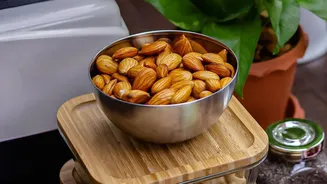
You may have heard that eating a banana on an empty stomach is a bad idea. For most people, it's perfectly fine. However, because of their natural sugar content, eating a banana alone can cause a relatively quick rise and fall in blood sugar, which might leave you feeling tired. For those with sensitive stomachs, the acidic nature of bananas might also cause minor discomfort. A simple solution is to pair your morning banana with a source of healthy fat or protein, like a handful of nuts, a spoonful of peanut butter, or a bowl of yogurt. This helps slow down digestion and creates a more balanced, sustained release of energy.