



The Great Protein Awakening
The demand for protein is no longer a niche trend for gym-goers; it has gone mainstream. According to the 'Farmley Healthy Snacking Report 2026', a comprehensive study surveying over 6,000 consumers, an overwhelming majority of Indians now actively seek
out protein in their snacks. This shift is driven by a growing awareness of protein's benefits, from providing sustained energy to aiding weight management. The report highlights that consumers are becoming more intentional about their food choices, seeking functionality and nutritional value. In fact, nearly a third of respondents said they are willing to pay more for protein-rich products, showing that nutrition is a key factor in purchasing decisions.
The Hidden Truth in the Wrapper
Here’s the catch: the 'high protein' label on the front doesn't tell the whole story. Many packaged protein snacks, especially bars and cookies, are loaded with hidden sugars, unhealthy fats, and a long list of artificial ingredients. To make these snacks palatable, manufacturers often use significant amounts of sweeteners, which can range from refined sugar and high-fructose corn syrup to sugar alcohols like maltitol, which can cause digestive issues. It's not uncommon for a protein bar to have a sugar content similar to that of a regular chocolate bar. Likewise, fats are added to improve texture and shelf life, but these can include saturated or hydrogenated oils that detract from the snack's overall health profile.
The 'Health Halo' Effect
This discrepancy between perception and reality is largely due to the 'health halo' effect. When a product is marketed with a prominent health claim like 'high protein', consumers tend to overlook other, less desirable aspects of its nutritional profile. The word 'protein' acts as a powerful marketing tool, creating an impression of wellness that can overshadow high calorie counts and sugar levels. The same survey that found 86% of people prioritise protein also noted that 61% prefer snacks sweetened with natural ingredients like dates. However, even natural sweeteners like dates, honey, and jaggery contribute to the total sugar and calorie load of a product. Many bars marketed as 'no added sugar' may still be high in carbohydrates and total sugars from these sources.
How to Choose a Genuinely Healthy Snack
So, how can you navigate the snack aisle and make a truly healthy choice? It comes down to reading the nutrition label carefully. First, look at the protein-to-sugar ratio. A good rule of thumb is to seek out snacks where the protein content in grams is significantly higher than the sugar content. Aim for bars with at least 15 grams of protein and less than 8 grams of sugar. Next, check the ingredients list. Opt for products with whole-food ingredients you recognise, like nuts, seeds, and whole grains, listed at the beginning. Be wary of long, complicated lists filled with various syrups, gums, and vague 'protein blends'. Finally, consider the source of protein. Whole food sources are always preferable, but if you're choosing a packaged snack, look for clearly identified proteins like whey, casein, or pea protein.
Smarter, Simpler Protein Alternatives
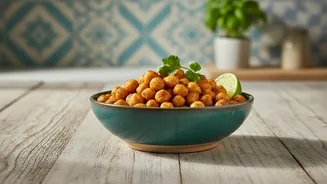
While convenient, packaged protein snacks are not the only option. India's traditional food landscape is rich with naturally high-protein snacks that are both affordable and nutritious. Options like roasted chana (chickpeas), paneer cubes, boiled eggs, sprouts, and Greek yogurt are excellent choices. A handful of roasted chana provides a good mix of protein and fibre, keeping you full for longer. A simple bowl of sprouts or a serving of paneer can offer a substantial protein boost without the processed ingredients and added sugars found in many commercial products. These whole-food alternatives are often more satisfying and provide a broader range of nutrients, making them a superior choice for daily snacking.