



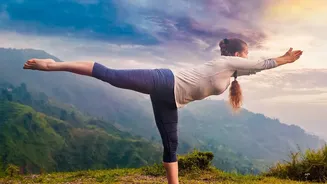
The Case for Calm: Gentle Yoga
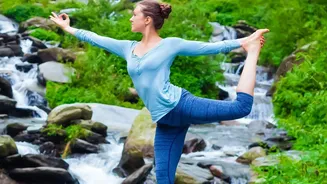
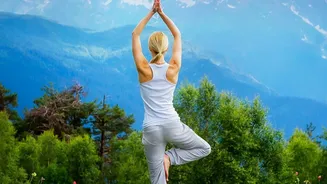
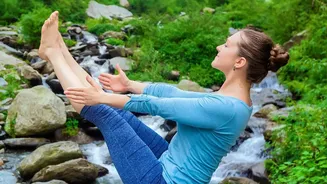
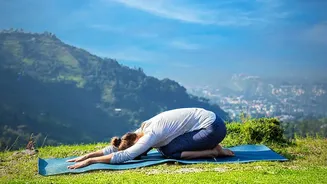
Gentle yoga is a low-impact practice centred on slow, deliberate movements and controlled breathing. Its primary strength lies in its ability to connect mind and body, fostering a state of mindful relaxation. One of the most celebrated benefits is a significant
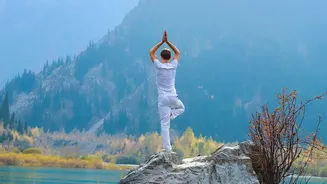
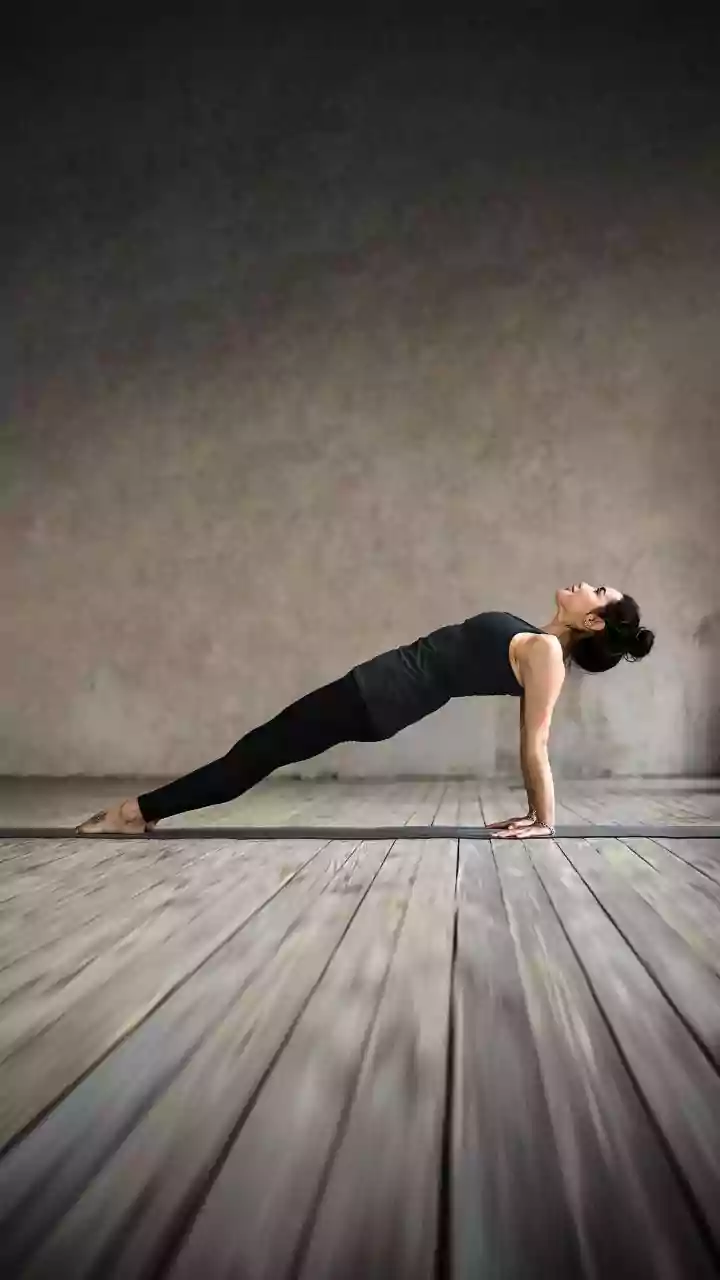
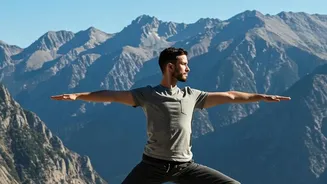
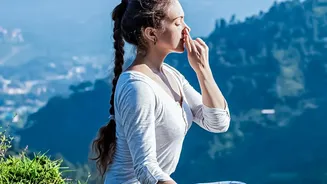
increase in flexibility and balance. Regular practice lengthens muscles and improves the range of motion in your joints, which is crucial for overall mobility. Yoga is also a powerful tool for stress management. The emphasis on deep breathing techniques, or pranayama, helps calm the nervous system, lower blood pressure, and reduce resting heart rates. This makes it an excellent choice for individuals dealing with high-stress lifestyles or those seeking mental clarity. Because it places minimal strain on the joints, yoga is accessible to people of all fitness levels, including beginners, older adults, and those with arthritis or recovering from injury.
The Thrill of the Trail: Outdoor Trekking
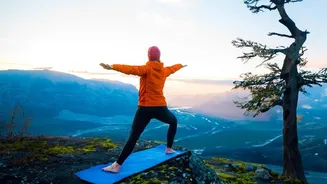
High-energy outdoor trekking is a high-impact activity that offers a robust physical challenge combined with the mental benefits of being in nature. Its main advantage is cardiovascular conditioning. Navigating varied terrain elevates your heart rate, strengthening your heart muscle and improving endurance. This type of exercise is highly effective for burning calories and can be a cornerstone of a weight management plan. Trekking builds significant strength, particularly in the legs, glutes, and core, as your body works to stabilize itself on uneven ground. Furthermore, high-impact activities are known to increase bone density, which is vital for long-term skeletal health. Beyond the physical, spending time in nature has been shown to reduce stress and anxiety, an effect sometimes called 'ecotherapy'. The combination of physical exertion and natural scenery provides a powerful boost to mental well-being.
Goal 1: Weight Loss and Heart Health
When it comes to shedding kilos and boosting cardiovascular health, high-energy trekking generally has the edge. The sustained, elevated heart rate during a challenging hike burns more calories than a typical gentle yoga session. It directly trains the heart to pump more efficiently. However, yoga should not be dismissed. Some studies have shown that yoga can be as effective as brisk walking or cycling at reducing cardiovascular risk factors like high blood pressure and cholesterol. Its stress-reducing effects can also help curb emotional eating, and building lean muscle through yoga can modestly increase your metabolism.
Goal 2: Flexibility and Stress Relief
Here, gentle yoga is the undisputed champion. The entire practice is built around improving flexibility, releasing tension from muscles, and calming the mind. The meditative aspect of yoga provides a structured way to disconnect from daily stressors and focus inward, which trekking's more physically demanding nature might not always allow for. For those with joint pain or who are prone to injury, yoga's low-impact nature makes it a safer and more comfortable option. Trekking, being a high-impact activity, can sometimes place significant strain on the knees and ankles, making post-hike soreness a common issue.
The Verdict: Better for Whom?
Instead of a single winner, the 'better' choice depends entirely on your personal goals, physical condition, and what you genuinely enjoy. If your primary aim is aggressive weight loss, building cardiovascular endurance, and you crave adventure in the great outdoors, then high-energy trekking is likely your best bet. It offers a powerful workout and a deep connection with nature. If your focus is on reducing stress, increasing flexibility, improving posture, and you prefer a gentle, restorative practice that you can do almost anywhere, then gentle yoga is the superior option. It nurtures the body and mind in a way that intense exercise often cannot.
The Ultimate Solution: Why Not Both?
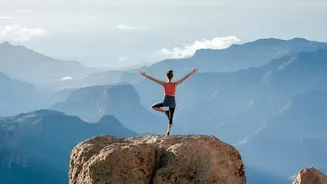
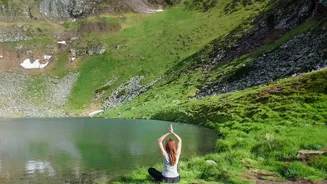
Perhaps the most effective wellness strategy isn't choosing one over the other, but integrating both into your routine. Yoga and trekking are complementary activities that create a powerful synergy. A regular yoga practice can build the core strength, balance, and flexibility needed to prevent injuries on the trail. Stretching after a long hike with yoga poses can significantly reduce muscle soreness and speed up recovery. In turn, trekking provides the high-intensity cardio that a gentle yoga practice might lack. By combining the two, you get a holistic fitness plan that builds strength, endurance, flexibility, and mental resilience.