



The Cost Equation: Your Wallet Knows the Winner
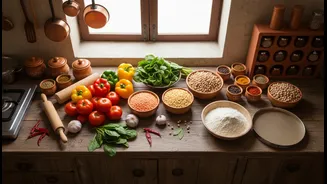
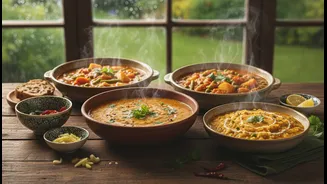
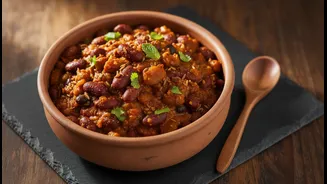
Let's start with the most straightforward aspect of practicality: price. A quick look at the grocery bill reveals a clear disparity. The ingredients for a generous pot of rajma or chana masala—dried beans, onions, tomatoes, and a handful of common spices—are
among the most affordable pantry staples in India. A single batch, which can easily feed a family for a couple of meals, can be prepared for a fraction of the cost of a single package of a branded meat substitute. These processed alternatives, often made from pea or soy protein isolates, come with a premium price tag attached, reflecting their complex manufacturing process and marketing budgets. While they offer a novel experience, for day-to-day cooking, the economics heavily favour the traditional bean curry.
A Clear Nutritional Advantage
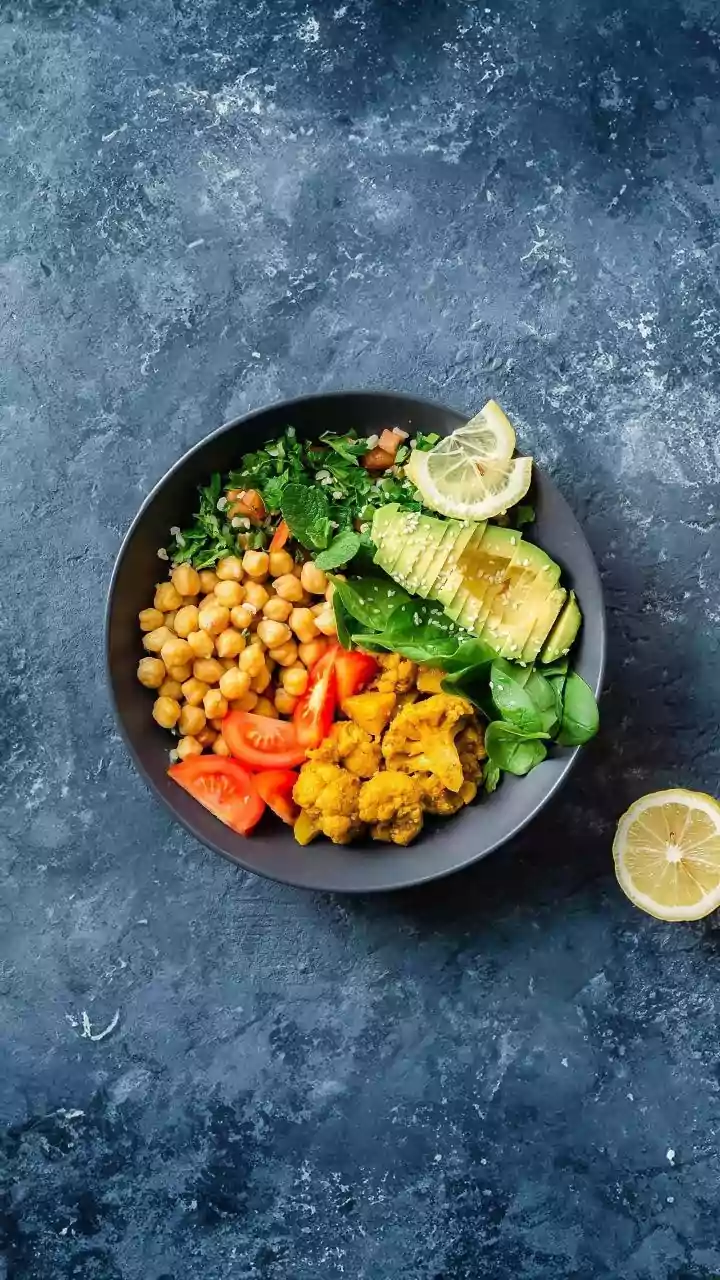
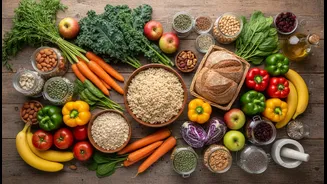
When we talk about practicality, health and nutrition are paramount. A simple bean curry is a nutritional powerhouse, made from whole foods. Beans and lentils are naturally rich in protein, complex carbohydrates, and, most importantly, dietary fibre. Fibre is crucial for digestive health, helps regulate blood sugar levels, and provides a feeling of fullness, which can aid in weight management. In contrast, many branded substitutes are classified as ultra-processed foods. While they are often fortified, they can also contain high levels of sodium, unhealthy fats, and a long list of additives like thickeners and artificial flavours to mimic the texture and taste of meat. Cooking at home gives you complete control over every ingredient, allowing you to manage salt, oil, and sugar levels to suit your family’s health needs.
Flavour, Freedom, and Customisation
A branded substitute offers a consistent, but fixed, flavour profile. A homemade bean curry, on the other hand, is a canvas for culinary creativity. You are the master of your own dish. Prefer it spicier? Add an extra chilli. Want a tangier gravy? A bit more tomato or a squeeze of lemon will do the trick. You can add seasonal vegetables, adjust the consistency of the gravy, and perfect the balance of spices to match your personal taste. This level of customisation is something a pre-packaged product simply cannot offer. This freedom to adapt and improvise is the very soul of home cooking, turning a simple meal into a personal expression of flavour and tradition.
What 'Convenience' Really Means
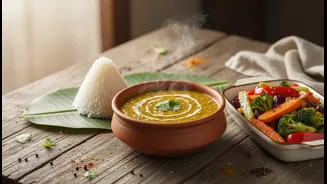
The primary selling point for many branded substitutes is convenience. But is opening a package always more practical than cooking from scratch? While a pre-formed patty might be quicker for a single meal, a pot of bean curry offers a different kind of convenience: the gift of leftovers. Cook once, eat twice (or even thrice). A large batch of dal makhani or lobia curry can be refrigerated or frozen, providing quick, wholesome meals for busy weeknights. The active cooking time for a simple bean curry, especially with a pressure cooker, is often less than an hour. When you factor in the multiple servings it yields, the time investment per meal becomes incredibly efficient, challenging the notion that processed foods are the only solution for a time-poor lifestyle.
Beyond the Plate: Tradition and Sustainability
Finally, there’s a layer of practicality that extends beyond our kitchens. Legumes have a significantly lower environmental footprint compared to highly processed foods. While plant-based substitutes are generally better for the environment than meat, minimally processed whole foods like beans and lentils are an even more sustainable choice. They require less energy and water to produce and result in less packaging waste. Furthermore, dishes like dal and bean curries are woven into the fabric of Indian culture. They represent comfort, nourishment, and a connection to generations of culinary wisdom. Embracing them is not just a practical choice for our health and finances, but also a celebration of our rich food heritage.