




A New Green Wave
In a country where masala chai is woven into the cultural fabric, a quiet but significant shift is underway. Urban India, particularly its millennial and Gen Z population, is looking beyond the familiar comfort of milk and spices. Recent search data reveals
a massive spike in curiosity for Japanese teas, with Google searches for “how to make matcha” surging by 1,300% over the past year. This isn't just a fleeting trend; it signals a deeper change in the Indian palate, driven by a quest for new flavours, wellness benefits, and global experiences. The Indian matcha market alone was valued at over USD 40 million in 2024 and is growing at nearly double the rate of the traditional tea market, showcasing a genuine and expanding appetite.
Matcha: The Undisputed Star
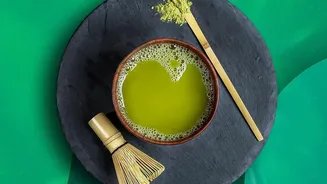
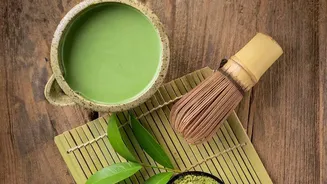
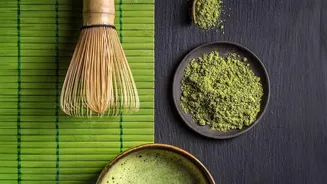
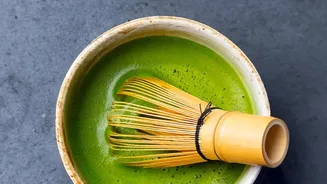
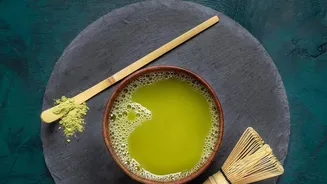
Leading this new charge is matcha, the vibrant, powdered green tea with roots in Japanese ceremony. Once a niche item found only in specialty stores, matcha lattes are now a staple in third-wave cafes from Delhi to Bangalore. The appeal is multi-fold. Its vivid green colour makes it an Instagram favourite, while its touted health benefits, including a rich concentration of antioxidants, resonate with an increasingly health-conscious audience. Google searches for “matcha health” and “matcha protein” have soared by 1,000% and 2,500% respectively. Consumers are not just drinking it at cafes; they are bringing the ritual home, with searches for matcha whisks and bowls showing 'breakout' interest.
Beyond Matcha: Meet Hojicha and Friends
While matcha may be the gateway, curious drinkers are quickly discovering its cousins. Hojicha, a green tea that is roasted over charcoal, is rapidly gaining fans for its nutty, caramel-like flavour and lower caffeine content. Its warm, toasty profile resonates with Indian palates accustomed to roasted flavours, making it a comforting alternative to both coffee and traditional tea. Search interest for hojicha reached an all-time high in 2026, with people actively looking up the difference between it and matcha. Other Japanese teas like Sencha, a classic steamed green tea, and Genmaicha, which contains toasted brown rice, are also beginning to appear on cafe menus and in online stores, catering to a desire for sophisticated and diverse flavour profiles.
The Wellness and Cafe Connection
The rise of Japanese tea in India cannot be separated from two powerful forces: the wellness movement and the boom in cafe culture. Indian consumers are actively seeking out 'functional beverages' — drinks that offer benefits beyond simple hydration. Japanese green teas, known for compounds that can improve focus and offer a calmer energy boost than coffee, fit this demand perfectly. Cafes have become the testing grounds, introducing these new flavours to the public in accessible and appealing formats like lattes, coolers, and even desserts. This exposure, amplified through social media, creates a cycle of discovery and demand that is pushing these trends from niche to mainstream.
An Evolving Tea Identity
This growing interest in Japanese teas is not a threat to India's chai tradition but rather an expansion of it. It shows an evolving consumer who is both rooted in local taste and curious about global culture. The trend is even being localized, with searches for “mango matcha” and “strawberry matcha” on the rise, indicating a playful fusion of flavours. This movement reflects a confident and adventurous Indian palate, eager to explore, experiment, and redefine what it means to be a tea-loving nation. It’s a new chapter in India’s long and storied relationship with the world’s most popular beverage.