







What Exactly is a GI Tag?
Think of a GI tag as a product's birth certificate and passport rolled into one. It is a form of intellectual property protection that identifies a product as originating from a specific geographical area. The product's quality, reputation, and unique
characteristics must be essentially attributable to that origin. Governed in India by the Geographical Indications of Goods Act of 1999, this tag ensures that only products genuinely from that region can carry the celebrated name. It prevents unauthorised use and counterfeiting, protecting both the producer and the consumer. For buyers, it’s a guarantee of authenticity; for producers, it’s a legal shield that preserves their legacy and economic well-being.
The Sweet Story of GI-Tagged Mangoes
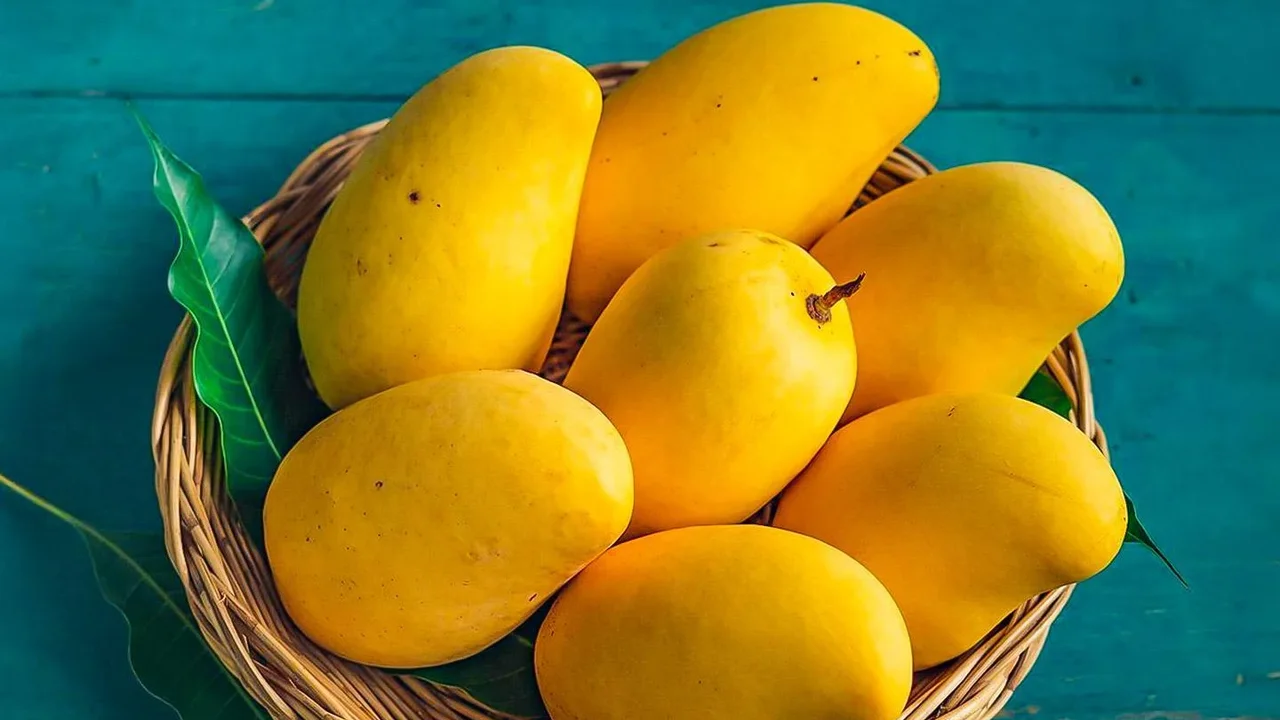
India’s love affair with mangoes is legendary, and GI tags help protect its most cherished varieties. Take the world-renowned Alphonso mango from Maharashtra's Konkan region. Its tag guarantees the unique saffron-coloured pulp, creamy texture, and minimal fibre that imitators can’t replicate. Then there's the Gir Kesar from Gujarat, named for its saffron-hued pulp and aroma, cultivated around the Gir forest. Other stars include the sweet Jardalu from Bihar, the golden Laxman Bhog from West Bengal, and the distinctly shaped Banganapalle from Andhra Pradesh. When these mangoes are exported, they carry more than just flavour; they carry the sunshine, soil, and soul of their specific Indian homes, assuring international consumers they are savouring the real deal.
A Cup of Protected Heritage
Darjeeling tea, famously known as the "Champagne of Teas," was the very first Indian product to receive a GI tag in 2004. This was crucial because, for years, far more “Darjeeling” tea was sold globally than was actually produced in its 87 designated gardens. The GI tag ensures that only tea cultivated in these misty, high-altitude slopes can be legally called Darjeeling tea, protecting it from fakes from other regions or countries. This protection safeguards the livelihoods of over 50,000 workers and preserves the tea’s delicate, floral 'muscatel' flavour that cannot be reproduced elsewhere. Similarly, the robust Assam tea and the delicate Kangra tea from Himachal Pradesh also have GI tags, each telling a distinct story of its terroir.
The Grain That Narrates a Nation's Tale
Basmati rice is more than just a staple; it’s a cultural icon, essential to biryanis, pulaos, and festive meals across India. The GI tag for Basmati protects the long-grain, aromatic varieties grown in the specific regions of the Indo-Gangetic Plains, including Punjab, Haryana, and Uttarakhand. This certification is a powerful tool in international markets, where it acts as a legal guarantee of origin and quality against long-grain rice from other parts of the world. It assures global buyers of the authentic aroma, grain length, and post-cooking elongation that defines true Basmati. This protection has been vital for India, the world's largest producer and exporter of Basmati, solidifying its brand and ensuring its premium value abroad.
Beyond a Label: Economic and Cultural Ambassadors
A GI tag is far more than a sticker on a package. It is an engine for rural development and economic empowerment. It allows local communities to command premium prices for their unique products, preventing exploitation and boosting their income. By creating a distinct identity on the world stage, these tags open up new export markets and enhance the global competitiveness of Indian goods. Leading export destinations for India's GI products now include the UK, USA, and UAE. Ultimately, every box of GI-tagged Alphonso mangoes, every packet of Darjeeling tea, and every bag of Basmati rice sold abroad serves as a cultural ambassador, sharing a piece of India’s rich agricultural heritage and regional diversity with the world.