





Shinjuku Gyoen, Tokyo: A World of Gardens
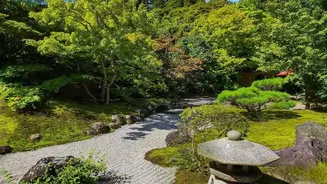
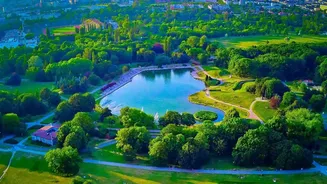
Just a short walk from the world's busiest train station, Shinjuku Gyoen offers a breathtaking escape. This expansive park is renowned for its three distinct garden styles: a traditional Japanese Landscape Garden with serene ponds and bridges, a formal
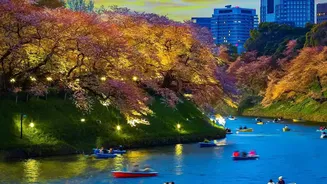
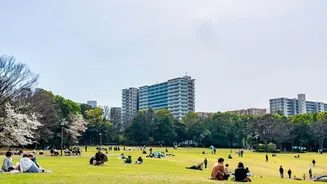
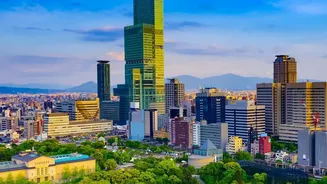
French Garden with symmetrical rose beds, and a spacious English Landscape Garden with wide, open lawns. This diversity makes it a photographer's paradise. Capture the contrast of the Nishi-Shinjuku skyline against the tranquil English garden or frame the iconic Taiwan Pavilion across the water. The park is home to approximately 900 cherry trees of 70 varieties, making its hanami (cherry blossom viewing) season one of the longest and most spectacular in Tokyo. In autumn, the maple trees create a fiery display of reds and oranges.
Ueno Park, Tokyo: Culture Amidst Nature
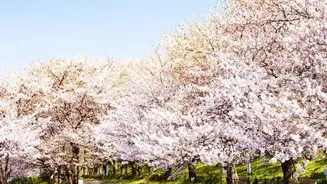
Ueno Park is one of Tokyo's most popular and culturally significant green spaces. It's not just a park but a complex of museums, shrines, and a zoo, offering a blend of natural beauty and history. For photographers, the Shinobazu Pond is a highlight, especially in summer when it is covered in lotus flowers. The Kiyomizu Kannon-do temple offers a unique photo opportunity with its 'Moon Pine', a branch shaped into a perfect circle, which can be used to frame the Bentendo Hall in the distance. In spring, the park's main pathways are famously lined with cherry trees, creating beautiful floral tunnels that attract large crowds for hanami parties. Its blend of temples, nature, and lively atmosphere provides a rich canvas for any photographer.
Kenrokuen, Kanazawa: A Perfect Landscape
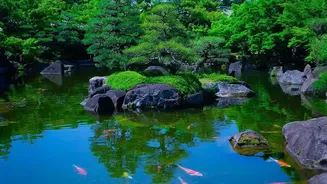
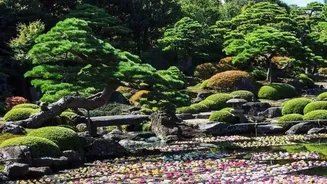
Justifiably celebrated as one of Japan's three most beautiful landscape gardens, Kenrokuen in Kanazawa is a masterpiece of horticultural art. The name translates to "Garden of the Six Sublimities," reflecting the six essential attributes of a perfect garden: spaciousness, seclusion, artifice, antiquity, abundant water, and broad views. Its most iconic photo spot is the two-legged Kotojitoro Lantern, which stands elegantly on the edge of the vast Kasumigaike Pond. The garden's design offers a new vista with every turn, from winding streams and waterfalls to charming teahouses. In winter, the park is famous for its 'yukitsuri'—ropes stretched from bamboo poles to protect the pine tree branches from heavy snow, creating a stunning conical geometry.
Maruyama Park, Kyoto: The Weeping Cherry
As Kyoto's oldest park, Maruyama Park is the city's main center for cherry blossom viewing. Its star attraction is a magnificent weeping cherry tree (shidarezakura) that stands at the center of the park. This towering tree, the second generation to hold this spot, becomes an ethereal vision when it is illuminated at night during peak bloom, an event known as 'Gion no Yozakura' (Gion's Night Sakura). This makes it a bucket-list shot for photographers visiting Kyoto in the spring. Located adjacent to the famous Yasaka Shrine, the park is a bustling hub of activity during hanami season, with food stalls and festive crowds gathering under the blossoms. Beyond spring, the park offers beauty in every season, from lush greenery in summer to vibrant foliage in autumn.
Moerenuma Park, Sapporo: A Sculptural Landscape
Moerenuma Park in Sapporo is unlike any other park in Japan. Designed by the visionary artist Isamu Noguchi, the entire park is conceived as a single, massive sculpture. Built on a former waste treatment site, it masterfully blends nature with bold, geometric forms. Photographers are drawn to its unique man-made features, including the striking Glass Pyramid, the towering Mount Moere, and the dynamic Sea Fountain, which puts on a show with water jets reaching up to 25 meters. The park offers distinct visual appeal throughout the year, with cherry blossoms in spring, water features in summer, colorful foliage in autumn, and a vast, snow-covered landscape perfect for sledding in winter. It's a testament to how art can transform a landscape, offering endless abstract and architectural photo opportunities.
Yoyogi Park, Tokyo: A Hub of Activity
Adjacent to Meiji Shrine and the vibrant Harajuku district, Yoyogi Park is one of Tokyo's largest and most energetic parks. While it has fewer cherry trees than other major parks, it is famous for its spacious lawns, forested areas, and a ginkgo tree forest that turns a brilliant gold in autumn. What truly sets Yoyogi Park apart for photographers is its people. On weekends, the park comes alive with a diverse array of subcultures and performers. You might find rockabilly dancers, street performers, musicians, and artists, making it an incredible spot for candid, vibrant street and cultural photography. The former site of the 1964 Olympic Village, its wide paths are also popular for jogging and cycling, adding to the dynamic atmosphere.