





India's 'SpaceX Moment'
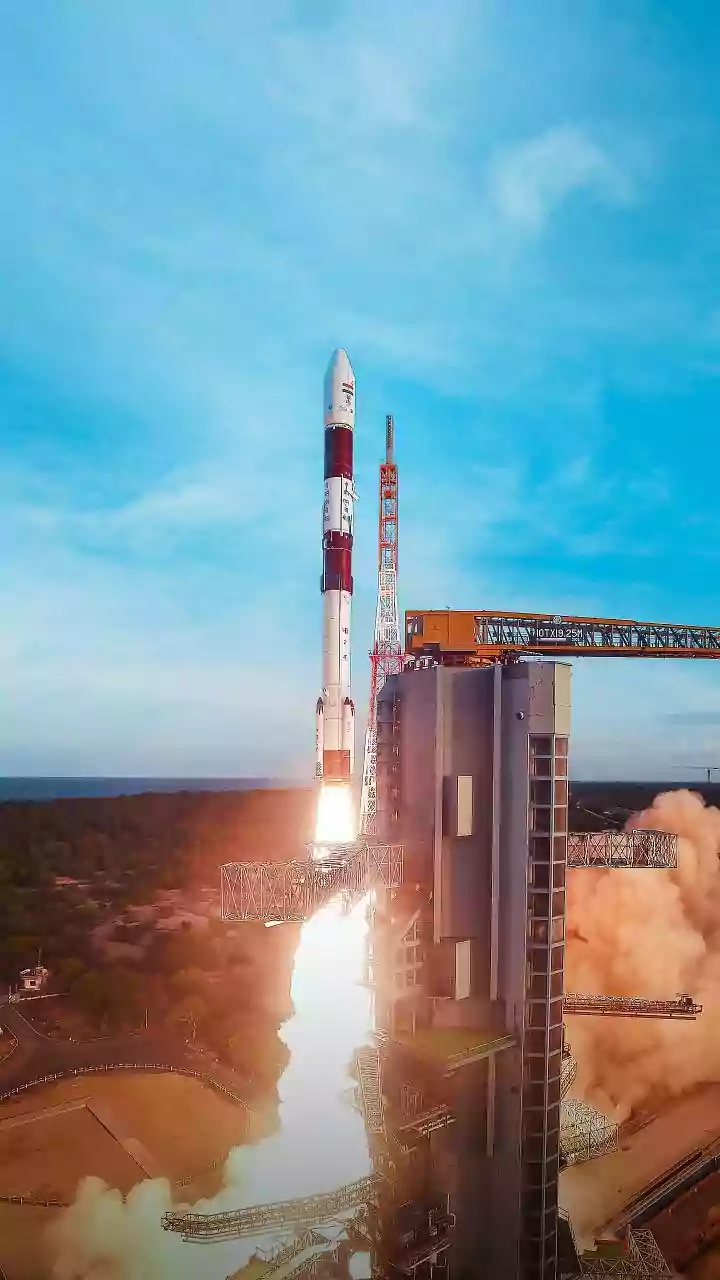
On July 18, 2026, Skyroot Aerospace carved its name into the annals of space history by becoming the first private Indian company to launch a rocket, Vikram-1, into orbit. The successful mission, dubbed 'Aagaman' or 'arrival', deployed its payloads as
planned and marked a new dawn for the country's burgeoning space-tech industry. For years, India's space efforts were the exclusive domain of the state-run ISRO. This launch, achieved on the very first attempt, was a monumental validation of the government's 2020 reforms to open the sector to private players, signaling that Indian startups are ready to compete on the global stage. The technical milestone was celebrated as a national achievement, demonstrating sophisticated capabilities like an all-carbon composite structure and 3D-printed engines. Skyroot had successfully answered the fundamental question: can a private Indian firm build and fly a rocket to orbit? The answer was a resounding yes.
From Prototype to Production
A single successful launch, however, does not make a launch business. The next, and arguably more difficult, phase for Skyroot is the transition from a research and development powerhouse to a high-volume manufacturer and reliable service provider. The challenge is no longer just about building a rocket; it's about building a factory that can produce rockets consistently and affordably. Co-founder Naga Bharath Daka has emphasized that the company's focus for the next year will be on demonstrating repeated, reliable launches. This means moving beyond a one-off success and industrializing the process. The goal, as stated by CEO Pawan Kumar Chandana, is to achieve a production capacity of one rocket per month. This shift requires a different set of skills—not just engineering brilliance, but excellence in supply chain management, quality control, and process optimization. The focus moves from the design room to the factory floor.
The Grind of Operational Discipline
Operational discipline is the unglamorous but essential work that turns a visionary startup into a sustainable enterprise. For a launch provider, it means ensuring every single task is performed the right way, every time. This is what builds the trust of satellite companies, whose expensive payloads cannot tolerate launch failures. The global small satellite market is intensely competitive, with customers prioritizing reliability, launch frequency, and cost above all else. Skyroot's challenge is to establish a rhythm, or cadence, of dependable launches that attracts and retains a backlog of international clients. This involves thousands of meticulous steps: managing over 400 suppliers, rigorously analysing flight data to make incremental improvements, and shrinking the turnaround time between missions. It's about removing ambiguity and protecting the speed and quality of the work, which is the foundation of any successful high-tech manufacturing operation.
The Competitive Cosmos
Skyroot does not operate in a vacuum. The global launch market is dominated by established players like SpaceX and Rocket Lab, companies that mastered the transition from initial success to market dominance. They set the standard for what customers expect in terms of cost and reliability. While Vikram-1 serves the small satellite market, Skyroot is already developing its more powerful successor, Vikram-2, to compete for larger contracts. The company has also signaled its ambition to develop reusable rockets, a key driver of cost reduction pioneered by SpaceX. With a reported valuation of over $1.1 billion and significant funding secured, Skyroot has the financial runway to pursue these goals. Its success is crucial not just for the company, but for India's ambition to capture a larger share of the projected $2 trillion global space economy.