





Not All Rice Flours Are Created Equal
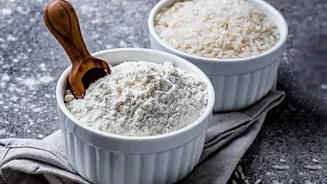
Before you start baking, it is crucial to understand that there are different types of rice flour, and they are not always interchangeable. The three main players are white rice flour, brown rice flour, and glutinous rice flour (also known as sweet rice flour).
White rice flour, milled from polished white rice, is light and has a neutral flavour, making it a versatile choice. Brown rice flour includes the bran, giving it a nuttier taste and denser texture. The real game-changer for texture, however, is glutinous rice flour. Despite its name, it contains no gluten; the term 'glutinous' refers to the sticky, glue-like consistency it develops when cooked, which is key to achieving a chewy texture.
The Secret to Soft and Chewy Desserts
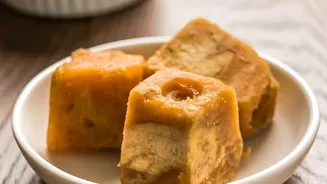
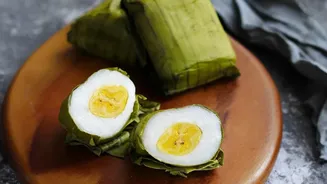
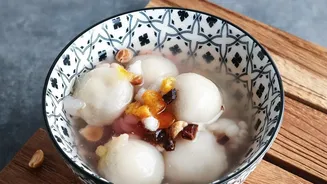
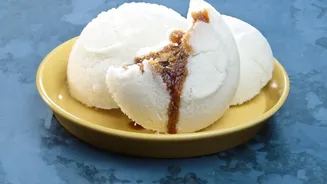
When a dessert calls for a soft, bouncy, or chewy quality, glutinous rice flour is the star ingredient. This flour has a high starch content, specifically amylopectin, which gives it a unique elastic and sticky quality when cooked. Think of the delightful chewiness of Japanese mochi, which is made from a glutinous rice flour dough, often filled with sweet red bean paste or ice cream. This same textural magic is at play in many other Asian sweets. In India, steamed dumplings like modak get their tender bite from rice flour. In Kerala, the traditional sweet Ela Ada involves rice flour pockets stuffed with coconut and jaggery, steamed in banana leaves to create a soft, soulful delicacy. Similarly, Malaysian kuih pastries are celebrated for their soft, layered, and chewy textures, often achieved with a blend of rice and glutinous rice flours.
Achieving a Light and Crispy Finish
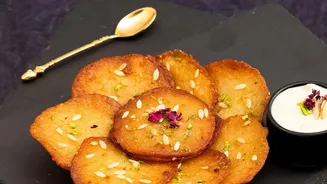
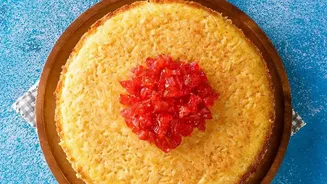
On the other end of the texture spectrum, regular white rice flour is excellent for creating a light, crisp, or crumbly finish. Because it lacks gluten, it does not develop the chewy, elastic structure that wheat flour does. Instead, it lends a sandy, short quality to baked goods, resulting in a delicate snap. This makes it perfect for shortbread and certain types of cookies, where a melt-in-your-mouth crispness is desired. Rice flour is also a popular coating for fried items because it absorbs less oil than wheat flour, creating a lighter, crunchier exterior. Think of crispy fritters like rice flour pakodas or the light batter on Korean-style hot dogs, which get their satisfying crunch from this versatile ingredient.
Bringing Rice Flour into Your Kitchen
Incorporating rice flour into your baking is straightforward. As a naturally gluten-free flour, it's a fantastic alternative for those with gluten sensitivities. For beginners, a good starting point is to use recipes specifically designed for rice flour. You can also try replacing a portion of the wheat flour in a standard recipe to see how it alters the texture. Besides baking, rice flour is an excellent thickening agent for puddings, sauces, and gravies, lending a smooth, creamy consistency without any floury aftertaste. When making a classic Indian pudding like phirni, for instance, rice flour creates a melt-in-your-mouth, custard-like texture. Whether you're aiming for the chewy perfection of a mochi-inspired dessert or the delicate crisp of a shortbread cookie, having a bag of rice flour in your pantry opens up a new world of textural possibilities.