





A Look Back at the Original Deal
The Joint Comprehensive Plan of Action (JCPOA), signed in 2015, was a landmark agreement between Iran and the P5+1 group of world powers (the US, UK, France, China, Russia, and Germany). The premise was simple: Iran agreed to significantly limit its nuclear
program and allow extensive international inspections to ensure its activities remained peaceful. In return, crippling international economic sanctions against it were lifted. This unlocked tens of billions of dollars in frozen assets and allowed Iran to re-enter global markets, particularly for its oil. For years, international inspectors verified that Iran was upholding its end of the bargain.
Why the Agreement Fell Apart
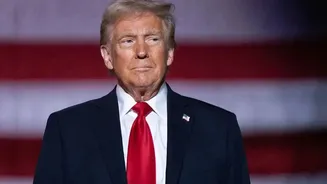
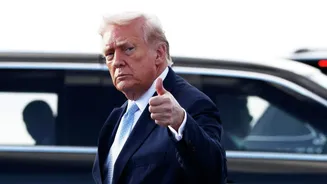
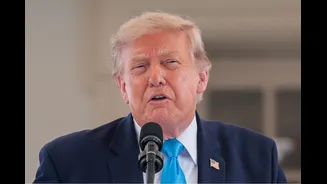
In 2018, the United States unilaterally withdrew from the JCPOA under the Trump administration, calling it a 'terrible' deal. Washington then re-imposed its sanctions and launched a 'maximum pressure' campaign to force Iran into negotiating a more restrictive agreement. The other signatories tried to keep the deal alive, but the US sanctions effectively cut off Iran's economy from the world. In response, starting in 2019, Iran began to progressively breach the limits set by the JCPOA. It increased its uranium enrichment to higher purities and grew its stockpile far beyond what the deal allowed, significantly shortening the time it would need to theoretically produce a nuclear weapon.
Washington's Current Position
The US position is that before it provides comprehensive sanctions relief, Iran must first return to full compliance with the original terms of the JCPOA. This means dismantling advanced centrifuges, shipping out its stockpile of enriched uranium, and providing full transparency to inspectors from the International Atomic Energy Agency (IAEA). Washington also wants to address broader concerns not covered in the original deal, such as Iran's ballistic missile program and its regional influence, though these are sometimes treated as separate issues. The core argument is one of verification: the US wants to see concrete, irreversible nuclear rollback before it gives up its most powerful economic leverage.
Tehran's Unwavering Demands
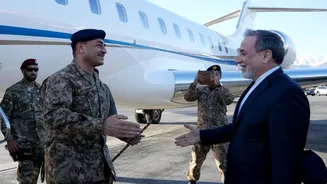
Iran's stance is the mirror opposite. Tehran argues that since the United States was the party that withdrew from the agreement first, it must be the one to take the initial step. Iran demands the complete and verifiable lifting of all sanctions imposed after the 2018 withdrawal. Only after it can confirm that economic benefits are flowing—for example, by being able to sell its oil and access the international banking system—will it reverse its nuclear advancements. Furthermore, Tehran is seeking guarantees that a future American administration will not be able to easily abandon the deal again, a promise the US political system makes difficult to deliver.
The Trust Deficit at the Core
This 'who goes first' problem is not merely procedural; it is a direct result of a profound lack of trust. Iran does not believe the US will lift sanctions in a meaningful way after it gives up its nuclear leverage. Having been burned once, Iranian leaders fear they will dismantle their program only to find that US sanctions remain in place under different justifications. Conversely, the US does not trust Iran to adhere to its commitments once the economic pressure is gone. Washington fears that if it lifts sanctions first, Iran will pocket the economic benefits and then refuse to fully roll back its nuclear program, leaving it closer to a nuclear weapons capability. This stalemate is a classic diplomatic dilemma where neither side is willing to take the greater perceived risk.