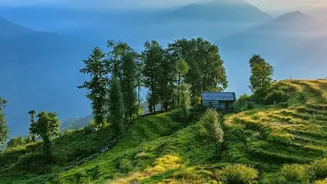





Chasing the First Dawn
The main draw for most travellers is the chance to witness India's very first sunrise. This isn't just a poetic claim; it's a geographical fact confirmed in 1999. Located at an altitude of 1,240 metres, Dong's easternmost longitude means its peaks catch
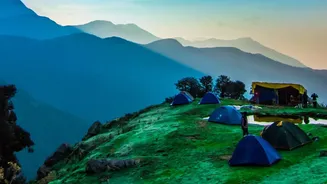
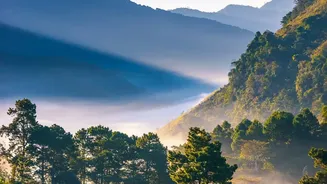
the sun before any other part of the country. The experience requires commitment: a trek that begins around 2 AM in complete darkness. Guided by local Meyor tribespeople, you'll hike for about 90 minutes up a steep, pine-forested trail. The reward is watching the sky transform from inky black to shades of orange and gold, with the first rays hitting the mountains opposite you. It’s a moment of profound stillness and beauty that has put this once-unknown valley on the map.
The Journey is the Destination
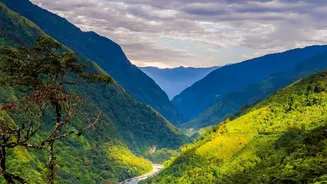
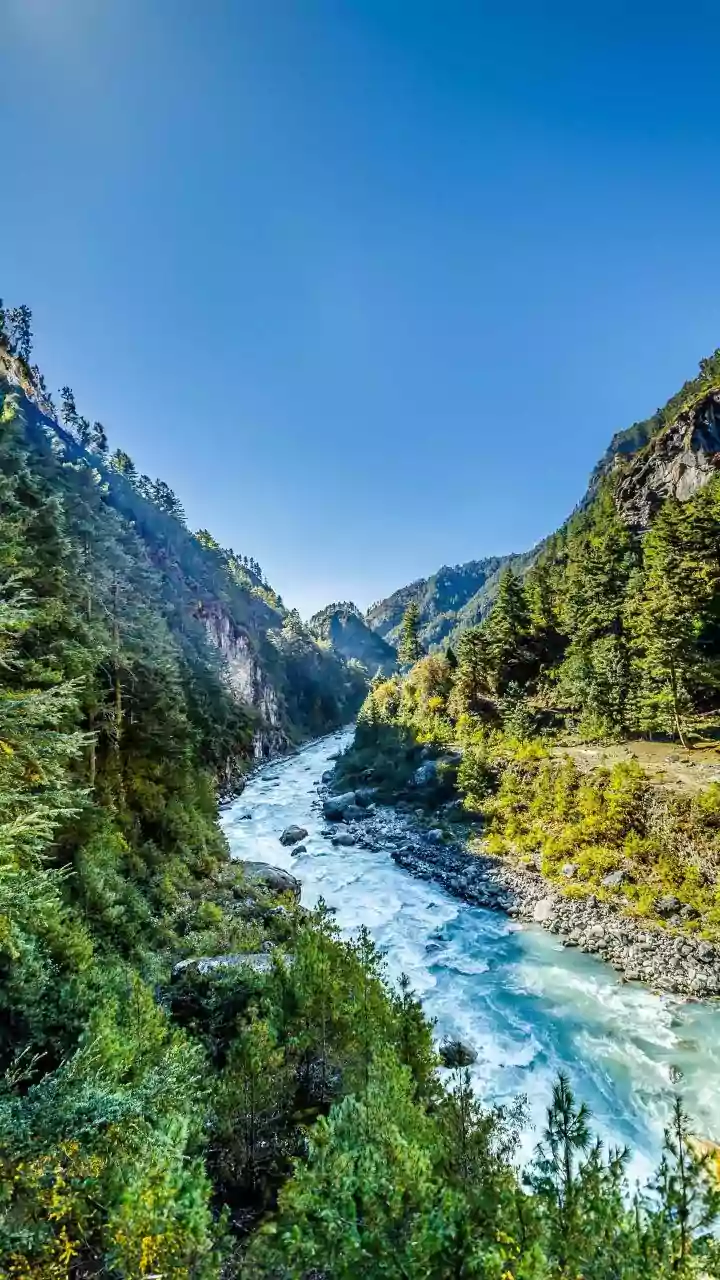
The sunrise is the climax, but the trek itself is a core part of the adventure. The 8-kilometre round trip starts from the village of Tilam, near Walong, and involves crossing a swaying suspension bridge over the Lohit River before the ascent begins. The trail is a moderately challenging climb through bamboo groves and dense pine forests, often under a canopy of stars on a clear night. Local guides are mandatory and their expertise is invaluable, not just for navigation but for the insights they share. While the trek is steep, it's manageable for anyone with a reasonable level of fitness. The pre-dawn start, the crisp mountain air, and the sounds of the forest waking up make the physical effort a memorable part of the journey.
A Glimpse into Meyor Culture
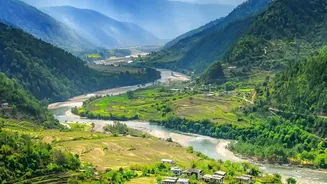
Beyond the trek, Dong Valley offers a deep cultural immersion. The area is home to the Meyor tribe, a small indigenous community with a unique way of life. Unlike many other tribes in the region, the Meyors blend their animist traditions with Mahayana Buddhism. Their villages, such as Dong, Kaho, and Walong, are characterized by traditional wooden stilt houses designed to withstand the region's climate. The Meyor people are known for their warm hospitality, and a visit here is an opportunity to learn about their agro-pastoral lifestyle, which revolves around farming maize and rice and herding yaks. Engaging respectfully with the community, perhaps by staying in a local homestay, offers a far richer experience than just passing through.
Echoes of History in the Hills
The serene landscape of the region belies a turbulent past. Walong, the main town that serves as a base for exploring Dong, was a key site during the 1962 Sino-Indian War. The Walong War Memorial stands as a solemn tribute to the soldiers who fought bravely in the battle. Visiting the memorial adds a layer of historical context to the breathtaking scenery, reminding travellers of the area's strategic importance at the tri-junction of India, China, and Myanmar. A trip to Kibithu, one of India's easternmost motorable villages, further emphasizes the frontier nature of this remote and beautiful land.
Planning Your Trip to the Edge of India
Reaching Dong Valley is an adventure in itself. The nearest major airport is in Dibrugarh, Assam, from where it's a multi-day road journey to Walong. Alternatively, limited flights are available to Tezu Airport in Arunachal, which is closer. The best time to visit is from October to April, when the weather is clearer and more pleasant. A crucial requirement for any traveller is the Inner Line Permit (ILP), a mandatory document for all non-resident Indian citizens to enter Arunachal Pradesh. This can be applied for online or at designated government offices. Given the remote location, facilities are basic. It's essential to carry warm clothing, sturdy trekking shoes, and any personal necessities, as the last major town with ATMs and full services is Tezu.