







The Rise of the Quantified Self
We track our steps, our sleep cycles, our heart rates, and our screen time. This trend, often called the 'quantified self', promises a better life through data. The idea is that by measuring everything, we can optimise our health and productivity. However,
this constant monitoring can have a downside. For some, it can lead to obsession and anxiety, turning self-care into a stressful chore. The pressure to hit daily targets can be demotivating, and focusing too much on numbers can disconnect us from simply enjoying an activity or listening to our body's natural signals. If you've ever felt that a workout 'didn't count' because your watch died, you've experienced this phenomenon.
Why Daylight Is Your Body’s Master Clock
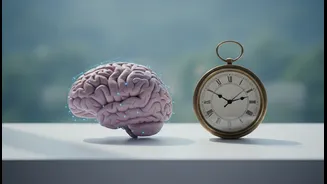
Long before we had fitness trackers, our bodies were synced to the most powerful wellness tool of all: the sun. Natural light, especially in the morning, is the primary signal that sets our body's internal 24-hour clock, known as the circadian rhythm. This internal clock governs everything from our sleep-wake cycle to our metabolism, hormone regulation, and mood. Exposing your eyes to sunlight shortly after waking tells your brain to stop producing melatonin (the sleep hormone) and kickstarts alertness for the day. This simple act helps synchronise your body, making it easier to fall asleep naturally at night.
More Than Just a Clock-Setter
The benefits of daylight extend far beyond sleep. Sunlight exposure is the main way our bodies produce Vitamin D, a crucial nutrient for bone health, immune function, and regulating blood pressure. Studies show that more than 90% of our Vitamin D comes directly from sun exposure. Furthermore, natural light can be a powerful mood booster. It's believed to help regulate the release of serotonin, a neurotransmitter that promotes feelings of well-being and emotional stability. This is why many people experience a dip in mood during darker winter months, a condition sometimes called seasonal affective disorder (SAD).
Finding the Right Amount for You
So, how much daylight do you actually need? There's no single magic number, as the ideal amount depends on your skin tone, geographic location, the season, and the time of day. However, general recommendations suggest that even 10 to 30 minutes of midday sun exposure on your skin a few times a week can be enough to boost Vitamin D levels. For circadian rhythm benefits, experts like neuroscientist Andrew Huberman suggest aiming for 5 to 10 minutes of morning sunlight within the first hour of waking. On cloudy days, you may need a bit longer. The goal isn't to hit a precise target but to make it a consistent part of your daily rhythm.
How to Track Without the Tech
The beauty of daylight is that you don't need an app to measure it. Instead of logging minutes, you can build awareness by anchoring light exposure to your existing habits. This is about feeling the sun on your skin, not adding another item to your to-do list. Try 'habit stacking': combine your morning coffee with a few minutes on a balcony or by an open window. Turn a phone call into a walking meeting outdoors. Instead of eating at your desk, take your lunch to a nearby park. The goal is to create routines where light exposure happens automatically. You can gauge your success with simple questions: Did I feel the sun today? Did I step outside during my lunch break? This approach shifts the focus from data collection to intuitive self-care.
Simple Ways to Let More Light In
Integrating more daylight into your life can be effortless. Start by opening your curtains or blinds as soon as you wake up to let as much morning light in as possible. If you work from home or in an office, position your desk near a window. Take short, five-minute breaks to step outside rather than scrolling on your phone. Even small changes, like taking the scenic route on your walk to the bus stop or choosing to sit outside at a cafe, can add up significantly over the course of a day and week. These aren't chores to be tracked, but small moments of connection with the world outside.