





The Modern Guide's Secret Tool
Imagine showing up for a guided kayaking trip, excited for a day on the water. Before you launch, the guide asks everyone to demonstrate a few basic skills right near the shore. This isn't a test you can fail; it’s a pre-trip skills check, and it's the mark
of a professional, safety-conscious outfitter. For years, operators relied on questionnaires and a bit of hope. But experience levels can be subjective. What one person considers 'intermediate' might be another's 'expert'. An honest, on-water assessment allows guides to see, not just hear about, a paddler's ability. This brief, informal check helps them understand the group's dynamics, anticipate challenges, and make sure the planned route is a good fit for everyone's comfort and safety. Think of it less as a final exam and more as a team huddle before the big game.
What to Expect During a Skills Check
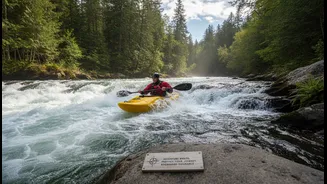
A skills check is usually a quick and friendly process conducted in a calm, protected water environment. It's not designed to intimidate. A guide might start by asking about your paddling history while observing how you get into your kayak and adjust your gear. Then, they will likely ask you to perform a few fundamental manoeuvres. This could include paddling forward in a straight line, stopping effectively, turning the boat, and moving it sideways. One of the most common and important assessments is the 'wet exit'—demonstrating you can calmly exit the kayak if it capsizes. For more advanced trips, especially in coastal or river environments, the assessment might include how you handle small waves or work with currents. The tone is typically supportive and focused on ensuring a safe and enjoyable day for all participants.
Key Skills Under the Microscope
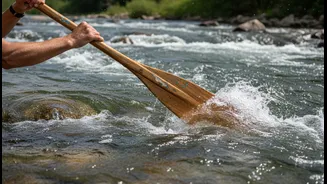
Operators aren't looking for paddling perfection, but they are looking for a baseline of competence that matches the intended trip. Key skills often include efficient forward and reverse strokes, the ability to turn using sweep strokes, and demonstrating balance and control. A crucial skill is self-rescue or assisted rescue. Can you get back into your boat if you capsize, either on your own or with help from a fellow paddler? This is a fundamental safety requirement. The guide is evaluating your comfort and confidence on the water. Your ability to perform these actions shows that you can manage your own craft, won't tire easily from an inefficient stroke, and can be an active participant in your own safety, which benefits the entire group.
The Benefits of a Well-Matched Group
The ultimate goal of a skills check is to create a more harmonious and enjoyable experience for everyone. When paddlers in a group have comparable skills and stamina, the dynamic of the trip improves dramatically. Advanced paddlers aren't left feeling bored or held back, and novice paddlers aren't stressed, exhausted, or put in a potentially unsafe situation trying to keep up. This allows the guide to set a pace that works for everyone and choose a route that is appropriately challenging and fun. It also fosters a better social environment. Instead of feeling like a mismatched collection of individuals, the group can move together, share the experience, and build camaraderie, knowing that everyone is operating within their comfort zone.
How to Prepare for Your Next Adventure
When booking a trip, be honest about your abilities on any pre-trip questionnaires. If you're unsure about your skill level, consider taking a local class from a certified instructor to brush up on basics like wet exits and assisted rescues before you go. Before you book, ask the tour operator about their process. Do they perform an assessment? What skills do they expect for the trip you’re interested in? A good outfitter will be happy to answer these questions. Viewing a skills check as a positive part of the adventure process ensures you are matched with the right trip. It’s an opportunity to confirm your own abilities and embark on an adventure that’s perfectly suited to you, leading to a much more rewarding time on the water.