



What Exactly Are Naphthalene Balls?
Naphthalene balls, often called mothballs, are small spheres made of chemical pesticides. The primary ingredient is typically either naphthalene or paradichlorobenzene. These solids work through a process called sublimation, where they turn directly into
a gas. This toxic vapour builds up in a sealed environment, killing clothes moth larvae and other fabric-eating insects. It's this gas that gives them their pungent, pervasive smell. While effective as a fumigant, it's crucial to understand that their smell is not just a scent; it's the presence of airborne pesticide. If you can smell them, you are inhaling these chemicals.
The Health Risks You Can't Ignore
The convenience of naphthalene balls comes with significant health warnings. Both naphthalene and paradichlorobenzene are toxic to humans and pets. Exposure, primarily through inhalation, can cause headaches, dizziness, nausea, and irritation to the eyes and nose. More severe reactions can occur, especially with high exposure or accidental ingestion. Naphthalene can cause a condition called hemolytic anemia, where red blood cells are damaged. This risk is particularly high for young children and individuals with a genetic condition known as G6PD deficiency. In fact, even wearing clothes stored with mothballs without washing them first has caused anemia in infants. The International Agency for Research on Cancer (IARC) classifies naphthalene as possibly carcinogenic to humans.
Correcting the 'Ventilation' Myth
A common and dangerous misconception is using naphthalene balls to improve ventilation or placing them in open closets. The headline's suggestion of using them for 'better ventilation' is counterintuitive to how they work. Naphthalene balls are effective only when their toxic fumes are concentrated in a sealed, airtight container. Using them in an open or ventilated area is not only ineffective at killing pests but also dangerous. It allows the harmful chemical vapours to spread throughout your living space, contaminating the air you and your family breathe. These fumes are heavier than air and can accumulate near floors, posing a specific risk to small children and pets.
If You Must Use Them: A Strict Safety Guide
If you still choose to use naphthalene balls, it is essential to follow safety protocols strictly. Only use them for protecting clothing from pests inside tightly closed containers where the fumes cannot escape. Never place them openly in closets, attics, drawers, or any living area. Keep these containers far out of reach of children and pets, who might mistake the white balls for candy. After storage, it is mandatory to wash any clothing that has been stored with naphthalene balls before wearing it to remove the chemical residue.
Smarter, Safer Alternatives for 2026
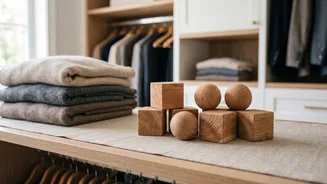
Fortunately, there are many effective and non-toxic ways to protect your belongings. The foundation of moth prevention is cleanliness; always wash or dry-clean items before long-term storage to remove any moth eggs or larvae. Airtight containers or vacuum-sealed bags are excellent for creating a physical barrier. For natural repellents, cedar is a fantastic choice. The aromatic oils in cedarwood naturally deter moths. Cedar is available in blocks, chips, and sachets that can be placed in drawers and closets. Another pleasant and effective alternative is lavender. Dried lavender sachets not only repel moths but also leave your clothes with a lovely fragrance. Other kitchen staples like cloves, rosemary, and thyme can also be bundled into sachets to keep pests at bay.