








The Three Main Dust Hotspots
You can clean your home meticulously, but some areas will always get dusty faster than others. The main culprits are almost always the same: the high-traffic zones near entryways, the areas around open windows, and the surfaces of your fabric furniture.
This isn't a coincidence or a sign of poor cleaning; it's a result of basic physics, airflow, and the materials in your home. Understanding why these three areas are magnets for dust is the first step toward managing it more effectively. Instead of constantly battling the same spots, you can adjust your strategy to address the root causes and keep your home looking and feeling fresher for longer.
Entryways: The Dust Superhighways
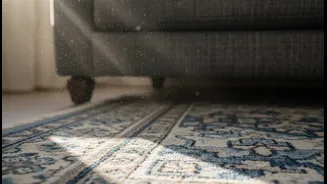
Every time you open an exterior door, you create a change in air pressure that pulls outside air—and everything in it—into your home. This includes pollen, soil particles, and other outdoor debris. Foot traffic is another major factor. As people walk in, they not only track dirt directly onto floors but also stir up settled particles into the air. These airborne particles then circulate and settle on the nearest surfaces, which are typically just inside the doorway. Even the simple act of walking through a room kicks dust into the air, pushing it toward the edges of the room, often along walls and near doors. To combat this, a high-quality doormat at every entrance is non-negotiable for trapping debris before it gets inside. Regularly sweeping or vacuuming these high-traffic entry zones will also make a significant difference.
Open Windows: An Invitation for Particles
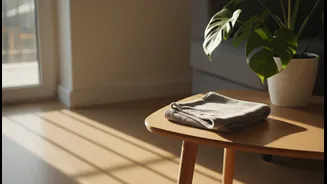
Fresh air is great, but an open window is also a direct entry point for airborne dust. Even with screens, fine particles like pollen, pollution, and microscopic dust can easily drift inside. Air currents naturally move toward windows, and as the air slows down near the glass, it loses its ability to hold onto the particles it's carrying, causing them to drop and settle on the sill and floor below. Furthermore, glass can build up a static charge, especially in dry conditions, which actively pulls dust particles from the air and makes them cling to the window area. This explains why window sills often seem to have a permanent layer of grime. If you live in an area with high pollen or pollution, consider keeping windows closed on certain days or using an air purifier nearby to capture particles before they settle.
Fabric Furniture: The Cozy Dust Traps
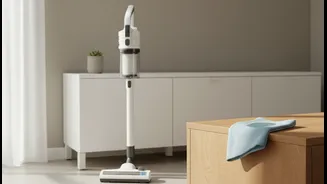
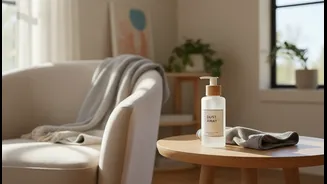
Your comfortable sofa and plush armchairs are some of the biggest dust reservoirs in your home. Unlike hard surfaces where dust sits on top, the woven fibers of upholstery are designed to be soft and absorbent, which also makes them incredibly effective at trapping particles. Synthetic fabrics like polyester are particularly prone to building up static electricity, which turns your furniture into a magnet for airborne dust. Every time you sit down or shift a cushion, you push dust, dead skin cells, and other debris deeper into the fabric, making it difficult to remove with a simple wipe-down. These particles then act as a food source for microscopic dust mites, which can become an issue for those with allergies. Regular vacuuming of upholstery using a brush attachment is crucial for pulling out this embedded debris and keeping your furniture from becoming a hidden dust factory.
A Smarter Approach to Dusting
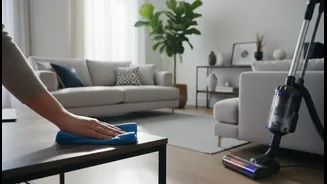
Since these hotspots are unavoidable, the key is to clean smarter, not just harder. Focus your efforts where they matter most. Use a damp microfiber cloth for dusting, as it traps particles instead of just pushing them around. For entryways, consider a “no shoes in the house” policy to drastically cut down on tracked-in dirt. For windows, wipe down sills and frames weekly as part of your routine. When it comes to fabric furniture, regular vacuuming can prevent deep buildup. By understanding that dust accumulation is driven by airflow and material science, you can move from a reactive cleaning cycle to a proactive strategy that keeps your entire home cleaner for much longer.