






The Hidden Dangers in Your Paneer
The soft, fresh paneer you plan to buy could be hiding a dangerous secret. To cut costs and increase volume, some producers adulterate paneer with substances that pose significant health risks. Common adulterants include starch, flour, and palm oil, which
reduce its nutritional value. More alarmingly, some use synthetic milk made from a toxic mix of detergent, caustic soda, and urea. These chemicals are not meant for human consumption and can lead to digestive disorders, vomiting, and skin reactions in the short term. Over time, regular consumption of such contaminated products can cause severe long-term damage to vital organs like the liver and kidneys, disrupt hormonal functions, and even increase the risk of cancer.
Your First Line of Defence: The Packaging
The most crucial information about your paneer is printed right on the label. Always buy packaged paneer over loose varieties, as it is subject to stricter regulations. The first thing to look for is the FSSAI logo and the 14-digit licence number. This indicates the manufacturer is registered with the Food Safety and Standards Authority of India and is meant to adhere to its safety and hygiene standards. Also, check the 'Date of Manufacture' and 'Best Before' or 'Expiry Date'. Paneer is highly perishable, and consuming it past its prime can lead to foodborne illnesses, even if it is unadulterated.
Decoding and Verifying the FSSAI Licence
An FSSAI licence is more than just a number; it's a mark of accountability. Every registered food business operator is given a unique 14-digit licence number. You can verify its authenticity to ensure the brand is legitimate. To do this, visit the FSSAI’s official FoSCoS (Food Safety Compliance System) website. You'll find a search tool, often labelled 'FBO Search' or similar, where you can enter the 14-digit licence number from the paneer package. The portal will display the company’s name, address, and the validity of the licence. If the details don't match the packaging or if the licence has expired, it is best to avoid the product.
The Rise of 'Analogue' Paneer
In a move to protect consumers from misleading labels, the FSSAI has recently proposed new draft regulations. These rules aim to restrict the use of the term 'paneer' for products that are not made from milk. These 'analogue' products, often made from vegetable oil, starch, and other non-dairy substitutes, look like paneer but lack its nutritional profile. The proposed amendment would require manufacturers of such products to stop using the word 'paneer' on their packaging and marketing materials. This change will help ensure that when you buy paneer, you are getting the real, milk-based product you expect.
Simple Tests You Can Do at Home
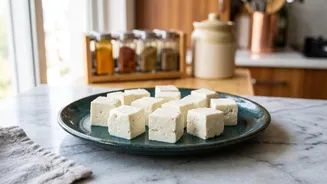
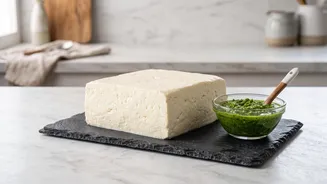
If you are still unsure about the quality of your paneer after purchase, there are a few simple tests you can perform at home. To check for starch, boil a small piece of paneer in water, let it cool, and add a few drops of iodine solution. If the paneer turns blue or black, it confirms the presence of starch. You can also check the texture; real paneer should be soft and crumble easily. If it feels rubbery, hard, or overly firm, it may be adulterated. Another simple method is the hot water test: place a cube of paneer in warm water for a few minutes. If it's adulterated, it may release excess water or shrink significantly.