

More Than Just Staples
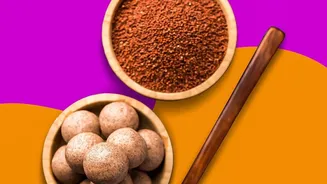
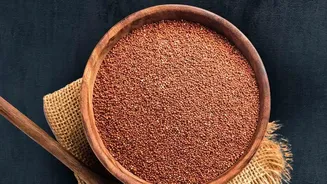
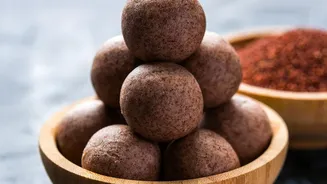
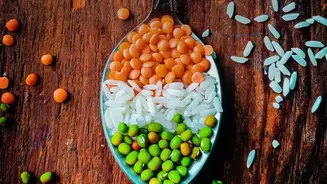
For millennia, India’s kitchens were not dominated by just polished white rice and wheat. They were filled with a diverse array of cereals like ragi (finger millet), jowar (sorghum), and bajra (pearl millet), which fed millions across different regions
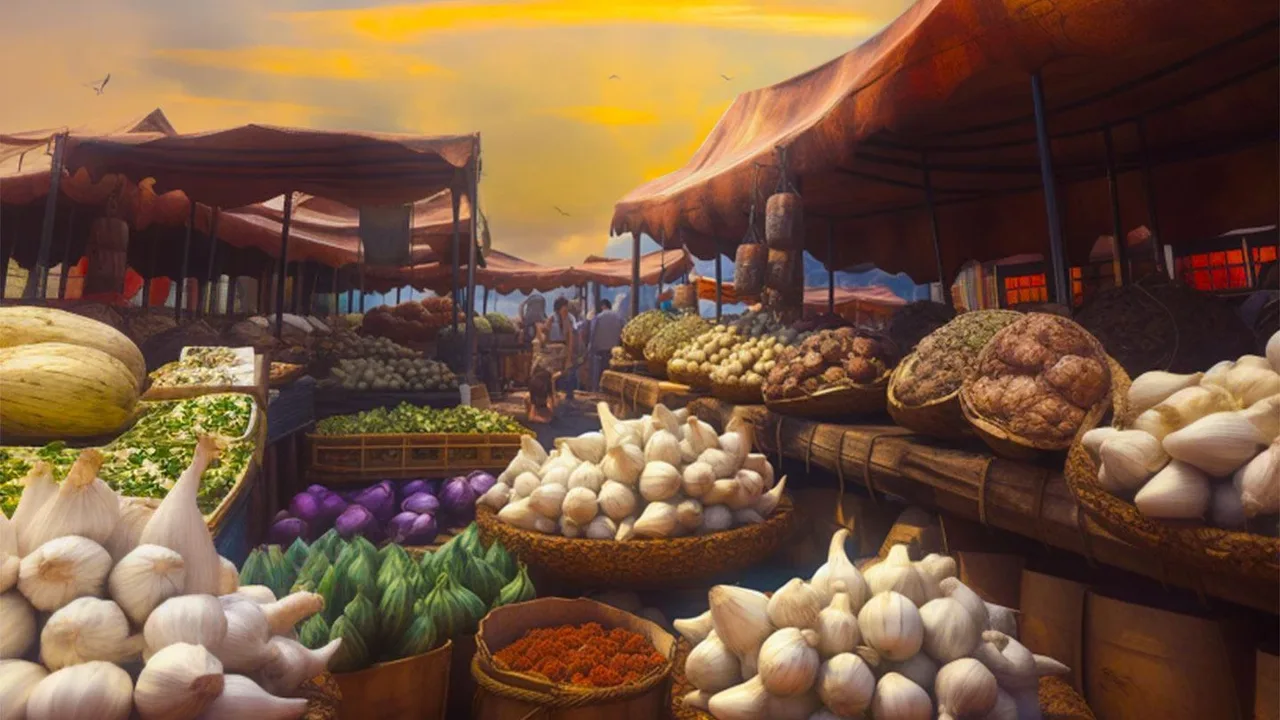
and seasons. These grains weren't seen as special; they were simply the foundation of everyday meals, their use dictated by the soil and climate. In the arid lands of Rajasthan, hardy bajra became a staple, while in the rainfed areas of Karnataka, ragi formed the basis of regional food culture. A local market, therefore, isn’t just a place to buy commodities. It’s a physical map of what a region’s land has historically offered and what its people have traditionally eaten.
A Library of Living History
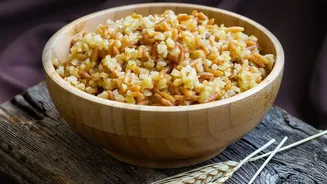
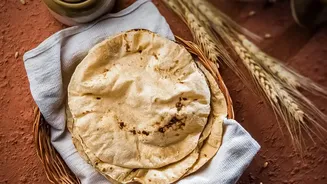
Each grain tells a story. Heirloom varieties, passed down through generations of farmers, represent a treasure of genetic diversity and cultural significance. Think of Khapli wheat, an ancient grain with a nutty taste that creates wholesome, rustic rotis, or the many varieties of indigenous rice that are tied to specific places. These are not just ingredients but living artifacts of our agricultural heritage. However, this diversity has been under threat. Following the Green Revolution, the push for high-yielding varieties of wheat and rice, while crucial for food security, led to a decline in the cultivation of traditional grains. Many millets and heirloom rice varieties were gradually replaced, and the recipes that used them began to fade from memory. When you see these older grains for sale in a local market, you are witnessing an act of preservation—a link to a food system that was once far more diverse.
The Flavours of Tradition and Festivals
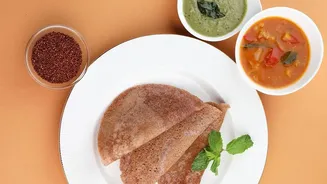
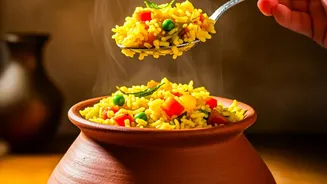
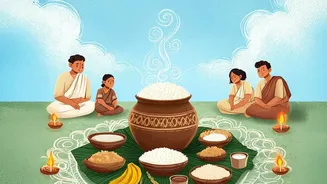
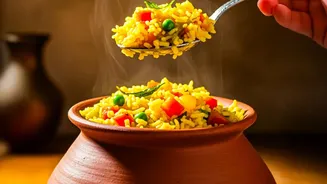
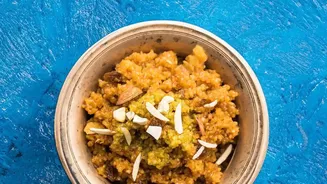
The connection between grains and culture is most vibrant during festivals. Across India, harvest festivals are timed to the ripening of a region's specific staple grain. Punjab’s Baisakhi celebrates the spring wheat harvest, while Pongal in Tamil Nadu marks the readiness of the rice crop. Specific grains are also central to religious rituals and festive foods. Unbroken rice grains, or 'akshata', are used in Hindu ceremonies as a symbol of prosperity. During fasts like Navratri, preparations made from amaranth (rajgira), buckwheat (kuttu), and certain millets are permitted foods. Millets were traditionally part of special occasion meals, valued for their connection to ancestral practices. The dishes prepared—be it ragi mudde in Karnataka, jowar bhakri in Maharashtra, or bajra khichdi in winter—are not just recipes but cultural expressions rooted in the local landscape.
The Market as a Lifeline
Local markets, or mandis, are the primary spaces where farmers can sell these traditional grains, creating an economic stake in their conservation. For many smallholder farmers, cultivating resilient, low-water crops like millets is a smart adaptation to climate change. These markets provide a crucial link between these farmers and consumers who are increasingly seeking out nutritious, traditional foods. The renewed interest in millets and other ancient grains, bolstered by initiatives like the International Year of Millets, has helped bring these forgotten foods back into the mainstream conversation. When you choose to buy these grains from a local vendor, you are not just making a healthy choice; you are supporting the livelihoods of farmers who act as custodians of our agrobiodiversity and keeping a piece of our collective food history alive.