

The Secret to the Chew
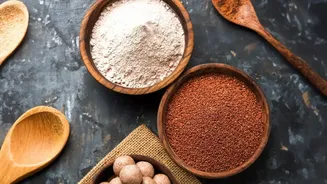
The star of this recipe is sweet rice flour, also known as glutinous rice flour or mochiko. Despite the name 'glutinous', it is entirely gluten-free. The term refers to the glue-like, sticky consistency the flour develops when cooked, which is why it's
the foundation of Japanese mochi. This unique property comes from its starch composition. Unlike regular rice flour, which is made from medium or long-grain rice, sweet rice flour is milled from short-grain 'sticky' rice. This specific variety is almost entirely made of a waxy starch called amylopectin, which is what gives these pancakes their signature soft, springy, and delightfully chewy texture that sets them apart from any fluffy buttermilk stack you've had before.
A Batter of Beautiful Simplicity
One of the greatest appeals of this recipe is its straightforwardness. You don’t need a long list of specialty ingredients or complicated techniques. The magic is in the flour itself. Because sweet rice flour absorbs liquid so well and has such powerful binding properties, the batter comes together effortlessly. A few pantry staples—eggs, milk, a touch of sugar, and a pinch of salt—are all you need to support the flour and create a smooth, pourable batter. This minimalist approach allows the subtly sweet, almost milky flavour of the rice flour to shine through, creating a pancake that is delicious in its own right, even before toppings are added.
A Simple Recipe for Sweet Rice-Flour Pancakes
This recipe is designed for ease and produces thin, crepe-like pancakes with an irresistible chew. For a batch that serves two to four people, you will need: Ingredients: - 2 cups sweet rice flour (also sold as glutinous rice flour or Mochiko) - 2 large eggs - 2 cups of whole milk (or a plant-based alternative) - 3 tablespoons of melted butter or neutral oil, plus more for the pan - 2 tablespoons of sugar - ½ teaspoon of salt - 1 teaspoon of vanilla extract (optional) Instructions: 1. In a medium mixing bowl, whisk the eggs lightly. Add the milk, melted butter, sugar, salt, and vanilla, and whisk until everything is well combined. 2. Gradually add the sweet rice flour to the wet ingredients, whisking continuously to form a smooth, lump-free batter. The consistency should be thin and pourable, similar to a crepe batter. 3. Let the batter rest for at least 10-15 minutes. This allows the flour to fully hydrate, which is key to achieving the perfect texture.
Cooking for the Perfect Texture
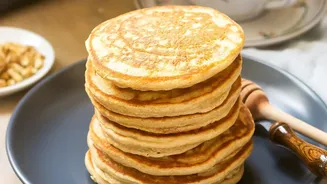
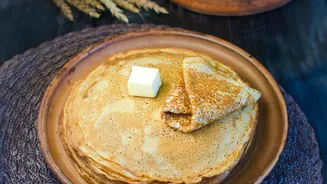
Cooking these pancakes is slightly different from their fluffy counterparts. The goal is a golden-brown exterior and a fully cooked, chewy interior. 1. Heat a non-stick skillet or crepe pan over medium heat. A lower, gentler heat is better, as it allows the pancake to cook through without burning. 2. Lightly grease the pan with a small amount of butter or oil. 3. Pour about ¼ cup of batter into the centre of the pan, then immediately tilt and swirl the pan to spread the batter into a thin, even circle. 4. Cook for 2-3 minutes per side. You'll know it's time to flip when the edges look set and bubbles begin to form on the surface. The pancake should be a pale golden-brown. 5. Flip carefully and cook the other side for another 1-2 minutes until it's also golden. 6. Repeat with the remaining batter, stacking the cooked pancakes on a plate. The texture will be soft, pliable, and wonderfully chewy.
Serving and Topping Ideas
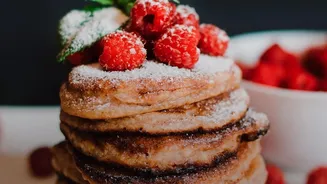
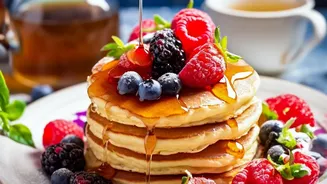
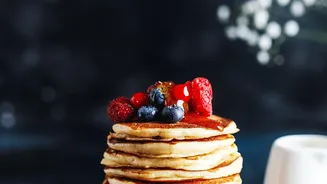
While delicious on their own, these pancakes are a perfect canvas for a variety of toppings. Their delicate sweetness and unique texture pair well with both simple and decadent additions. For a classic approach, serve them with a simple dusting of powdered sugar or a drizzle of pure maple syrup. Fresh fruit, such as sliced bananas, ripe berries, or sweet peaches, provides a lovely contrast. You can also lean into their Asian origins with toppings like a drizzle of honey, toasted sesame seeds, or a scoop of red bean paste. For a richer dessert, try them with a dollop of whipped cream and a sprinkle of cinnamon or a spoonful of Nutella.