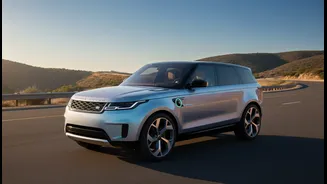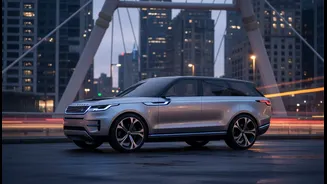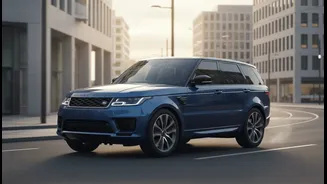



A New Benchmark in Electric Luxury
The forthcoming Range Rover Electric is poised to be a monumental release for the storied British brand. It represents not just a new powertrain, but a redefinition of what a no-compromise luxury vehicle can be in the electric age. While Land Rover has
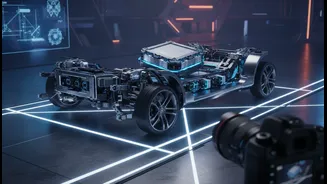
offered capable plug-in hybrids, this is its first foray into a fully battery-electric vehicle (BEV), built on its flexible MLA-Flex platform. This architecture was designed from the outset to accommodate electric, hybrid, and combustion engines, ensuring that the electric version retains the core DNA of a Range Rover—unflappable composure, supreme comfort, and formidable off-road capability. The company is promising its quietest, most refined Range Rover ever, a high bar for a brand already synonymous with serene travel.
The Power Plant: A Massive Battery
At the heart of this promise is what is expected to be Land Rover's biggest battery to date. Credible reports point to a large battery pack, around 118 kWh, which is substantial even in the world of large EVs. This massive energy reservoir is the foundation for the vehicle's targeted range, which is crucial for a vehicle of this size and weight. While official figures are still pending, estimates hover around 500-530 km. Critics have noted that this may seem modest compared to some rivals who extract more range from smaller batteries, but Land Rover's focus appears to be on delivering consistent, real-world performance that owners can depend on, even in extreme temperatures. The battery and motors will be assembled in-house at JLR's new manufacturing centre, a first for the company.
The Game-Changer: 800-Volt Charging
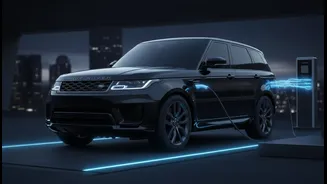
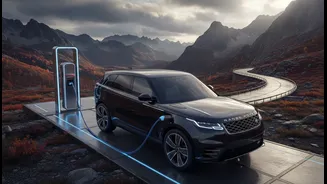
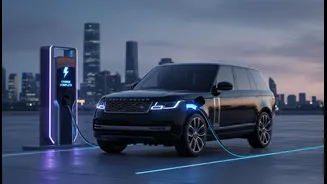
A big battery is only practical if it can be refilled quickly. This is where the Range Rover Electric’s most significant technological leap lies: its 800-volt electrical architecture. This system, double the voltage of many current EVs, allows for dramatically faster charging speeds. By enabling higher power transfer with less electrical current, it reduces heat, improves efficiency, and allows the vehicle to accept power at a much faster rate. Land Rover is targeting a maximum charge rate of up to 350 kW. In practical terms, this means that on a compatible public fast charger, the vehicle could replenish its battery from 10% to 80% in as little as 20 minutes. This kind of speed transforms the experience of long-distance travel, turning a lengthy stopover into a quick coffee break and fundamentally solving one of the biggest pain points of EV ownership.
Real-World Practicality for India
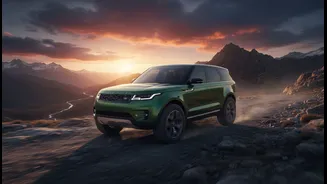
For the discerning Indian customer, this combination of long range and ultra-fast charging holds immense appeal. The luxury EV market in India is growing rapidly, with demand for high-end electric cars and SUVs surging over 60% in the last fiscal year. A vehicle like the electric Range Rover, with its ability to handle long inter-city highway journeys between Mumbai, Pune, and beyond without lengthy charging stops, becomes a far more viable proposition. The robust engineering, including a battery casing strong enough to withstand extreme off-road conditions and wading through 850mm of water, also adds a layer of confidence perfectly suited to varied Indian terrains. This go-anywhere capability, now paired with emissions-free driving and rapid refuelling, aligns perfectly with the desires of the modern luxury buyer.
Facing a Competitive Field
Land Rover isn't entering an empty arena. The luxury electric SUV segment is becoming fiercely competitive. Established players and upcoming models from German rivals like the BMW iX, Mercedes-Benz EQS SUV, and the future Porsche Cayenne Electric are setting high benchmarks for range, performance, and in-car technology. The electric Range Rover will need to deliver on all its promises to stand out. Its trump card, however, remains its unique blend of iconic design, unparalleled off-road heritage, and now, a state-of-the-art electric powertrain. The success of its charging technology will be a critical factor in convincing buyers that this legendary SUV is ready for an electric future.