






The Wellness Label Trap
Food packaging is often filled with appealing buzzwords designed to catch your eye. Terms like “all-natural,” “organic,” “zero maida,” and “healthy” can create a misleading “health halo” around a product. In India, the Food Safety and Standards Authority
of India (FSSAI) has flagged numerous brands for making such claims, which can create a false impression of a product's benefits. For example, a snack might be advertised as “baked, not fried,” but a closer look at the nutrition panel could reveal high levels of sodium or refined carbohydrates. These labels are often marketing tools rather than reliable indicators of nutritional value, leading to consumer confusion.
The Power of Protein
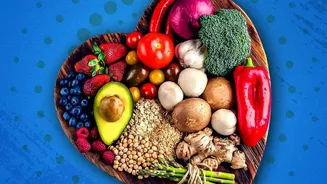
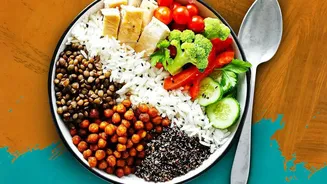
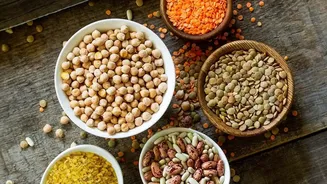
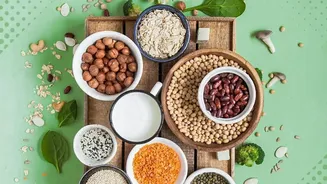
Instead of getting lost in labels, a better strategy is to focus on tangible nutrients. Protein is a great place to start. As a building block for bones, muscles, and skin, it's essential for repairing tissues and keeping your body running smoothly. More importantly for daily life, protein helps you feel full and satisfied for longer. Including protein in your meals can reduce hunger between meals and help manage weight. A well-stocked pantry should include versatile protein sources like canned or dried beans, chickpeas, and lentils. Canned fish like tuna and salmon are also excellent, offering lean protein and healthy omega-3 fatty acids. Nuts and seeds are perfect for snacking or adding a protein boost to any dish.
Why Fibre is Your Friend
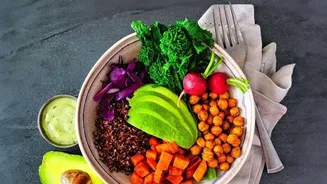
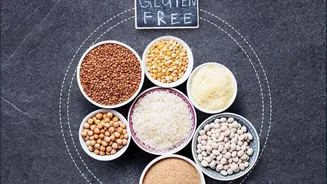
The perfect partner to protein is fibre. Found in plant-based foods, fibre is crucial for digestive health and preventing issues like constipation. It works together with protein to slow down digestion, which helps regulate blood sugar and extends the feeling of fullness. This power duo of protein and fibre is key to creating satisfying meals that prevent overeating. To ensure your pantry is fibre-rich, stock up on whole grains like quinoa, brown rice, oats, and whole-wheat pasta. Legumes like beans and lentils are fantastic sources of both fibre and protein. Frozen and low-sodium canned vegetables are also convenient ways to add a quick fibre boost to soups, stews, and stir-fries.
Don't Forget Flavour
A healthy diet is only sustainable if you actually enjoy what you're eating. This is where flavour comes in. Taste is the single most impactful factor that influences our food choices. If a meal is bland and unsatisfying, you're less likely to stick with that eating pattern long-term. Prioritizing flavour can enhance the palatability of nutrient-dense foods and make healthy eating a genuinely enjoyable experience. A pantry stocked with spices, herbs, vinegars, and other seasonings is essential. These items add depth and excitement to your meals without adding significant calories. By making your food delicious, you create a positive relationship with eating that fosters healthy habits.
The Key Qualification: Context Is Everything
Here is the crucial qualification: focusing on protein, fibre, and flavour is a brilliant strategy, but it doesn't work in isolation. The overall context of your diet is what truly matters. This context is primarily defined by portion control. Research consistently shows that people tend to eat more when served larger portions, which can override the body's natural energy regulation. A pantry full of healthy ingredients can still lead to an unhealthy diet if portion sizes are too large. Building a balanced plate is key. Aim to fill half your plate with vegetables, a quarter with a lean protein source, and a quarter with whole grains. It's about being mindful of not just what you eat, but how much you eat.