



The Short Answer: A Qualified Yes
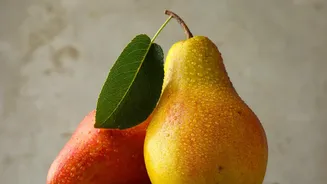
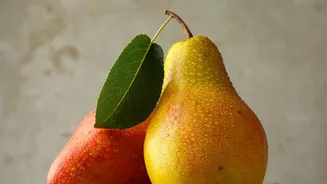
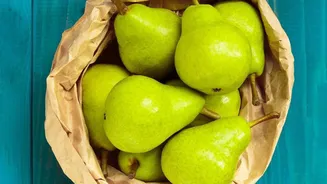
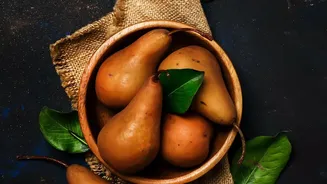
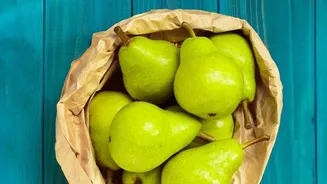
For those in a hurry, here it is: Yes, you can enjoy nashpati even if you are watching your blood sugar. The fear that all sweet-tasting fruits are off-limits is a common misconception. Pears, known as nashpati in India, pack a nutritional profile that makes
them a surprisingly friendly option for people with diabetes or anyone monitoring their glucose levels. They are not just empty calories or pure sugar; they are a whole food with components that work together to moderate their effect on your body. The key lies in understanding why this is the case and how to eat them correctly.
Understanding the Glycemic Index
To understand why nashpati is a good choice, we need to look at the Glycemic Index (GI). The GI is a scale from 0 to 100 that ranks carbohydrate-containing foods by how much they raise blood sugar levels. Foods with a high GI are digested quickly, causing a rapid spike in glucose. Low-GI foods, on the other hand, are digested more slowly, leading to a gradual and more manageable rise in blood sugar. Pears have a low GI score, typically ranging from 30 to 42, depending on ripeness. This low score means that a pear will not cause the sharp, sudden spike in blood sugar that high-GI foods like white bread or sugary drinks would.
The Superpower of Fibre
The secret to nashpati's low GI score is its impressive fibre content. A single medium-sized pear contains about 5.5 to 6 grams of dietary fibre. This fibre, particularly the soluble kind called pectin, forms a gel-like substance in your digestive tract. This process slows down the digestion and absorption of carbohydrates and sugar. Think of it as a natural braking system for sugar entering your bloodstream. This slow release is crucial for preventing glucose spikes and helps in maintaining steady energy levels. Because fibre isn't digested by the body, it doesn't raise blood sugar levels at all, making high-fibre foods an excellent choice.
Beyond GI: Why Glycemic Load Matters
While the Glycemic Index is helpful, the Glycemic Load (GL) gives a more complete picture. GL takes into account both the GI of a food and the amount of carbohydrates in a typical serving. It tells you how much a specific portion of food will actually raise your blood sugar. Even a high-GI food might have a low GL if you eat a tiny amount. For nashpati, the news is even better. Because a single pear has a reasonable amount of carbs combined with its low GI, its Glycemic Load is very low. This makes a single pear an appropriate serving size that is unlikely to cause any trouble for your blood sugar management.
How You Eat It Matters Most
This brings us to the most important part of the headline: context. Focusing on a single food is less important than your overall dietary pattern. To get the benefits of nashpati without any drawbacks, context is key. Always eat the fruit whole, with its skin. The skin contains a significant amount of the fruit's total fibre and antioxidants. Avoid pear juice, which strips away the beneficial fibre and concentrates the sugar, leading to a much faster blood sugar response. Furthermore, consider pairing your nashpati with a source of protein or healthy fat, like a handful of nuts or a spoonful of yogurt. This combination further slows digestion and helps stabilise blood sugar levels even more effectively.
Practical Tips for Enjoying Nashpati
Incorporating nashpati into a healthy diet is simple. Stick to a portion size of one medium-sized fruit at a time. Enjoy it as a standalone snack between meals rather than as a dessert after a large, carb-heavy dinner. This timing helps your body process the sugar more efficiently without being overloaded. Choosing a slightly less ripe pear can also be beneficial, as the sugar content increases as the fruit ripens. By eating it whole, minding your portion size, and considering the timing, you can confidently make this delicious fruit a regular part of your diet.