



The Invisible Ripener in Your Kitchen
The secret agent at work is a completely natural, odourless, and invisible gas called ethylene. Many fruits produce ethylene as a plant hormone that regulates their growth and, most importantly, their ripening process. Think of it as a chemical signal
that tells the fruit it is time to get softer, change colour, and become sweeter. This process is perfectly normal and part of a fruit's life cycle. However, when high-ethylene producers are stored next to produce that is sensitive to the gas, it can dramatically accelerate the ripening, and eventually, the decay of its neighbours. This can lead to issues like yellowing greens, bitter carrots, and mushy cucumbers long before their time.
Meet the High-Ethylene Producers
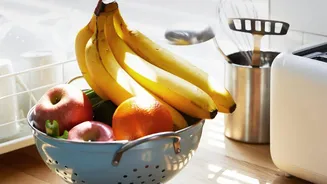
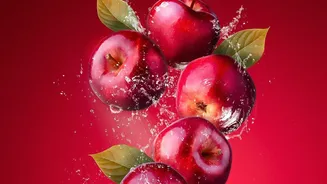
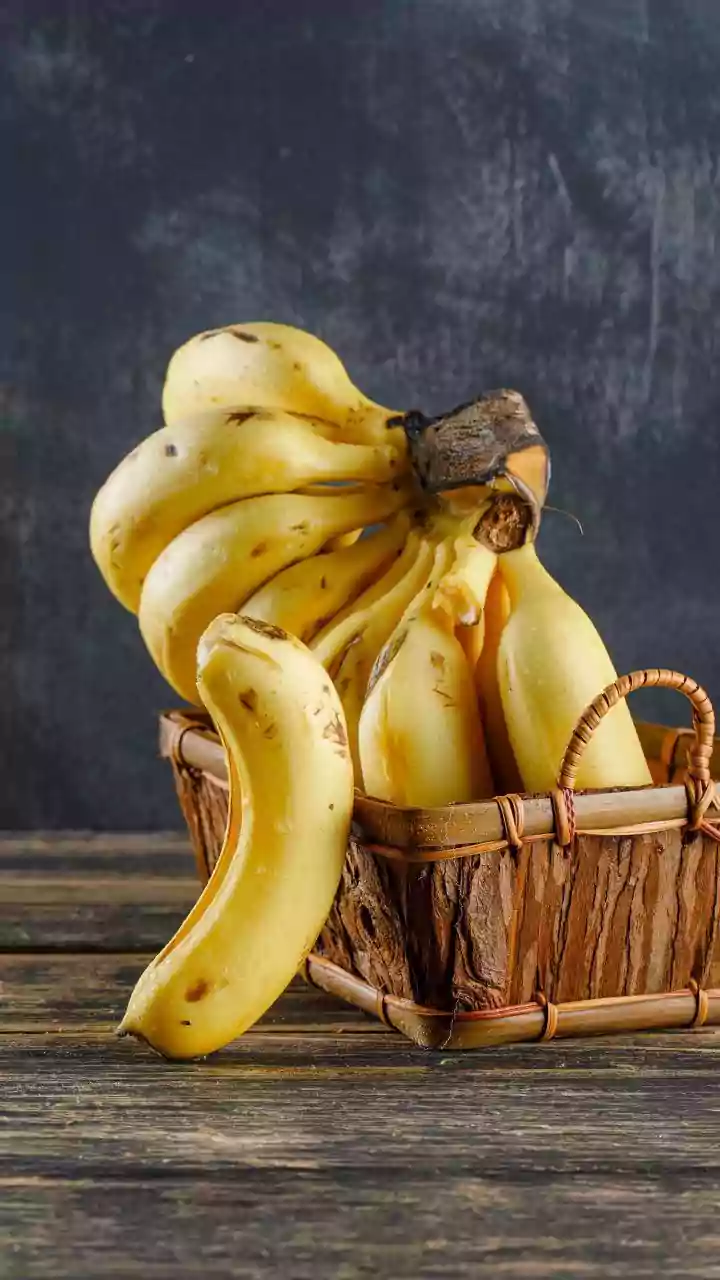
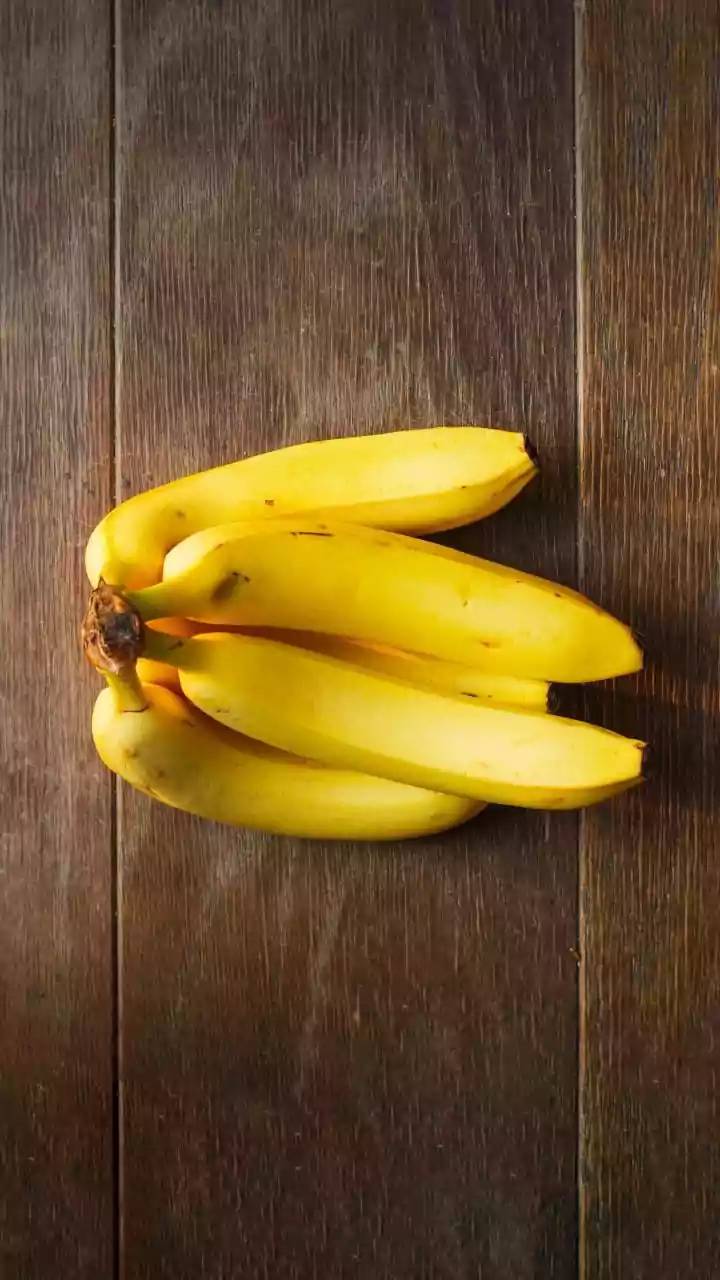
Apples are one of the most well-known high-ethylene producers, which is why they are often singled out. But they are far from alone in the fruit bowl. Other powerful ethylene emitters include ripe bananas, avocados, pears, peaches, plums, and cantaloupes. Tomatoes, though often treated as vegetables in the kitchen, are also significant ethylene producers once they start to ripen. Storing any of these items together in a confined space, like a closed bowl or a crowded crisper drawer, creates a concentrated ethylene environment, triggering a chain reaction of rapid ripening for everything in the vicinity.
Identifying the Ethylene-Sensitive Victims
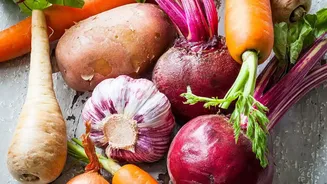
On the other side of the equation are the fruits and vegetables that are highly sensitive to ethylene. These are the items that will spoil much faster when exposed to the gas. The list of sensitive produce is long and includes many kitchen staples. Leafy greens like lettuce and spinach are prime examples, as they can wilt and develop dark spots. Carrots can develop a bitter taste, while broccoli and cauliflower may turn yellow. Cucumbers, asparagus, and green beans are also very susceptible, often becoming soft and losing their crispness. Even some fruits, like mangoes and grapes, can be negatively affected by excess ethylene exposure.
A Strategy for Smarter Storage
The key to making your produce last longer is simple: separation. Keep the ethylene-producing fruits away from the ethylene-sensitive ones. This does not mean you need a giant kitchen; just a smart strategy. Store apples, ripe bananas, and avocados on the counter by themselves, or in a breathable bag in the refrigerator. Use your refrigerator's crisper drawers to your advantage. If you have two, designate one for high-humidity, ethylene-sensitive produce like leafy greens and another for lower-humidity items or ethylene producers. Avoid sealing ethylene producers in plastic bags, as this traps the gas and speeds up spoilage. Good air circulation is your friend.
Using Ethylene Power for Good
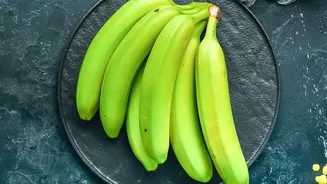
While ethylene can be a food-waste villain, you can also harness its power for your benefit. If you have a rock-hard avocado or a green banana you need ripened for a recipe, ethylene is the solution. Simply place the unripe item in a paper bag with an apple or a ripe banana. The bag will trap the ethylene gas produced by the apple or banana, creating a personal ripening chamber and speeding up the process considerably. This trick allows you to take control, ensuring you have perfectly ripe fruit exactly when you need it, turning a potential problem into a useful kitchen hack.