

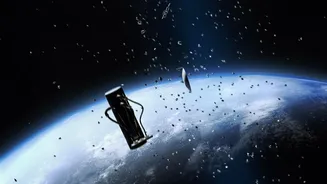
The Junkyard Above Our Heads
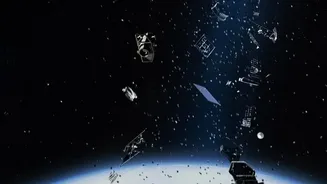
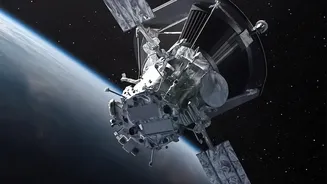
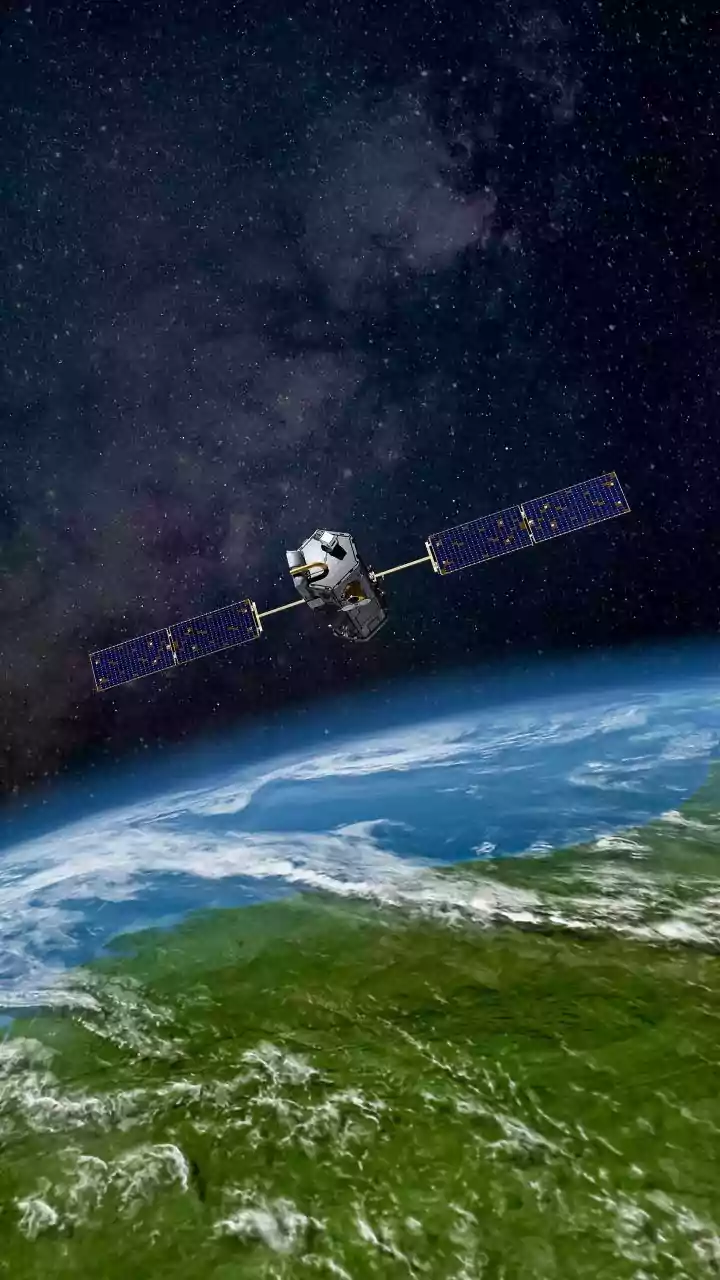
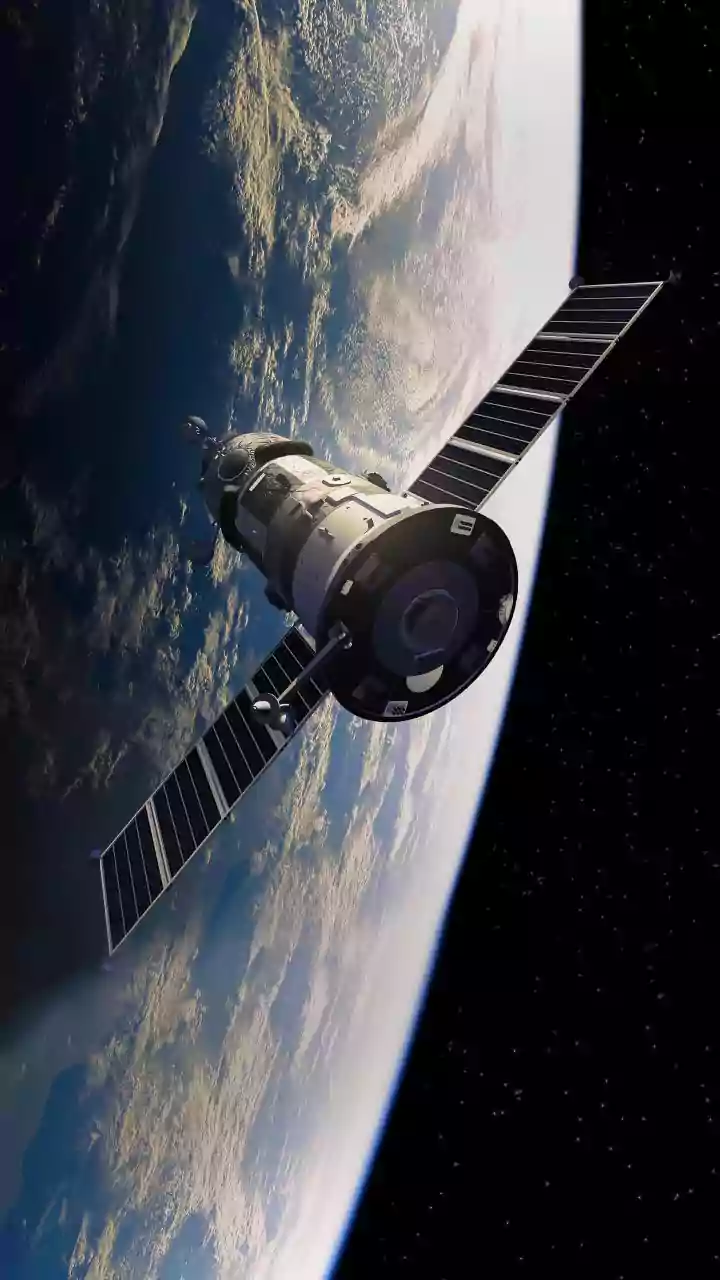
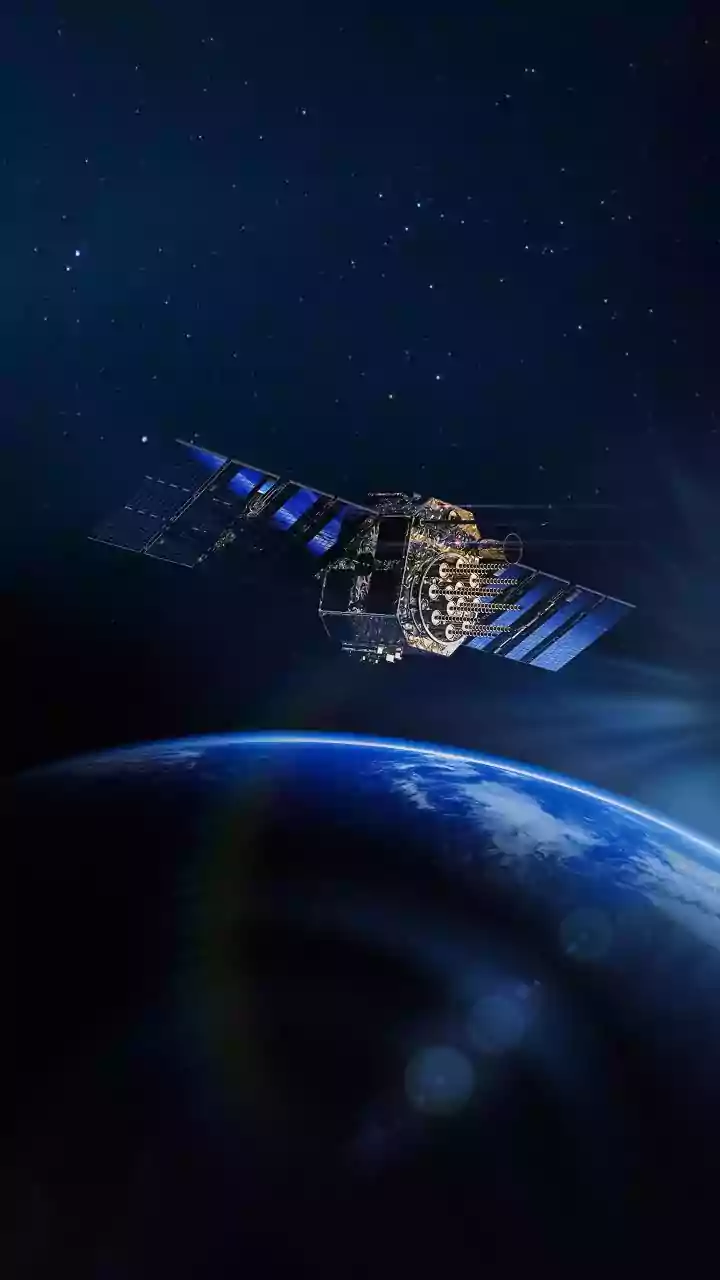
For decades, we have been launching objects into space, and many of them never come back down. Low Earth Orbit (LEO) is now littered with defunct satellites, spent rocket stages, and millions of fragments from past collisions and breakups. This orbital
debris travels at mind-boggling speeds—up to 28,000 kilometres per hour. At that velocity, even a tiny paint fleck can inflict catastrophic damage on an active satellite. The greater fear is a cascading chain reaction known as the Kessler Syndrome, a theory proposed by NASA scientist Donald Kessler in 1978. It describes a scenario where the density of debris becomes so high that collisions create even more debris, leading to a runaway effect that could render entire orbits unusable for generations. With the explosion of satellite mega-constellations, the risk of this theoretical problem becoming a practical reality is growing daily.
The Business of a cleaner Orbit
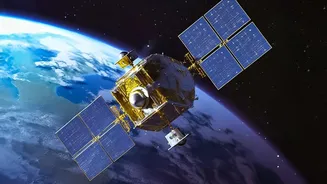
In response to this growing threat, a new market is taking shape: Active Debris Removal (ADR). Market forecasts vary, but most point to a multi-billion dollar industry within the next decade. Some analysts predict the market, which includes tracking and monitoring services, could grow from around $1.2 billion in 2025 to over $4 billion by 2030. This growth is driven by a simple economic reality: the cost of inaction is becoming too high. Satellite operators, insurance companies, and governments are beginning to see the value in paying for cleanup services to protect their multi-million dollar assets in orbit. Regulatory bodies like the U.S. Federal Communications Commission (FCC) are also pushing the market forward by mandating that new satellites have a credible plan for disposal within five years of their mission's end.
Finding a Needle in a Cosmic Haystack
Before you can remove a piece of debris, you have to find it and track it. This is the first pillar of the ADR market and currently accounts for most of its revenue. Space Situational Awareness (SSA) involves using a network of ground-based radar and optical telescopes to monitor the tens of thousands of objects large enough to be catalogued. Companies like LeoLabs and Privateer are pioneers in this space, providing data that helps satellite operators perform collision-avoidance manoeuvres. However, tracking smaller, more numerous pieces of debris remains a significant technical challenge. Integrating artificial intelligence to analyse vast datasets and predict trajectories is a major area of innovation, helping to prioritise the most high-risk objects for removal.
The Cosmic Claw Game
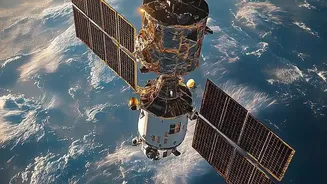
Once a target is identified, the next step is capture—a task far more complex than a fairground claw game. Debris objects are often tumbling unpredictably, making rendezvous and capture incredibly difficult. Companies and space agencies are developing a variety of ingenious methods. Japan's Astroscale and Switzerland's ClearSpace are two of the leading commercial players. Technologies being tested include giant nets, harpoons to spear larger objects, and robotic arms for a more controlled grab. For its landmark ClearSpace-1 mission, the European Space Agency is backing a four-armed robotic system to capture and deorbit a piece of a rocket adapter left in space since 2013. Other, more futuristic concepts include using powerful magnets or even lasers to nudge debris without direct contact.
Taking Out the Trash
After capture comes the final step: de-orbiting. The most common method is to push the debris into a lower orbit where it will burn up harmlessly upon re-entering Earth's atmosphere. This is often accomplished by a robotic "space tug" that attaches to the debris and uses its own thrusters to slow it down. For satellites in very high orbits, an alternative is to push them into a designated "graveyard orbit" where they won't interfere with active spacecraft. The ultimate goal is to make these missions cost-effective. A single removal mission today can cost nearly $100 million, but companies are aiming to develop reusable tugs that can remove multiple objects in a single flight, drastically reducing the price per piece.
A Forecast, Not a Certainty
Despite the promising technology and clear need, the space debris removal market faces major hurdles. The economics are daunting; who pays to remove an old rocket body that has been orbiting for 40 years? International space law is another complication, as defunct satellites are still considered the property of the nation that launched them, meaning a third party cannot simply remove them without permission. There is a pressing need for clear international regulations that address liability and responsibility for orbital cleanup. Furthermore, the missions themselves are inherently risky. A failed capture attempt could accidentally create even more debris, making the problem worse. These technical, legal, and financial uncertainties are why market projections must be viewed as forecasts of potential, not guarantees of success.