




A Legacy Rooted in the Sangam Soil
The story of Prayagraj's guava is inseparable from the land itself. For generations, orchards in the fertile plains near the Sangam—the confluence of the Ganga, Yamuna, and mythical Saraswati rivers—have produced this exceptional fruit. The unique alluvial
soil and the region's climate, with its cool winters, are credited with giving the guavas their distinctive taste and texture. This deep connection between fruit and geography is so profound that the 'Allahabad Surkha' variety was granted a Geographical Indication (GI) tag, an intellectual property right recognising its specific origin and quality. The tag, held by a local welfare association, legally protects the name and ensures that only guavas grown in this specific region can be called Allahabad Surkha, much like Darjeeling tea or Nagpur oranges.
The Tale of Two Varieties: Safeda and Surkha
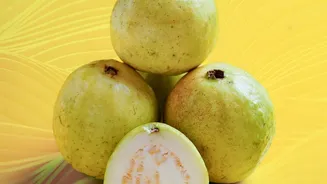
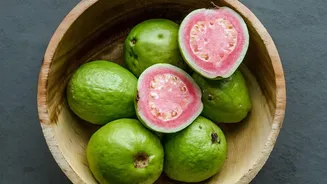
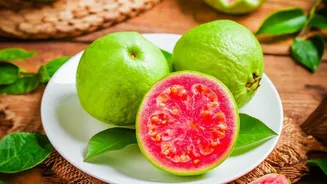
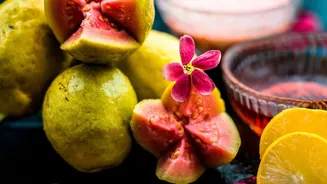
While Prayagraj produces several types of guava, two reign supreme: the Allahabad Safeda and the Allahabad Surkha. The Safeda is perhaps the most famous and widely cultivated. It's a round fruit with smooth, yellowish-white skin and a creamy white flesh that is praised for its soft texture, pleasant flavour, and relatively few seeds. Its balanced sweetness makes it a favourite for eating fresh. The Surkha, on the other hand, is the showstopper. Its name, meaning 'red,' refers to its beautiful apple-red exterior and stunning deep pink flesh. It is known for a stronger, sweeter flavour and is often considered a delicacy. Legend has it that the closer an orchard is to the Sangam, the more vibrant the pink hue of the Surkha's flesh becomes.
More Than Just a Fruit
In Prayagraj, the guava is woven into the fabric of daily life and culture. During the winter season, from November to January, local markets are filled with the musky, sweet scent of fresh guavas. For residents, the fruit is a source of immense pride and nostalgia, often sent as a cherished seasonal gift to friends and family, valued more than sweets or dry fruits. The 19th-century poet Akbar Allahabadi famously quipped that besides himself, the only other thing of worth in Allahabad was its 'amrood' (guava). This cultural importance is celebrated locally, with events like a guava festival created to showcase different varieties and innovative recipes, from guava kheer to even guava-based curries.
From Orchard to Plate: A Winter Ritual
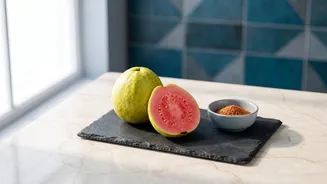
The simplest way to enjoy a Prayagraj guava is also the most traditional: freshly sliced and sprinkled with a mix of black salt and chaat masala. This classic preparation balances the fruit's sweetness with a tangy, savoury kick. But its use extends far beyond a simple snack. The Allahabad Safeda, with its firm flesh, is a preferred variety for making jellies, jams, and juices. The fruit's versatility is now being explored by chefs in modern kitchens, who are incorporating it into everything from sauces and marinades to even replacing meat in traditional dishes like rogan josh. Despite its fame, the region's guava cultivation has faced challenges from urbanisation and pests, prompting agricultural scientists to introduce new, hardier varieties to protect this precious horticultural legacy.