



The Foundation: Understanding Seasoning
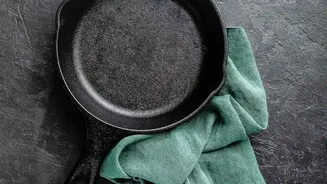
The magic of a great cast-iron pan lies in its seasoning. This isn't a layer of old grease, but a slick, hard surface created when oil is heated to its smoke point, causing it to polymerize and bond with the metal. This is what gives cast iron its non-stick
quality and protects it from rust. Most new pans come pre-seasoned, but this initial layer is just a starting point. A truly great cooking surface is built over time with every use. When you get a new pan, it's a good idea to wash it with warm, soapy water—this is one of the few times soap is recommended without debate—dry it thoroughly, and apply your own first layer of seasoning. To do this, rub a very thin layer of a neutral, high-smoke-point oil all over the pan, then wipe off the excess until it no longer looks greasy. Bake it upside down in a hot oven (around 230°C) for an hour to create a durable foundation.
The Daily Clean: Simple Steps After Each Use
How you clean your pan after cooking is crucial. The key is to act while the pan is still warm. First, wipe out any excess food and oil. For stuck-on bits, avoid letting the pan soak in water, which is a fast track to rust. Instead, use a stiff brush or a chainmail scrubber with hot water. A popular method for tough spots involves using coarse salt as a gentle abrasive; just pour some in and scrub with a paper towel. The biggest debate in the cast-iron world is about soap. The old rule was to never let soap touch your skillet. This dates back to when soaps contained lye, which could strip seasoning. Modern dish soaps are much milder and using a small amount on a well-seasoned pan is perfectly fine, especially if you've cooked something oily or with strong flavours. The most important step, regardless of method, is drying. Never let your pan air-dry. Towel-dry it and then place it on the stove over low heat for a few minutes to evaporate every last bit of moisture. Finish by wiping a tiny amount of oil on the cooking surface before storing.
Fixing Common Problems: Rust and Gunk
Even with diligent care, you might occasionally face a spot of rust or stubborn, sticky residue. Don't panic; cast iron is incredibly resilient. For minor rust, a good scrub with steel wool will often do the trick. For more significant rust, you can soak the pan in a 50/50 solution of white vinegar and water for about an hour before scrubbing. The acidity helps dissolve the rust, but don't soak it for too long as it can start to damage the iron itself. After removing the rust, you'll need to wash the pan thoroughly and perform a full re-seasoning in the oven as if it were new. If your pan feels sticky, it's usually a sign that too much oil was used during seasoning. The fix is often to simply heat the pan to help the excess oil finish polymerizing, or to just keep cooking with it, which will even out the surface over time.
Key Mistakes to Avoid
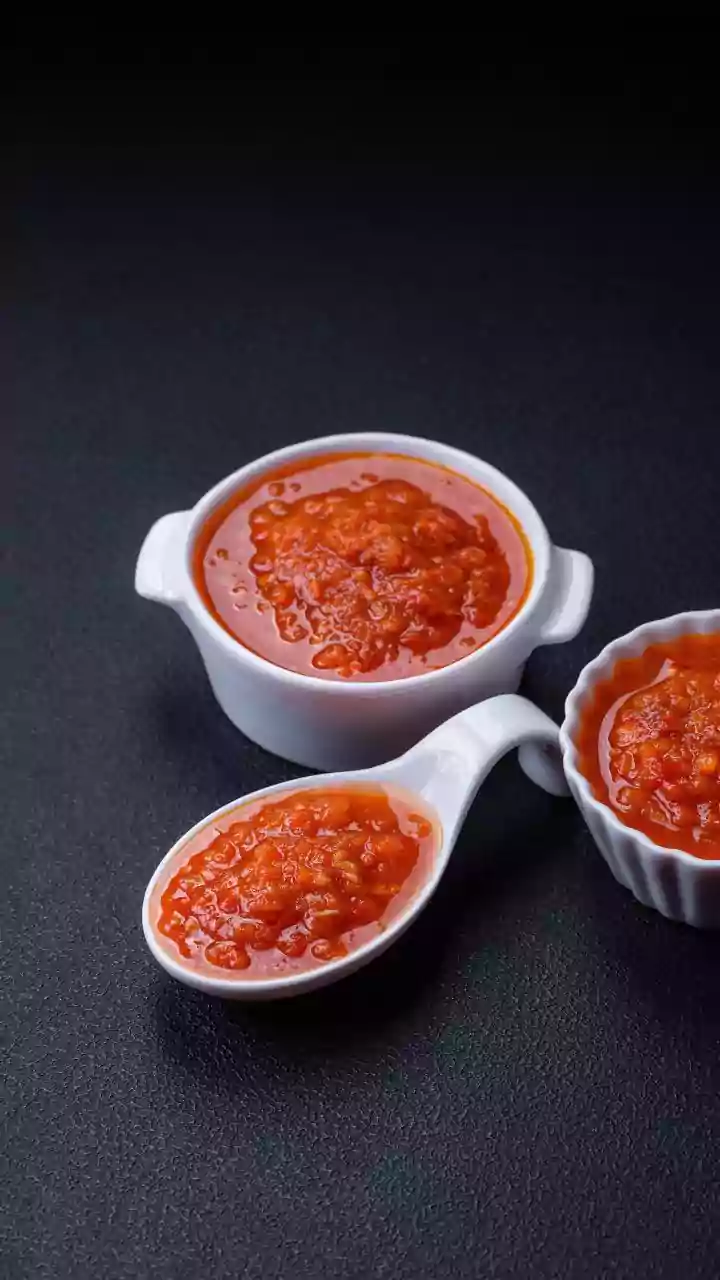
Maintaining cast iron is as much about what you don't do as what you do. First, never put it in the dishwasher. The harsh detergents and prolonged moisture will strip the seasoning and cause rust. Second, avoid storing food in your pan, as this can break down the seasoning and impart a metallic taste. Third, don't go from a cold pan to high heat too quickly; preheat it gradually over medium heat to prevent sticking and ensure even cooking. Finally, while modern pans can handle acidic foods like tomatoes or citrus for short periods, simmering them for a long time can eat away at the seasoning, so it's best to wait until your pan has a very robust, well-established surface.