






A Sacred, Shared Beginning
The gastronomic adventure of Pujo often begins with bhog, the sacred food offered to the goddess and then distributed among devotees. But to label it merely as a religious offering is to miss its greater social role. At community pandals across the city,
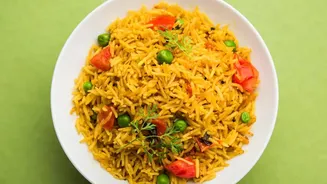
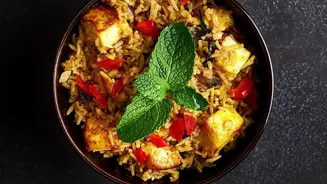
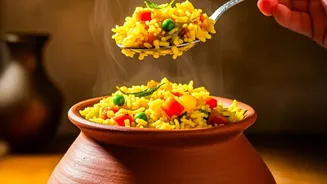
people from all walks of life line up, erasing lines of class and community, to receive a plate of khichuri. This simple, sublime mixture of rice and lentils, cooked with ghee and spices, is typically served with labra (a mixed vegetable curry), beguni (fried eggplant), and a sweet chutney. Eating bhog is an act of communal harmony, a moment of shared experience that nourishes the soul as much as the body. It’s the anchor of the Pujo food story, a tradition of giving and sharing that sets the tone for the days of feasting to come.
The Pulse of the Pandal Hop
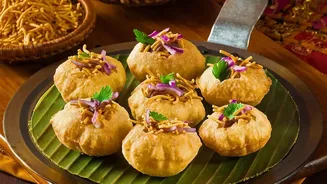
As evening descends and pandal-hopping begins in earnest, the streets of Kolkata come alive with a different kind of energy, fueled by an endless array of snacks. This is where the food trail sheds its devotional roots and embraces pure, unadulterated pleasure. Every corner boasts stalls selling crispy, deep-fried chops and cutlets, from fish to mutton, best eaten with a dab of sharp kasundi. The legendary kathi roll, a flaky paratha wrapped around a filling of egg or spiced meat, becomes the perfect on-the-go meal between pandals. And then there is phuchka, Kolkata's beloved version of pani puri, where each crunchy sphere delivers a burst of tangy, spicy flavour that is simply non-negotiable. This is food as fuel, food as fun, food as the very soundtrack of the city's biggest carnival.
The Great Biryani Pilgrimage
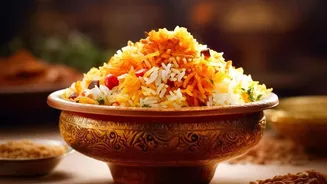
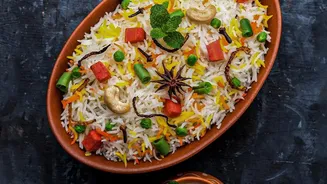
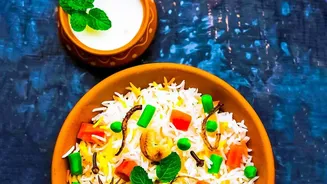
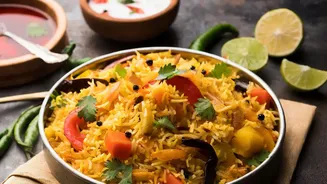
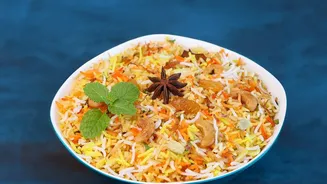
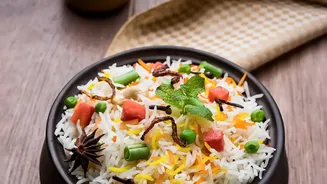
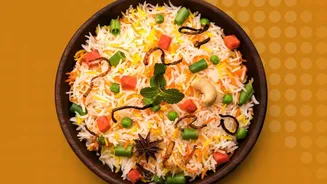
In a fascinating evolution of tradition, biryani has become an undeniable star of the Pujo feast. While not a conventional part of the festival's rituals, its popularity speaks volumes about how Pujo has transcended religious boundaries to become a wider cultural celebration. During the festival, iconic biryani houses see massive crowds, and for many, a Pujo outing is incomplete without a plate of the city's signature style, distinguished by the fragrant rice, tender meat, and the all-important potato. The rise of the biryani pilgrimage shows that the culinary landscape of Pujo is not static; it’s a living, breathing entity that adapts to the tastes and desires of the people celebrating it. It's a testament to the idea that the food story of Pujo is now written as much in restaurants as it is in pandals.
An Affair of Sweet Surrender
No Bengali celebration is complete without mishti (sweets), and during Durga Puja, the obsession reaches its zenith. Sweet shops work overtime, churning out classics like the spongy rosogolla and the delicate sandesh. Families prepare homemade specialties like payesh (rice pudding) and narkel nadu (coconut laddoos). Mishti Doi, the city’s famed sweet yogurt, offers a cool, creamy counterpoint to the festive frenzy. After every meal, with every visitor, and at the end of a long night of pandal hopping, a sweet offering is almost mandatory. This is more than just dessert; it's a symbol of joy, hospitality, and the sweet conclusion to a perfect meal, woven into the very fabric of the festival's identity.
A Feast for All
This sprawling food trail—from the sacred bhog to the celebratory biryani—highlights a powerful truth: the culinary narrative of Durga Puja is a magnificent cultural phenomenon in its own right. It doesn't need to be propped up by devotional context because its appeal is universal. The festival has evolved into an inclusive cultural event where food is the primary medium of connection. It is a time when the city unites in a shared love for eating, where the joy of a perfect phuchka or the comfort of khichuri becomes the great equaliser. The food story stands strong on its own merits—a delicious, sprawling, and deeply satisfying testament to Kolkata's identity as a city that lives and loves to eat.