





The Myth of the Mad Dash
We’ve all seen that traveller—the one sprinting to the security line, flinging items into bins, and hoping for the best. While it might feel proactive, this last-minute scramble is often the primary cause of delays. When you’re rushed, you’re more likely
to forget to remove a laptop, leave a full water bottle in your bag, or have a non-compliant liquid that requires a manual bag check. Each of these small errors adds minutes to your screening time and increases stress for you and everyone behind you. The truth is that airport security is a methodical process. It rewards organisation, not haste. A few deliberate minutes spent packing correctly at home can save you 15 to 20 stressful minutes of delays at the checkpoint.
Master Your Liquids with the 3-1-1 Rule
The most common reason for a security hold-up remains the handling of liquids, gels, and aerosols. The rule is simple, yet frequently forgotten in the rush to pack. It's called the 3-1-1 rule. All your liquids must be in containers of 3.4 ounces (100 millilitres) or less. All these containers must fit comfortably into a single, clear, quart-sized, resealable bag. Each passenger is allowed only one of these bags. To breeze through, have this bag packed and ready. Place it in an easily accessible pocket of your carry-on, so you can pull it out and place it in a bin without having to rummage through your entire suitcase. Remember, the size of the container matters, not the amount of liquid inside; a half-empty 6-ounce bottle will still be confiscated.
Dress for Security Success
What you wear to the airport can have a surprisingly large impact on your time at the security checkpoint. While you want to be comfortable for your flight, think of your airport outfit as your first step in the screening process. Opt for shoes that are easy to slip on and off, as many travellers are still required to remove them. Avoid wearing excessive jewellery, belts with large metal buckles, or clothing with a lot of metal snaps and zippers that could trigger the body scanner. Coats, jackets, and bulky sweaters will need to be removed and placed in a bin, so be prepared to take them off as you approach the conveyor belt. By dressing simply, you minimise the number of items you need to divest and reduce the chance of a secondary pat-down.
Pack Your Carry-On Strategically
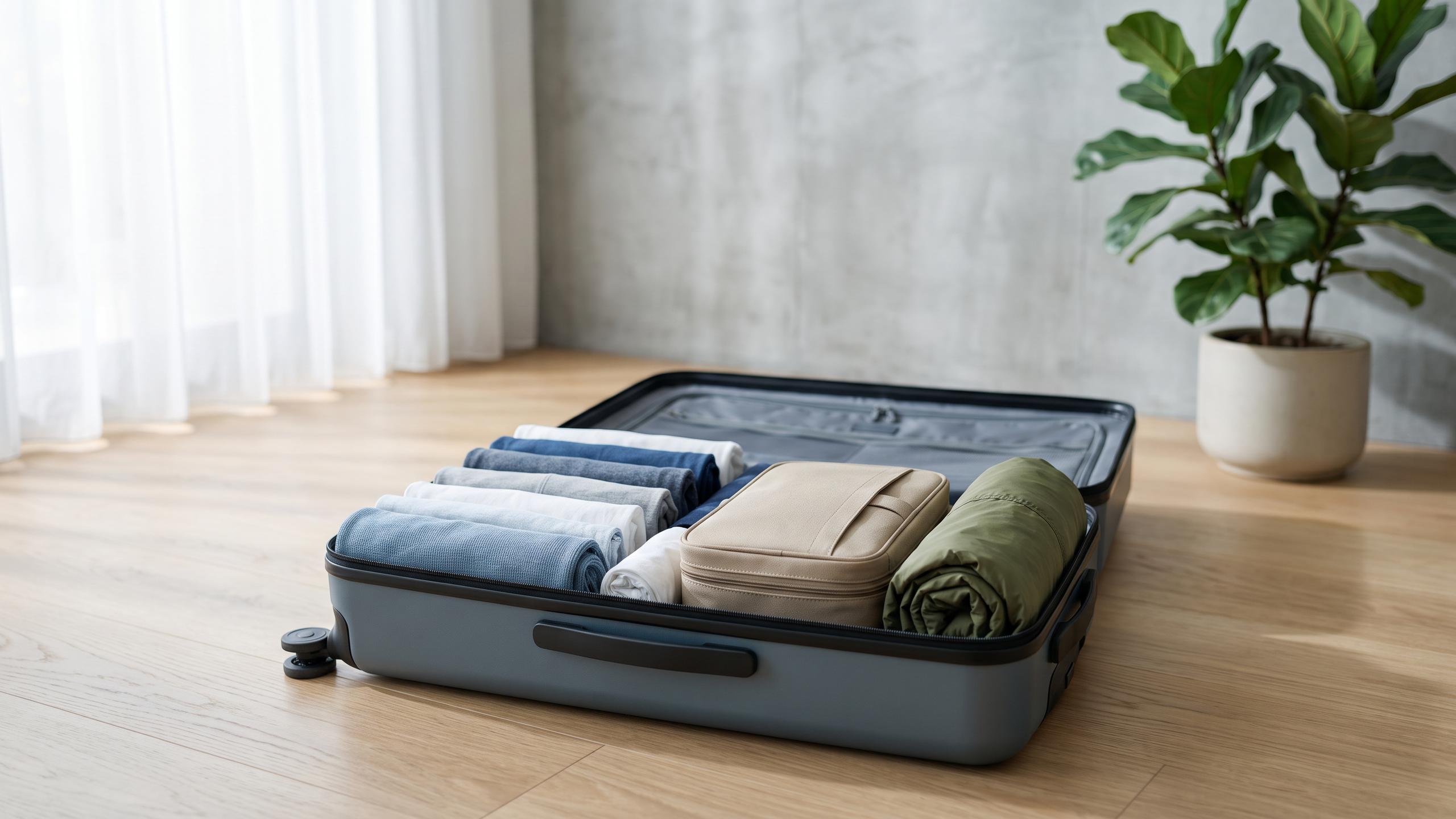
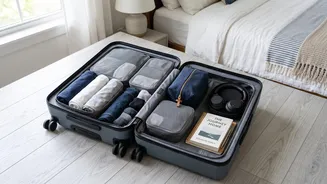
A well-organised carry-on is your best friend at security. Think in layers and compartments. Keep items you'll need to remove for screening in the most accessible places. If you don't have an expedited screening status like TSA PreCheck, your laptop and other large electronics will need to be placed in a separate bin. Pack them in an outer pocket or at the very top of your main compartment. This prevents the dreaded 'suitcase explosion' as you dig for your computer. The same goes for your liquids bag. A bag with multiple compartments can be extremely helpful for keeping your screening items separate from your in-flight comforts like a book or headphones.
Consider Expedited Screening Programs
For frequent travellers, the ultimate preparation is enrolling in a Trusted Traveler Program. Programs like TSA PreCheck are designed for domestic travel and allow eligible, low-risk passengers to use dedicated lanes where they don't have to remove shoes, belts, light jackets, laptops, or their 3-1-1 liquids bag. This significantly speeds up the process. For those who also travel internationally, Global Entry includes all the benefits of TSA PreCheck plus expedited U.S. customs screening upon returning to the country. While these programs have an application fee and require a background check, the time and stress saved over several years of travel can be well worth the investment.