





India's Global Rice Dominance
To understand the price on your plate, you first need to appreciate India's role in the global rice market. India is the world's largest rice exporter, accounting for more than 40% of the total rice traded internationally. The country ships various rice varieties
to over 150 nations, from premium Basmati for Gulf markets to non-Basmati rice that serves as a staple for many African countries. This dominant position means that any policy decision made in New Delhi or any significant change in India's harvest can have an immediate and powerful effect on rice availability and prices across the globe. When India changes its export rules, the world listens—and often, its wallet feels the impact.
The Impact of Export Curbs
The Indian government's primary responsibility is to ensure its own citizens have enough food at stable prices. To achieve this, it sometimes implements export restrictions on certain types of rice, especially when there are concerns about domestic inflation or a poor monsoon affecting crops. For example, in July 2023, India banned the export of non-basmati white rice to control rising domestic prices. This decision effectively halved the country's rice shipments, creating a major supply shock in the global market. Countries that depend heavily on Indian rice were forced to find other, often more expensive, suppliers. The result was a sharp increase in global rice prices, which reached a 15-year high.
How Distant Conflicts Add Fuel to the Fire
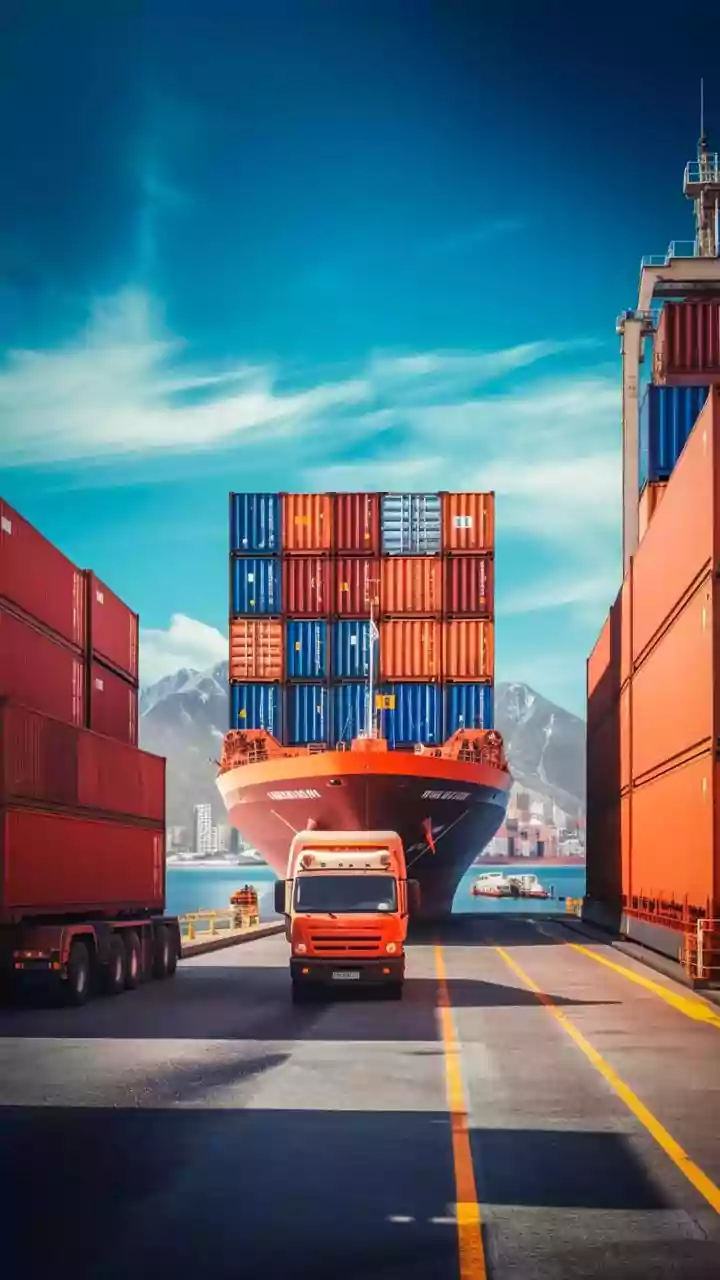
Geopolitical conflicts, even those thousands of kilometers away, play a significant role in food prices. Wars and tensions in key shipping lanes like the Red Sea and the Strait of Hormuz disrupt the movement of food, fuel, and fertilizer. These disruptions create logistical nightmares for exporters. Shipping containers become more expensive, insurance premiums skyrocket, and delivery times get longer. Recent tensions in the Middle East, for instance, have made it much harder and costlier to ship Basmati rice to key buyers in the Gulf. This volatility creates a sense of scarcity, prompting countries to engage in aggressive stockpiling to secure their food supplies, which further drives up global demand and prices.
Why Indian Consumers Still Feel the Pinch
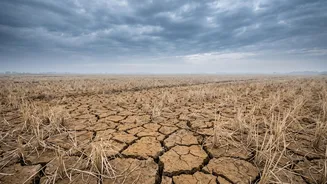
While export bans are designed to protect Indian consumers by keeping more rice within the country, we are not entirely immune to these global pressures. The recent surge in international demand, fueled by geopolitical fears, has led to a noticeable increase in domestic rice prices. Basmati prices have reportedly risen by 15-20%, while some non-basmati varieties have seen increases of up to 25% in the first quarter of fiscal year 2027. This is because higher global prices create an incentive for traders to export, especially for rice varieties not covered by bans. Furthermore, factors like a weak monsoon in key rice-producing states can tighten domestic supply, adding to the upward price pressure. When overseas buyers are aggressively purchasing, and local supply is constrained, the impact inevitably trickles down to the prices we pay at our local kirana store.