



Beetroot: The Vibrant Powerhouse
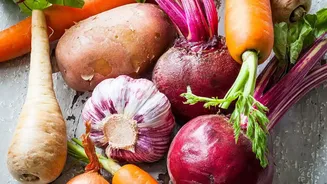
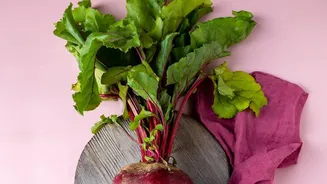
Often hailed as a superfood, beetroot's stunning colour is matched by its impressive nutritional profile. Rich in fibre, folate, potassium, and powerful antioxidants, it’s a versatile ingredient that shines in both raw and cooked forms. Roasting beets
concentrates their natural sweetness, making them a perfect addition to salads or as a standalone side dish. For a more elevated take, try slicing them paper-thin for a raw carpaccio drizzled with citrus vinaigrette or blending them into a brilliantly coloured hummus. Beetroot also contains nitrates, which can help support healthy blood flow. Their earthy flavour pairs wonderfully with tangy goat cheese alternatives, walnuts, and fresh herbs.
Sweet Potato: The Comforting Classic
The beloved sweet potato is a staple for good reason. It’s incredibly versatile, packed with fibre, and a fantastic source of vitamin A. But it's time to think beyond simple fries or mash. To truly elevate this root, consider using it as a base for more complex dishes. Roasted and stuffed sweet potatoes can become a full meal, filled with black beans, corn, and avocado. For a creative twist, spiralize them into 'noodles' and toss with a flavourful sauce, or blend them into a creamy, dairy-free pasta sauce or soup. Their inherent sweetness also makes them a surprisingly effective ingredient in plant-based baking, adding moisture and flavour to brownies and muffins.
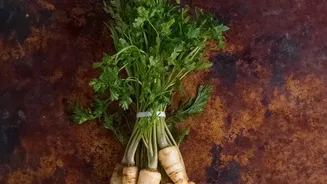
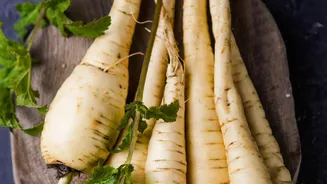
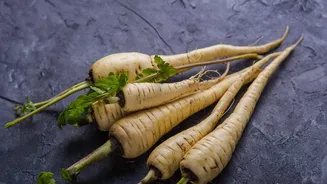
Parsnip: The Underrated Sweet Cousin
Often mistaken for a pale carrot, the parsnip boasts a unique flavour that is sweeter, nuttier, and subtly spicy. This vegetable transforms when cooked, as its starches convert to sugars, particularly when roasted. This process of caramelization brings out a deep, complex sweetness that is simply irresistible. For an elegant side, try a silky parsnip purée, which makes a wonderful alternative to mashed potatoes. Their flavour profile stands up well to robust herbs like rosemary and thyme and warming spices like nutmeg. You can also slice them into thin crisps or use them as a foundational flavour in hearty winter stews and soups.
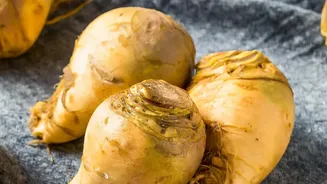
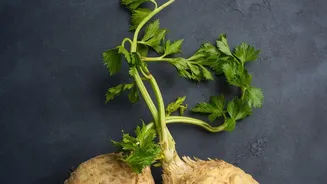
Celeriac: The Gnarly Genius
Don't be deterred by its rough, knotted exterior; celeriac, or celery root, is a culinary gem. Its flavour is a cross between celery and parsley with a nutty undertone, and its texture is similar to a potato, making it incredibly versatile. It is high in fibre and a great source of vitamins B6, C, and K. Celeriac is fantastic when grated raw into a classic French rémoulade with a tangy mustard dressing. It can be roasted, mashed, or stewed. For a sophisticated plant-based main course, slice it into thick steaks, roast until tender, and serve with a rich mushroom gravy. A purée of celeriac and potato creates a more complex and flavourful mash.
Fresh Turmeric: The Golden Root
While most know turmeric as a dried powder, its fresh root form offers a brighter, more aromatic, and less bitter flavour. This vibrant orange rhizome is celebrated for its powerful anti-inflammatory compound, curcumin. To use it, simply peel and grate it like ginger. It imparts an earthy, peppery warmth that can elevate curries, stews, and lentil dals. Try adding freshly grated turmeric to smoothies, juices, or homemade 'golden milk' for a wellness boost. You can also create a flavour paste with garlic and ginger to use as a base for countless savoury dishes, infusing your entire meal with its signature golden hue and health benefits.