





Shinjuku Gyoen, Tokyo: Three Gardens in One
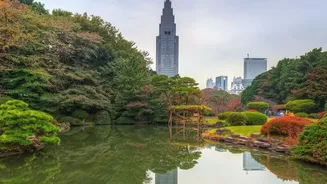
A short walk from the world's busiest train station, Shinjuku Gyoen National Garden is a masterful blend of styles that makes you forget you're in the heart of Tokyo. Originally an imperial garden, it was rebuilt after World War II and opened to the public.
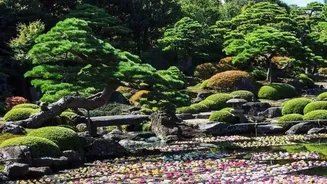
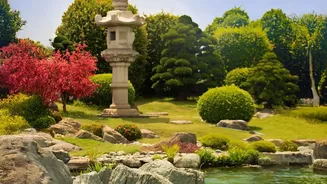
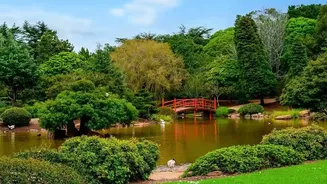
The park uniquely combines three distinct types of gardens on its sprawling 144 acres. You can wander through a classic Japanese landscape garden with its ponds and pavilions, stroll across the wide-open lawns of an English landscape garden, and admire the symmetrical beauty of a French formal garden with its impressive rose beds. The park is also home to a large greenhouse filled with tropical and subtropical plants, including rare orchids. It's a horticultural treasure and a peaceful sanctuary, showcasing different facets of garden design in one magnificent location.
Ueno Park, Tokyo: A Hub of Culture and History
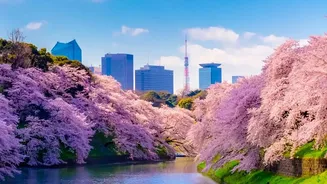
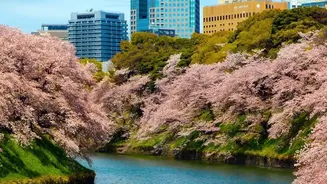
Ueno Park is more than just a place for a walk; it's Tokyo's cultural epicentre. It was Japan's first public park and is packed with attractions. It is famously home to a cluster of world-class museums, including the Tokyo National Museum, the National Museum of Nature and Science, and the National Museum of Western Art. Beyond the museums, you can visit the historic Ueno Toshogu Shrine, dedicated to the founder of the Tokugawa Shogunate, or circle the serene Shinobazu Pond, where the Bentendo temple hall sits on a small island. In spring, the park becomes one of Tokyo's most popular spots for viewing cherry blossoms, with over 1,000 trees creating a stunning pink canopy. It's a place where art, history, and nature converge, offering a full day of exploration.
Yoyogi Park, Tokyo: The Centre of Modern Recreation
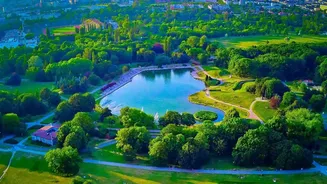
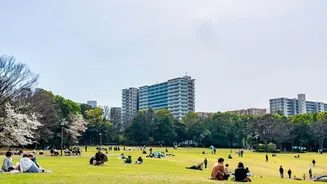
Adjacent to the tranquil Meiji Shrine and the fashion-forward Harajuku district, Yoyogi Park is where modern Tokyo comes to play. This spacious park, with its wide lawns, forested areas, and ponds, has a vibrant, energetic atmosphere. It's a gathering place for a diverse mix of people; on any given weekend, you might see rockabilly dancers, martial arts clubs, musicians, and cosplayers. The park's history is also fascinating, having served as an army parade ground and the site of the Olympic Village for the 1964 Tokyo Olympics before opening to the public in 1967. Whether you're there for a picnic, to people-watch, or to enjoy the brilliant golden leaves of the ginkgo trees in autumn, Yoyogi offers a dynamic snapshot of contemporary Japanese culture.
Kenrokuen, Kanazawa: The Perfect Landscape Garden
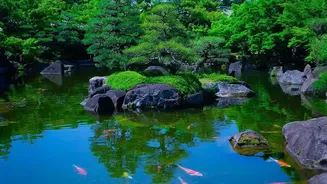
Considered one of Japan's three most beautiful landscape gardens, Kenrokuen in Kanazawa is a masterpiece of traditional design. Its name means "Garden of the Six Attributes," referring to six essential qualities of an ideal garden: spaciousness, seclusion, artifice, antiquity, water sources, and magnificent views. Developed over centuries by the powerful Maeda clan, the garden was opened to the public in 1874. Every element, from its large pond and ancient trees to its stone lanterns and teahouses, is meticulously placed to create a harmonious and serene environment. One of its most iconic sights is the Kotojitoro Lantern, with its unique two-legged design. In winter, the garden is famous for its 'yukitsuri'—ropes carefully arranged in conical patterns to protect the pine trees from heavy snow, creating a stunning visual spectacle.