





A Landmark Project Nears the Finish Line
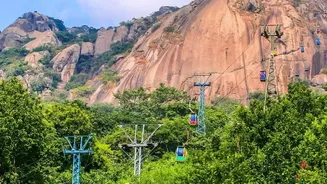
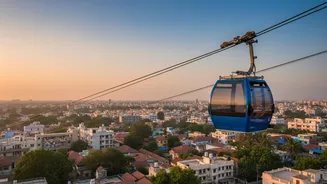
Set to be India's first public transport ropeway, the Kashi Ropeway is a futuristic solution to an age-old problem. The nearly 3.8-kilometre aerial corridor will connect the heavily trafficked Varanasi Cantonment railway station to Godowlia Chowk, a key
hub for pilgrims visiting the Kashi Vishwanath Temple and Dashashwamedh Ghat. With around 150 ten-seater gondolas, the system is designed to carry up to 96,000 passengers daily, slashing a journey that often takes an hour by road to just 16 minutes. The project, which has been under construction since 2023, has entered its final testing phases, with a full launch anticipated by mid-2026. It stands as only the third such urban ropeway system in the world, positioning Varanasi alongside cities like La Paz in Bolivia and Mexico City.
Why Varanasi Needs to Rise Above Traffic
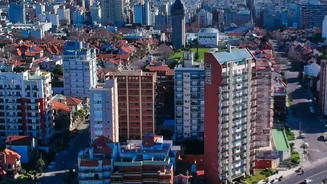
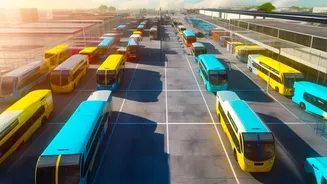
For centuries, the charm of Varanasi has been intertwined with its labyrinthine lanes. But for modern commuters, pilgrims, and tourists, these narrow roads have become a significant bottleneck. The Cantt-Godowlia route is one of the city's most congested corridors, struggling to accommodate the ever-increasing flow of people. Traditional solutions like road widening would require extensive demolition in a heritage-rich zone. A metro system was also considered but deemed unfeasible due to the city's soil conditions. The ropeway emerged as an innovative alternative, a mass transit system that operates above the congested streets, promising to reduce traffic, lower pollution, and provide a seamless connection for the thousands who flock to the city’s spiritual heart every day.
The All-Weather Litmus Test
While the engineering is impressive, the ropeway's ultimate success hinges on its performance during Varanasi's demanding weather cycle. The city experiences scorching summer heat, followed by a powerful monsoon season characterized by heavy rains and high winds. These are not trivial concerns for an aerial transport system. High winds can cause gondolas to sway, while intense rain and potential lightning strikes pose operational and safety challenges. The comfort of passengers inside the cabins during extreme heat is another crucial factor. For the ropeway to be a truly reliable public transport service, and not just a fair-weather tourist attraction, it must demonstrate that it can operate safely and efficiently through everything the Indian seasons can throw at it. Officials have stated that specially designed gondolas will ensure a pleasant experience in all weather conditions.
Engineering for Extremes and Ensuring Safety
Project authorities have stressed that safety is a top priority. The system is being built to stringent European CEN standards, incorporating multiple safety features, including a three-tier rescue mechanism and provisions for vertical evacuation in emergencies. The technology is provided by Swiss company Bartholet Maschinenbau AG, a world leader in cable transport. Recent trial runs have included emergency braking tests, which deliberately induce swaying to ensure the system remains within safe operational limits. Officials clarified that a viral video showing a swaying gondola was part of these controlled safety tests, designed to simulate conditions like high winds and prove the system's resilience. Full load testing is also part of the final trial phase before the service is commissioned for public use.
What a Resilient Ropeway Means for Kashi
If the Kashi Ropeway proves its mettle as an all-weather transport system, the impact on the city will be transformative. It will offer residents and the millions of visiting pilgrims a predictable, fast, and eco-friendly way to travel, regardless of the season. This reliability is key to integrating the ropeway into the daily fabric of the city's life. Success would mean fewer vehicles choking the narrow streets, leading to cleaner air and a more serene experience in the ancient city's core. More than just a novelty, a dependable ropeway would stand as a powerful symbol of how modern infrastructure can be thoughtfully integrated into a heritage city, solving contemporary problems while respecting a timeless cultural landscape.