






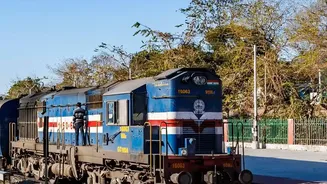
The Journey as It Stands Today
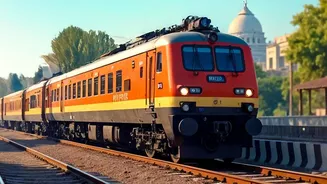
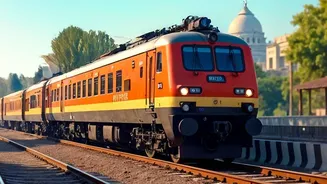
For residents of Delhi, a trip to Varanasi is a significant undertaking. The fastest train, the Vande Bharat Express, completes the journey in a commendable eight hours. Other express trains take anywhere from 10 to 14 hours, often running overnight.
Flying is another option. While the flight itself is just over an hour, factoring in travel to and from airports, check-in, and security can easily stretch the total transit time to four or five hours. Each option comes with a trade-off between time, cost, and convenience, making a spontaneous trip to the holy city a logistical challenge for most.
Enter the High-Speed Rail Corridor
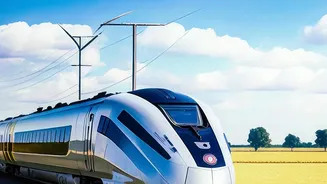
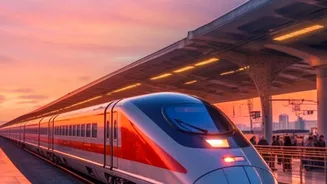
The proposed Delhi-Varanasi high-speed rail corridor is set to redefine this journey. As one of the seven new 'growth connector' corridors announced in the Union Budget 2026-27, this project aims to link the capital with Varanasi via a bullet train network. With proposed operational speeds of around 320 kmph, the new line is projected to cut the end-to-end travel time to approximately three hours and 50 minutes. The National High Speed Rail Corporation Limited (NHSRCL) is preparing the detailed project reports, with plans for the line to be mostly elevated to ensure safety and speed.
Varanasi: The New Weekend Getaway?
The most immediate impact of a sub-four-hour journey is the transformation of Varanasi into a viable weekend destination from Delhi. A trip that currently consumes the better part of a day could become a comfortable morning or afternoon ride. This shift would allow for short, two-day trips without the need for long leave or extensive planning. Imagine leaving Delhi on a Saturday morning, spending the afternoon and evening exploring the ghats, attending the Ganga aarti, and returning by Sunday evening. This accessibility could fundamentally change how Delhiites perceive and plan trips, not just for tourism but for personal and spiritual reasons.
A Boost for Pilgrimage and Business
Beyond leisure, the high-speed link holds immense potential for pilgrimage and business. For devotees, the ability to make frequent, short trips to Kashi could alter the nature of spiritual travel, making it more accessible than ever before. For the business community, the corridor would effectively shrink the distance between the national capital and a major hub in eastern Uttar Pradesh. With key stops proposed at places like Jewar Airport, Agra, Lucknow, and Prayagraj, the entire region is set to become a more integrated economic zone. This enhanced connectivity could spur commercial activity, facilitate easier movement of talent, and boost local economies along the route.
The Ripple Effect on Travel and Tourism
Such a dramatic reduction in travel time is bound to have a ripple effect. Airlines might face stiff competition on the route, as the total time for a high-speed rail journey could become comparable to, or even better than, flying. The project is also expected to boost the hospitality sector in Varanasi and other connected cities, potentially leading to a rise in demand for short-stay accommodations. Furthermore, the inclusion of a spur line to Ayodhya would create a powerful pilgrimage circuit, attracting even more visitors. As India expands its high-speed rail network, projects like this serve as more than just transport infrastructure; they are powerful engines for regional development and economic growth.