






A Monumental Flight with a Twist
Starship Flight 15 was a landmark mission with two primary goals: prove the Ship 42 upper stage could reach a stable Earth orbit and then demonstrate that the entire vehicle could be recovered for rapid reuse. While the mission was a resounding success
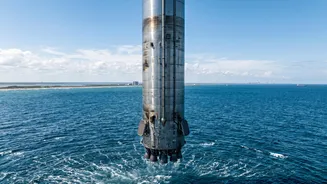
on the orbital front, it came with a dramatic twist. The giant Super Heavy booster, which propels the Starship spacecraft for the first few minutes of flight, aborted its own landing attempt due to a low-fuel warning. Instead of being caught by the launch tower, its guidance system safely diverted it for a splashdown in the Gulf of Mexico. However, the main event—Ship 42—continued its journey, circling the globe for over 22 hours before its historic return.
What It Means to Truly Reach Orbit
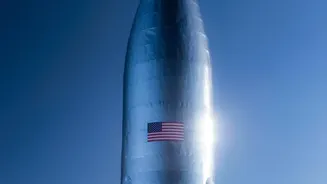
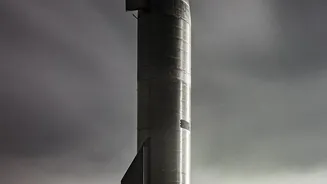
Previous Starship flights had reached space, but Flight 15 was different. Reaching orbit isn't just about going high; it's about going fast enough—around 28,000 kilometres per hour—to fall around the Earth instead of falling back to it. Ship 42 achieved this, entering a stable low-Earth orbit after separating from its booster. This is a crucial milestone. Without orbit, Starship cannot perform its intended functions, such as deploying large satellite constellations like Starlink, refueling in space for missions to the Moon and Mars, or acting as a long-duration transport vehicle. This flight proved the vehicle could operate as a true spacecraft, not just a high-altitude test article. After reaching orbit, Ship 42 successfully deployed a batch of 26 next-generation Starlink satellites.
The Main Event: Explaining the 'Catch'
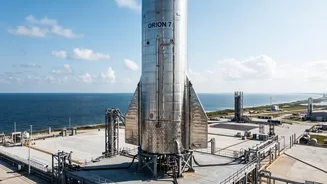
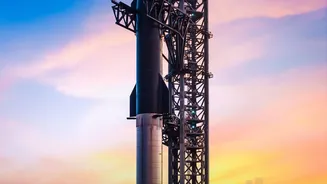
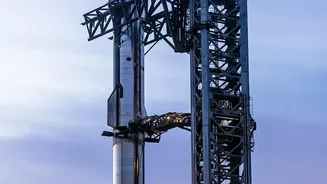
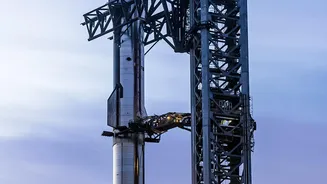
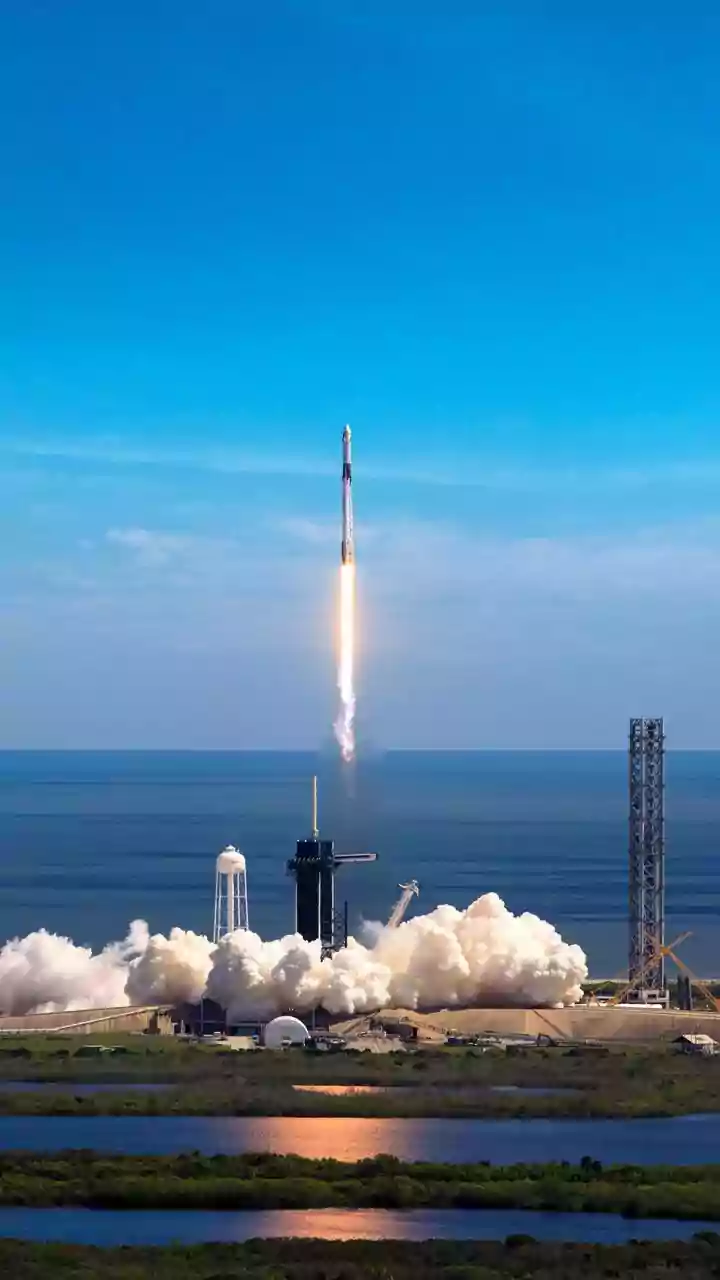
The most anticipated part of the mission was the recovery of the Ship 42 upper stage. This is where 'Mechazilla' comes in—the nickname for the massive launch tower equipped with two giant, movable arms often called 'chopsticks'. Instead of landing on legs like the Falcon 9, Starship is designed to be caught in mid-air. After surviving a fiery reentry, Ship 42 used its engines to slow down and hover near the launch tower. The chopsticks then closed around the vehicle, catching it on two reinforced points just below its forward flaps. The spacecraft then settled onto the arms, completing the first-ever recovery of an orbital-class upper stage.
Why Is Catching the Rocket So Important?
The tower catch is the key to unlocking SpaceX's vision of rapid reusability. Landing legs add significant weight to a rocket—mass that could otherwise be used for payload. By eliminating them, Starship can maximize its cargo capacity. Furthermore, catching the rocket directly on the launch tower streamlines the process for the next flight. The tower can immediately begin lifting the vehicle back onto the launch mount for refueling and integration, potentially cutting the turnaround time from weeks or months to just days or even hours. This 'aircraft-like' operational tempo is what could dramatically lower the cost of access to space and make ambitious projects like a city on Mars economically feasible.
What Comes Next for Starship?
Despite the loss of the Super Heavy booster, Flight 15 was a monumental success that validates two core pillars of the Starship architecture. Engineers will now analyze the data from Ship 42’s long-duration flight and its atmospheric reentry to improve the heat shield and other systems. For the booster, the focus will be on understanding and fixing the fuel issue that led to its abort. The next flights will aim to repeat the successful ship catch while also achieving a booster catch on the same mission. Once both stages can be reliably recovered and reused, SpaceX will move closer to operational flights for customers, including NASA's Artemis program, which plans to use a version of Starship to land astronauts on the Moon.