
The Golden Science of Roasting
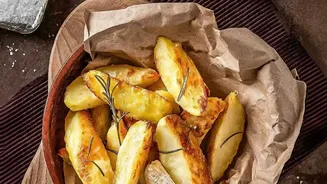
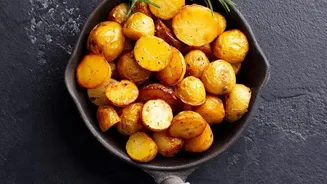
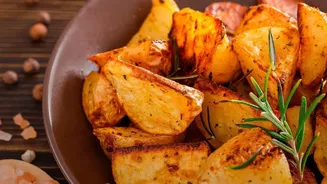
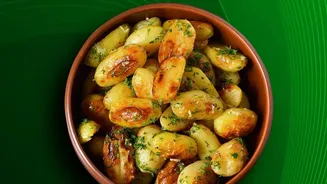
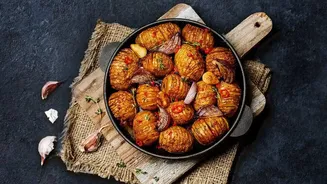
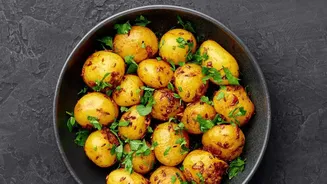
Roasting is a dry-heat cooking method that creates a delightful textural contrast. When you place potatoes in a hot oven, typically around 200-220°C, two key processes begin. Firstly, the high heat drives moisture away from the potato's surface, allowing
the skin to become dry and crisp. Secondly, the starches and sugars on this dehydrated surface undergo the Maillard reaction and caramelisation. This is the same chemical process that gives seared steak and toasted bread their delicious brown crust and complex flavour. The result is a potato with a gloriously crunchy, golden-brown exterior that shatters when you bite into it, revealing a soft, fluffy, and steaming interior. For an even crispier shell, some chefs parboil the potatoes first, then rough up the surface to create more nooks and crannies for the oil to cling to, maximising the crunch.
The Gentle Art of Boiling
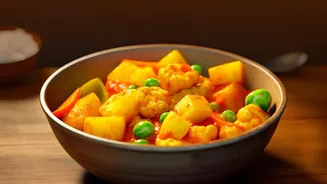
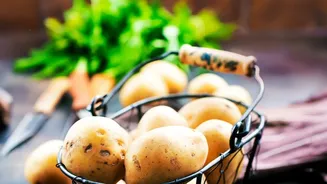
Boiling is a moist-heat method that yields a completely different result. Submerged in hot water, the potato cooks gently and evenly. The heat causes the starch granules within the potato's cells to absorb water, swell, and soften, a process known as gelatinisation. Unlike roasting, there's no surface dehydration. Instead, the entire potato becomes uniformly tender and soft. This makes boiled potatoes perfect for mashing, as the cell structure is already softened and ready to be broken down into a creamy puree. Waxy potatoes, which are lower in starch and higher in moisture, tend to hold their shape better when boiled, making them ideal for potato salads or soups where you want distinct pieces. High-starch potatoes can become crumbly or fall apart if boiled for too long, as their cells separate more easily.
The Crisp Aggression of Frying
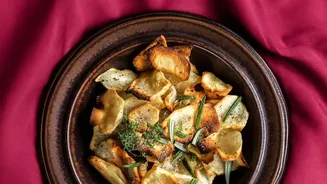
Frying takes the pursuit of crispiness to its extreme. When potatoes are plunged into hot oil (typically 175-190°C), the intense heat causes the water on the surface to flash into steam, aggressively dehydrating the exterior. This creates an ultra-crisp, rigid shell. At the same time, the inside of the potato cooks in the steam generated from its own moisture, resulting in a tender, almost creamy interior. The perfect chip often involves a two-step frying process: a first fry at a lower temperature to cook the inside through (gelatinisation), followed by a second fry at a higher temperature to achieve that signature golden-brown, crunchy crust via the Maillard reaction. Because the oil displaces water so rapidly, fried potatoes have a distinct texture that is crunchier than roasted potatoes, but with a similarly soft centre.
Choose Your Potato, Choose Your Destiny
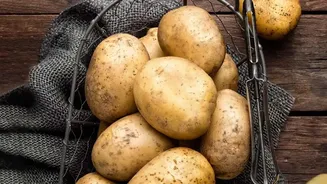
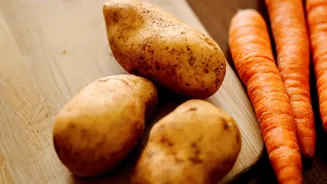
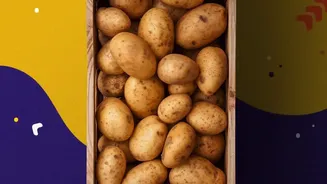
The type of potato you start with also plays a huge role in the final texture. Starchy potatoes, like the Russet, are high in starch and low in moisture. Their cells separate easily when cooked, making them light and fluffy. This makes them the top choice for baking, mashing, and creating classic fluffy-on-the-inside french fries. Waxy potatoes, such as red potatoes, are lower in starch and have a firmer, more moist flesh. They hold their shape well after cooking, which makes them excellent for boiling, roasting whole, and using in potato salads or stews. All-purpose varieties like Yukon Gold fall somewhere in the middle; they are versatile enough to work well in most preparations, offering a creamy texture that is good for mashing, roasting, and frying.