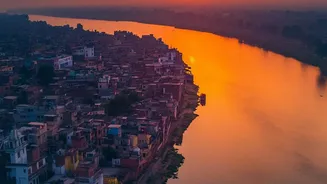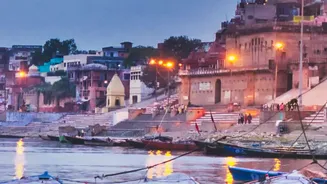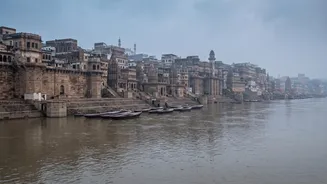


The Current Situation on the Ground
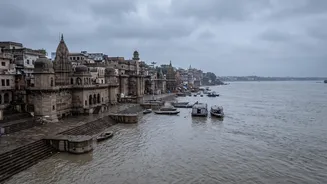
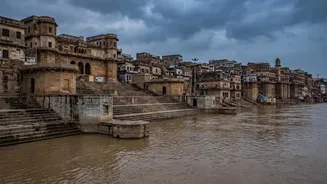
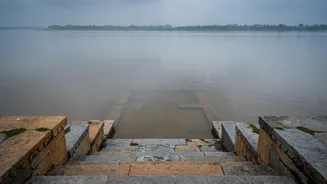
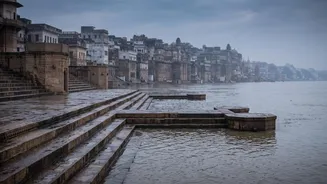
As of early September 2026, the Ganga River in Varanasi has risen above its official warning level. On Thursday, the water level was recorded at 70.54 meters, surpassing the warning mark of 70.262 meters. While this is still below the designated "danger
level" of 71.262 meters, the river continues to rise at a rate of about two centimeters per hour. The local administration, including the District Magistrate and police, are on high alert, actively monitoring the situation and inspecting affected areas by boat. The India Meteorological Department forecasts more rain in the coming days, which could further swell the river.
How Tourism Is Being Affected
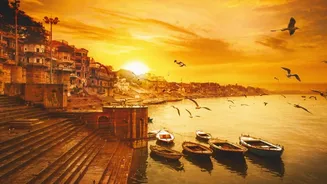
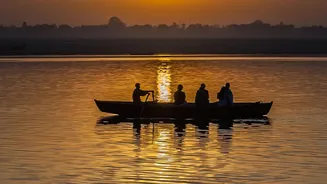
The rising water has a direct and immediate impact on the primary tourist activities in Varanasi. All 84 of the city's famous ghats—the stone steps leading to the river—are at least partially submerged, disrupting access and daily life. Consequently, the district administration has suspended all boat operations on the Ganga as a safety precaution. This means no sunrise or sunset boat tours, which are a cornerstone of the Varanasi experience. The iconic evening Ganga Aarti ceremony at Dashashwamedh Ghat has been relocated from its traditional spot on the lower platforms to higher ground. Furthermore, the floods have disrupted cremations at the sacred Manikarnika and Harishchandra ghats, with some rituals being moved to rooftops or adjacent buildings as the lower areas have gone underwater.
Official Advisories and Safety Measures
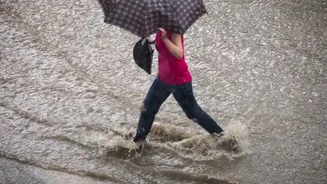
Authorities are urging both residents and tourists to exercise extreme caution. An official advisory is in place to stay away from the ghats and avoid entering areas with strong currents. Police have been deployed to routes leading to the river to prevent accidents. The flooding isn't limited to the Ganga; its tributary, the Varuna River, has also caused waterlogging in several low-lying residential areas, affecting thousands of people. In response, the administration has set up at least 13 relief camps and has National Disaster Response Force (NDRF) teams on standby. While the city's airports and train stations remain operational, movement within the areas closest to the rivers is challenging.
Should You Cancel or Postpone Your Trip?
Whether to travel to Varanasi right now depends heavily on your itinerary. If your visit is centered on riverside activities like boat rides, exploring the ghats on foot, or attending the Ganga Aarti in its usual setting, it is advisable to postpone your trip. These key experiences are currently suspended or significantly altered. However, the city itself is not shut down. Hotels, restaurants, and temples located further from the riverfront are largely operating as usual. If your plans include exploring the city's temples, markets, or nearby sites like Sarnath, you can still do so, but you will miss the essential river-based spiritual life of Kashi. For those already in the city, the guidance is clear: stay away from flooded areas and follow all instructions from local officials.
Staying Safe and Informed
If you decide to travel, or if you are already in Varanasi, prioritize health and safety. Standing floodwater increases the risk of waterborne diseases, so be vigilant about hygiene and only drink bottled or purified water. Navigating waterlogged streets can be difficult and dangerous. Always monitor local news and official bulletins for the latest updates on water levels and safety advisories. The situation during the monsoon can change rapidly, with water levels rising or falling based on rainfall upstream. Checking the Central Water Commission's daily reports can provide the most current data before finalizing any plans.