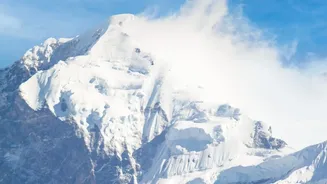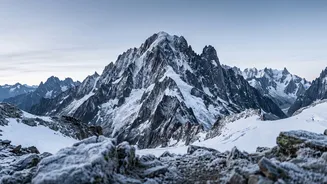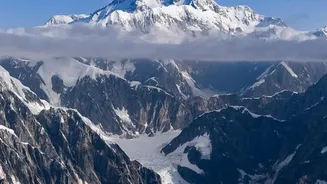






A Mountain in Constant Motion
According to the latest measurements announced on October 14, 2026, the official height of Mont Blanc is 4,807.47 meters (15,772.5 feet). This marks an increase of nearly two meters from the measurement taken in 2023, which was 4,805.59 meters. However,
this isn't a simple story of a mountain growing. The height of Mont Blanc has been on a rollercoaster over the past two decades. For instance, in 2007, it reached a high of 4,810.90 meters, and the general trend since then has been a slight decrease. These fluctuations highlight that the summit is a dynamic place, constantly being reshaped by the elements.
The Science of a Snowy Cap
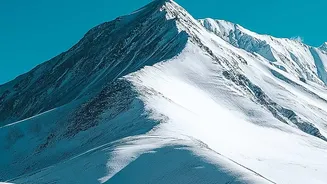
It's crucial to understand what is actually being measured. The rock summit of Mont Blanc sits at a stable altitude of about 4,792 meters. What changes is the thick cap of ice and snow that covers it. This 'soft' summit can vary in thickness by 15 to 20 meters. Its height is a direct result of the battle between snow accumulation and ablation. Winter precipitation adds mass, while wind and summer weather conditions can strip it away or cause compaction. The latest increase, for example, is thought to be influenced by weather patterns and precipitation over the past couple of years.
Meet the Mountain Measurers
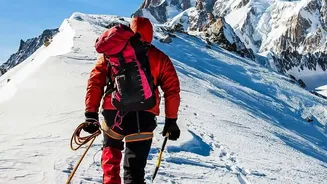
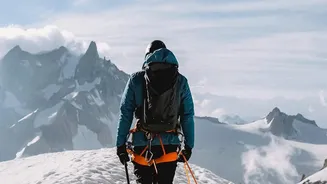
This valuable data comes from a dedicated team of about 20 expert surveyors, guides, and scientists who undertake a challenging expedition to the summit every two years. Since 2001, they have hauled nearly 30 kilograms of high-precision equipment, including satellite positioning instruments (GNSS) and drones, to the top of the Alps. The goal is to create a highly detailed 3D model of the snow and ice cap, tracking its evolution over time. This ongoing project provides a crucial long-term dataset for future generations of climatologists and glaciologists to study.
More Than Just a Number
While it's tempting to link a single height measurement directly to climate change, experts caution against it. The summit's fluctuation is primarily driven by high-altitude weather, especially wind and snowfall patterns. Glaciologists note that the ice at Mont Blanc's summit is so high and cold that it rarely melts, meaning climate change has not significantly affected the peak's ice cap thickness directly, unlike lower glaciers. However, the measurements are part of a much larger and more concerning picture. The Alps as a whole are warming at about twice the global average rate. Since the 1970s, the Alpine snowpack has decreased significantly, and Swiss glaciers have lost a staggering amount of their volume in just the last few years.
A Bellwether for the Alps
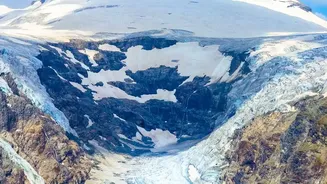
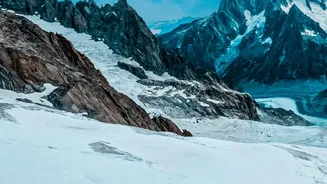
The changing height of Mont Blanc serves as a powerful symbol for the broader transformations happening across the Alps. Glaciers are retreating at an alarming pace, impacting everything from regional water supplies to the stability of mountain slopes. The duration of snow cover across the Alps is now a month shorter than the long-term average, threatening winter tourism and delicate alpine ecosystems. While the summit's snowy crown may grow one year and shrink the next, the overwhelming trend for the ice and snow across the rest of the mountain range is one of retreat. This regular survey of Mont Blanc provides a consistent, high-profile data point in the ongoing story of how our climate is reshaping even the most imposing landscapes on the planet.