



Beyond Baku: The Call of the Caucasus
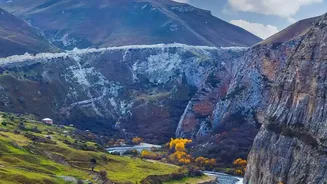
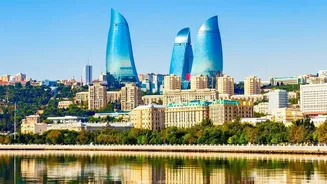
For many travellers, Azerbaijan begins and ends with the cosmopolitan energy of Baku. But just a few hours' drive from the capital, a different world unfolds. The Greater Caucasus Mountains dominate the country's northern skyline, a formidable and beautiful
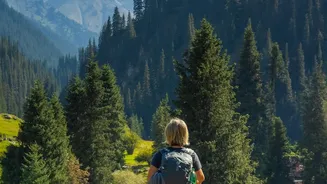
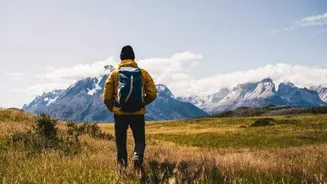
landscape of sharp peaks, alpine meadows, and deep canyons. This is the heart of Azerbaijan's hiking country, an underrated destination that offers trails rivaling more famous ranges but with far fewer crowds. Here, the adventure isn't just about conquering peaks; it's about the unique interplay between raw nature and enduring human culture found in villages that have been continuously inhabited for centuries.
Khinalig: A Village Above the Clouds
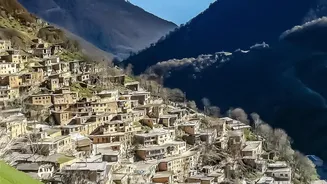
Perched at over 2,200 metres, Khinalig is one of the highest and oldest continuously inhabited villages in the Caucasus. Often called an open-air museum, this settlement in the Guba region has a history stretching back 5,000 years. The people of Khinalig speak their own distinct language and maintain ancient traditions. For hikers, the village serves as a spectacular base camp. The Khinalig-Galakhudat trail is a popular choice, offering an accessible route through subalpine meadows with panoramic views. This path follows part of a historic road, connecting hikers not just to the next village, but to a tangible piece of the region's past. For the more adventurous, Khinalig is a key point on multi-day treks that link to other remote settlements like Griz and Laza.
Lahij: Where Craftsmanship and Nature Meet
Nestled in a valley on the southern slopes of the Greater Caucasus is Lahij, another essential stop for any cultural hiking itinerary. Famous for its coppersmiths and artisans, this historic town features charming cobbled streets and stone houses. While Khinalig feels defined by its isolation and altitude, Lahij is a hub of living craftsmanship. But the experience doesn't end in the workshops. Numerous hiking trails radiate from the village into the surrounding hills of the Ismayilli region, offering a perfect way to digest the culture with a dose of fresh mountain air. Trails like the one from Muju village to Lahij present a challenging but rewarding trek through forests and across mountain pastures with breathtaking views.
The Transcaucasian Trail: A Path Through History
An ambitious project is underway to formalise and connect ancient shepherd paths and trade routes into the Transcaucasian Trail (TCT), a long-distance hiking trail spanning the entire Caucasus region. Several sections in Azerbaijan are already established and offer some of the country's most profound hiking experiences. The Guba section, for example, is a 120-kilometre route that connects villages like Khinalig and Griz, traversing high-altitude pastures and rugged canyons. Another section near Sheki follows parts of the historic Silk Road, blending forested ascents with cultural stops at ancient caravanserais and palaces. Hiking these marked, and sometimes unmarked, trails offers a self-supported adventure into the heart of Azerbaijan's mountain heritage.
Planning Your Azerbaijani Hike
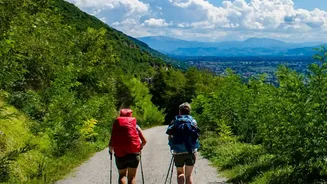
The best time for high-altitude hiking is generally between April and October, with July and August being peak season. For many routes, especially multi-day treks through remote areas, hiring a local guide is highly recommended. They not only ensure safety and navigation but also provide an invaluable bridge to the local culture, arranging stays in village guesthouses and sharing stories you wouldn't otherwise hear. Trails range from beginner-friendly day hikes to challenging multi-day expeditions with significant elevation gain. Many villages, like Laza and Khinalig, have guesthouses that welcome hikers, offering a comfortable bed and a taste of legendary Azerbaijani hospitality after a long day on the trail.