







The Soul of Chutney
Derived from the Hindi word 'chatna', which means 'to lick', a great chutney is something you should find utterly delicious. It serves a crucial purpose on the Indian thali, or plate, acting as a flavour bomb that can balance an entire meal. Whether it’s
a cooling counterpoint to a fiery curry or a tangy scoop alongside a rich, savoury snack, chutney provides complexity and excitement in every bite. There are countless varieties, from fresh, uncooked blends to slow-simmered preserves, but the most memorable ones are masters of balance. They achieve this by harmonising three key sensory experiences: fresh herbs, bright tang, and a gentle, aromatic spice.
The Herbal Foundation
The herbal element is what gives many fresh chutneys their vibrant colour and refreshing character. This is the soul of the popular green chutney, a staple in countless Indian households. Fresh coriander and mint are the undisputed stars here, providing a cooling, aromatic base that is both uplifting and flavourful. These herbs are not just for show; their fresh, almost grassy notes cut through richness and prevent heavier dishes from overwhelming the palate. Some recipes also incorporate curry leaves, which, when lightly toasted, add a deeper, more complex perfume. The key is to use these herbs generously. They are not a garnish but the primary building block, delivering a burst of freshness that defines the chutney's identity.
The Tangy Counterpoint
Tanginess is the quality that makes your mouth water and awakens your taste buds. In the world of chutney, this sour note is essential for creating contrast and balance. Without it, a chutney can taste flat or overly sweet. The sources of tang are wonderfully diverse. Lemon or lime juice is a common and straightforward choice, offering a bright, clean acidity. For a deeper, more complex sourness, tamarind is a classic ingredient, lending a sweet-and-sour profile that is central to many chaat chutneys. Other popular souring agents include raw mangoes (kairi), which provide a sharp, seasonal tartness, and even tomatoes, which contribute a milder, fruitier acidity. This tangy element is designed to be a piquant counterpoint, lifting the other flavours and making the entire condiment sing.
The Gentle, Aromatic Spice
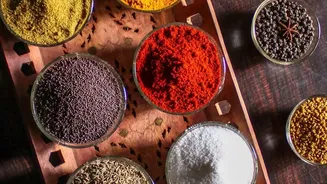
When we talk about spice in a balanced chutney, we are not necessarily talking about overwhelming heat. While green or red chillies certainly play a role, providing a welcome kick, the true art lies in the use of aromatic spices. The goal is to add warmth and complexity, not just fire. Toasted cumin seeds offer a nutty, earthy depth, while a small amount of fresh ginger can provide a pungent, warming heat that is distinct from that of chillies. Other spices like coriander seeds, fenugreek, and even a pinch of asafoetida can be used to build layers of flavour. This gentle spiciness should complement the herbal and tangy notes, not overpower them. The idea is to create a subtle warmth that lingers pleasantly, rounding out the flavour profile and adding a layer of fragrant intrigue.
Achieving Perfect Harmony
The magic of a truly great chutney lies not in any single ingredient but in the harmony between them. Making chutney is an exercise in tasting and adjusting. Think of it like a conversation between flavours. Is the herb-forward base of your mint-coriander chutney a little flat? Add another squeeze of lemon juice to make it pop. Is your tamarind chutney too sharp? A small amount of jaggery or dates can introduce a gentle sweetness to round out the edges. If you've accidentally added too much chilli, incorporating ingredients like coconut or roasted peanuts can help mellow the heat while adding a pleasant texture. The process is intuitive. Start with your base, then slowly add your tangy and spicy elements, tasting at every step until you reach a point where every flavour is distinct yet perfectly integrated.