

Start with the Right Saffron
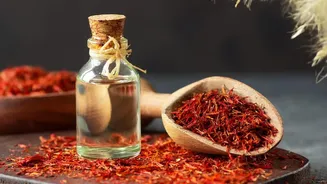
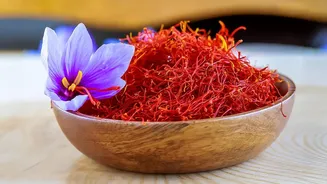
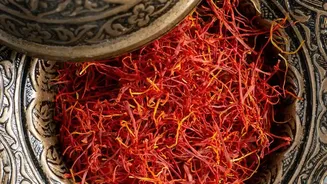
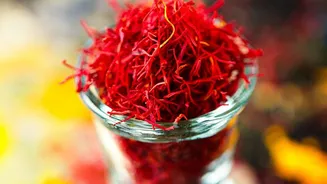
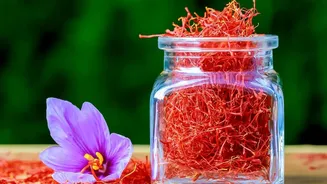
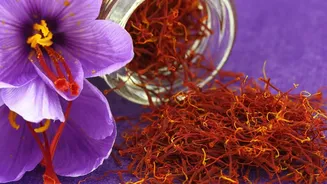
Your journey to saffron mastery begins at the point of purchase. The market is unfortunately filled with low-quality or even fake saffron. High-quality saffron consists of deep, trumpet-shaped, all-red threads. While some producers leave the yellow style
attached to add weight, these yellow parts offer no culinary value. Avoid powders, which are easily adulterated with substances like turmeric or safflower, and saffron that looks frayed or has too many pale streaks. A quick test at home can verify authenticity: steep a few threads in warm water. Real saffron will slowly release a golden-yellow hue while the threads themselves remain red and intact. Fake saffron often bleeds colour instantly, turning the water red, and the threads may disintegrate. The aroma should be a complex mix of hay and honey, while the taste on the tongue is distinctly bitter, not sweet.
Store Your Treasure Correctly
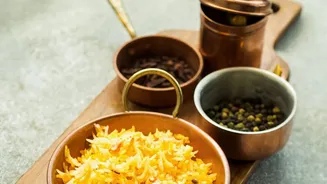
Once you have high-quality saffron, you must protect it from its enemies: light, heat, moisture, and air. These elements degrade the spice's delicate compounds, causing it to lose its potent aroma and vibrant colour. The best practice is to store your saffron in a small, airtight container made of glass or metal. An opaque or dark-coloured container is ideal, but if you only have a clear one, be sure to keep it in a dark place like a cupboard or pantry. Keep it away from sources of heat and steam, like your stove or dishwasher. Contrary to what you might think, the refrigerator is not a good place for saffron, as the condensation that forms each time you open the container can introduce damaging moisture. Stored properly in a cool, dark, and dry spot, saffron threads can maintain their potency for two to three years.
The Crucial Step: Blooming Your Saffron
Simply tossing dry saffron threads into your dish is one of the biggest mistakes you can make. To unlock saffron's full potential, you must 'bloom' it first. This process involves steeping the threads in a warm liquid to draw out the compounds responsible for colour (crocin), flavour (picrocrocin), and aroma (safranal). The method is simple: gently crush a pinch of saffron threads, about 15-20 for a dish serving four, with your fingers or a mortar and pestle. Place the crushed threads in a small bowl and cover them with a few tablespoons of warm—not boiling—liquid. Boiling water can scorch the delicate spice and destroy its flavour. Let it steep for at least 15 to 20 minutes; you’ll see the liquid turn a deep golden-orange. Then, add the entire infusion—both the liquid and the threads—to your recipe to ensure no flavour is wasted.
Choosing the Right Blooming Liquid
While warm water is the most common and versatile liquid for blooming saffron, you have other options that can complement your dish. For desserts, kheer, or lattes, steeping the saffron in warm milk creates a richer, creamier flavour profile. For savoury dishes like risotto or seafood preparations, a warm white wine can be an excellent choice. Similarly, using a warm vegetable or chicken stock is perfect for dishes like biryani or paella, as it integrates the saffron's flavour directly into the dish's foundation. Some chefs even use an ancient method of steeping saffron over ice cubes, allowing them to melt slowly over an hour or so. While this method is thought to yield a slightly more intense aroma, the difference is subtle, and warm liquid works perfectly well when you're short on time.