





The Core Philosophy: Internal Stillness vs. External Flow
At their heart, Tai Chi and kayaking offer profoundly different experiences. Tai Chi is often called 'meditation in motion'. Its focus is internal, cultivating a sense of calm, balance, and mindful awareness through slow, deliberate sequences known as
forms. The practice is about feeling your body in space, coordinating breath with movement, and finding stability from the ground up. Kayaking, meanwhile, turns your focus outward. It's about navigating a gentle river, a calm lake, or a quiet coastline. The rhythm comes from the repetitive, fluid motion of your paddle dipping into the water, propelling you through a natural landscape. While both can be meditative, Tai Chi encourages you to go inward, whereas kayaking invites you to connect with the world around you.
Gradual Movements: Grounded and Flowing vs. Rhythmic and Repetitive
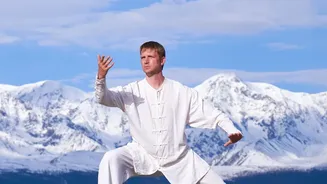
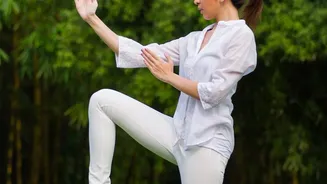
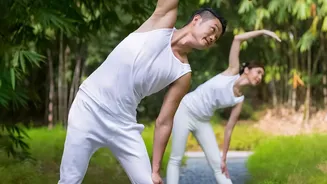
The 'gradual movement' in Tai Chi comes from its slow, continuous, and circular motions. For a beginner, this involves learning to shift your weight smoothly from one foot to the other while your arms move through graceful, non-strenuous arcs. Movements like 'White Crane Spreads Its Wings' or 'Parting the Wild Horse's Mane' teach you to move your joints through their full range of motion without any jarring impact, which gradually improves flexibility. The progression is about mastering posture and technique, not speed or force. In kayaking, the gradual movement is found in the rhythmic cycle of the paddle stroke. Proper technique isn't about brute arm strength but about engaging your core. The power comes from rotating your torso, planting the paddle, and unwinding your body to pull the kayak forward. For a beginner, this is a low-impact and repetitive motion that builds endurance and strength without stressing the joints. You can start with short, calm paddles and gradually increase your distance and speed as you become more comfortable.
Building Strength and Stability
Though gentle, both activities are surprisingly effective at building core strength. Tai Chi is a 'sneaky workout' that strengthens the deep stabilizer muscles in your core, back, and legs as you work to maintain balance through slow weight shifts. This focus on stability is why studies show it is excellent for improving balance and preventing falls. Kayaking is also a fantastic core workout. To stay balanced in the boat and power your strokes efficiently, you must constantly engage your abdominal and oblique muscles. While Tai Chi builds strength through grounded balance, kayaking builds it through dynamic stability on the water. Kayaking also provides a more significant upper-body workout, strengthening the back, shoulders, and arms with each paddle stroke.
Getting Started: Accessibility and Equipment
Here, the two disciplines diverge significantly. One of Tai Chi's biggest advantages is its accessibility. You need no special equipment—just comfortable clothing and a small amount of space. You can practice in your living room, a park, or a community center, making it a very affordable and convenient option. Kayaking requires more commitment. At a minimum, you need a kayak, a paddle, and a personal flotation device. You also need access to a suitable body of water and a way to transport your gear. Many beginners start by renting equipment or taking a guided tour to learn the basics before investing in their own gear.