




When to Go and How to Plan
The best time to visit Assam's national parks is between November and April. During these months, the weather is pleasant, and the chances of wildlife sightings are high after the monsoon floods have receded. Parks like Kaziranga typically reopen in October
and remain accessible until May. It is crucial to book your accommodation and safaris well in advance, especially during the peak season from December to February, as permits and popular lodges get filled quickly. Planning your itinerary around specific safari zones will maximize your chances of seeing the rich biodiversity Assam has to offer.
Kaziranga National Park: A Rhino Haven
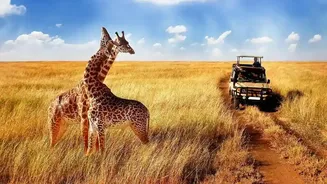
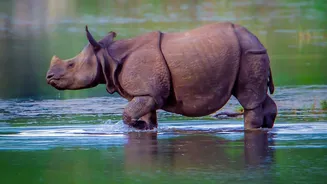
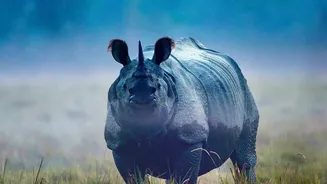
Home to two-thirds of the world's great one-horned rhinoceroses, Kaziranga is a UNESCO World Heritage Site and the state's star attraction. The park is divided into four main safari ranges, each offering a unique experience. The Central Range (Kohora) is popular for its mix of grasslands and wetlands, offering balanced sightings of rhinos and elephants. The Western Range (Bagori) has the highest density of rhinos, making it ideal for close encounters. For birdwatchers, the Eastern Range (Agoratoli) is a paradise with its rich avian life and herds of wild water buffalo. The Burapahar Range offers a hillier terrain and is great for spotting primates. Safaris are conducted by Jeep and, seasonally, on elephant back. Jeep safaris typically run in morning (from 7:30 AM) and afternoon (from 1:30 PM) shifts. Elephant safaris, ideal for up-close rhino viewing in the grasslands, usually operate only in the early morning.
Manas National Park: Himalayan Foothills Beauty
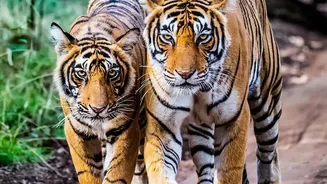
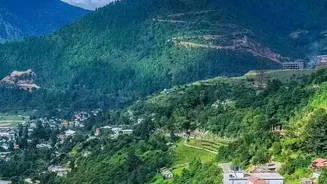
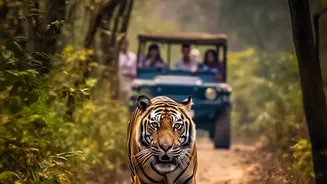
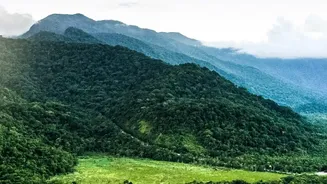
Another UNESCO World Heritage site, Manas National Park offers a different landscape, set against the backdrop of the Himalayan foothills bordering Bhutan. This park is a Tiger and Elephant Reserve, known for its scenic beauty and rare species like the golden langur and pygmy hog. The main safari zones include Bansbari (Central), which is the most accessible and offers lovely river views, and Bhuyanpara (Eastern), known for its open grasslands and good wildlife density. Jeep safaris are the primary way to explore Manas, taking you through dense forests and along the beautiful Manas River. For a unique perspective, river rafting on the Manas River is also available, offering a serene way to spot birds and animals along the banks.
Orang and Nameri: The Offbeat Gems
Often called 'Mini Kaziranga' for its similar landscape of grasslands and wetlands, Orang National Park is a smaller, less crowded alternative. It is the only stronghold of the rhinoceros on the north bank of the Brahmaputra and boasts one of the highest tiger densities in India. Visitors can explore the park via jeep safari. Nameri National Park, on the other hand, offers a more adventurous experience. Instead of vehicle safaris, the main activities here are guided jungle treks and river rafting on the Jia Bhoroli river. It's an excellent destination for birdwatchers and those looking to explore the forest on foot, accompanied by a forest guard for safety.
Essential Safari and Travel Tips
When booking your trip, always stick to the approved safari routes managed by the forest department. Never ask your driver or guide to alter the designated path. Carry a government-issued photo ID that matches your booking details. Dress in neutral, earth-toned clothing and consider layers, as early mornings can be cool. A hat, sunscreen, and insect repellent are must-haves. Binoculars are highly recommended for better viewing, especially for birds. Most importantly, maintain silence and respect the wildlife. Do not feed the animals or use flash photography, as it can disturb them. Booking your permits and safaris through your lodge or a reputable tour operator can simplify the process and ensure you have a seamless experience.