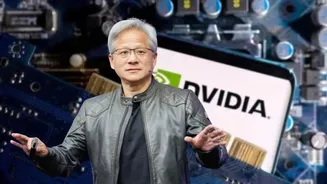






A 1950s wartime law, a Silicon Valley succession crisis, and the future of artificial intelligence. It sounds like a political thriller, but it's the reality that just played out at Nvidia, one of the world's most critical technology companies.
A Crisis at the Top
The term
'leadership dispute' barely scratches the surface of the recent turmoil at Nvidia. In early November 2026, CEO Jensen Huang resigned amidst a scandal involving an affair with an executive of a company suspected of illegally diverting Nvidia's advanced AI chips to China. The executive, Alice Huang (no relation), was the former CEO of a Singapore-based firm named Megaspeed, which was under investigation by the U.S. Commerce Department. The revelations sent shockwaves through the tech industry and Washington, raising alarms about corporate governance and, more importantly, potential breaches of US national security. Nvidia's board launched an internal investigation, and for 11 days, the future of the architect behind the AI boom was uncertain.
What Is the Defense Production Act?
Enter the Defense Production Act (DPA), a law from the Korean War era. It grants the U.S. president broad powers to direct private companies to prioritize government contracts and allocate materials deemed essential for national defense. While it sounds like a tool for wartime mobilization, its definition of 'national defense' is expansive, covering everything from military hardware to public health emergencies and critical infrastructure. Recent administrations have used it to compel the production of ventilators during the COVID-19 pandemic and to address shortages of baby formula. In essence, when the government deems a resource or capability vital to the nation's security and stability, the DPA is the lever it can pull to ensure the private sector falls in line.
The Pentagon's Audacious Idea
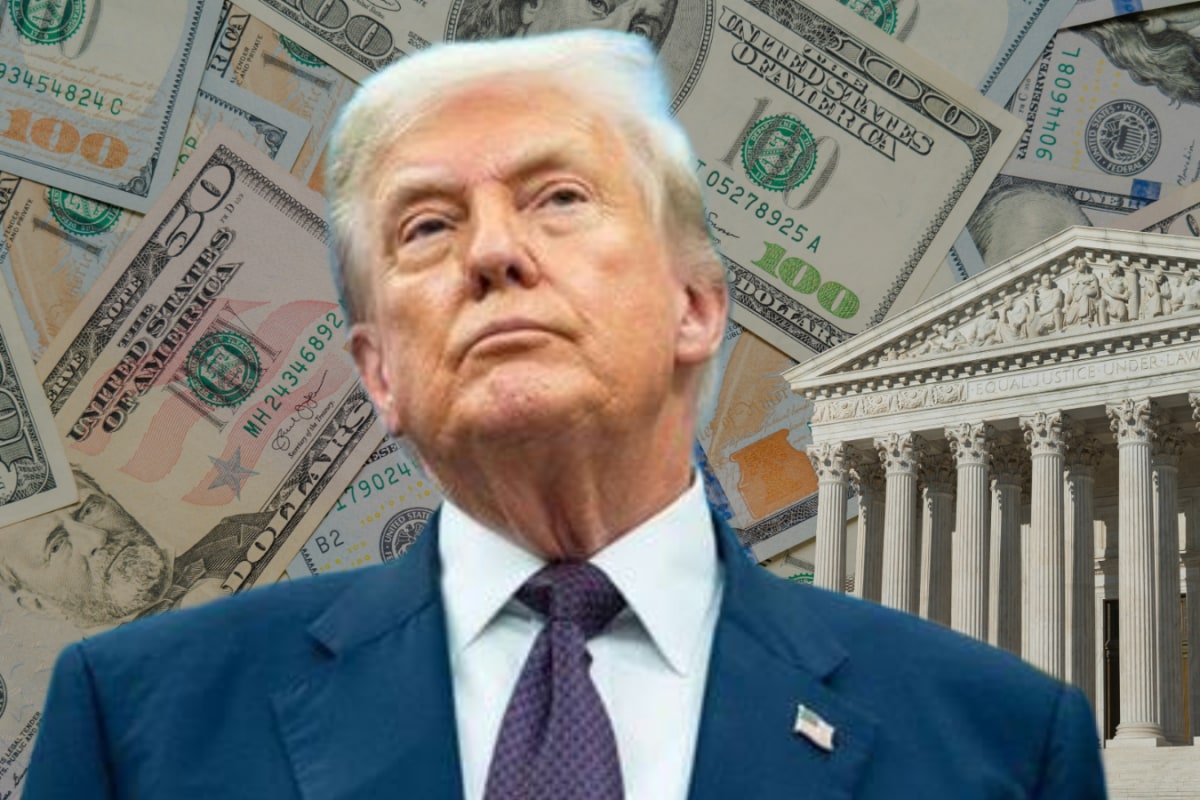
As Nvidia's board deliberated, senior Pentagon officials, including Defense Secretary Pete Hegseth, discussed an extraordinary possibility: using the DPA as leverage. The logic wasn't to directly appoint a CEO, which the law does not permit. Instead, the idea was to send a powerful message. Officials reportedly discussed using the DPA to force Nvidia to prioritize and accept government contracts, effectively redirecting a significant portion of its production capacity toward military projects. Such a move could have severely hampered the company's commercial plans and profitability, making it a potent threat to get the board's attention. The Pentagon viewed Nvidia's stability and leadership as critical to national security, making this unprecedented pressure campaign a serious consideration.
Why Washington Cares So Much
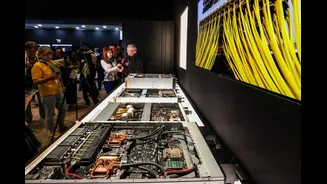
The U.S. government's intense interest isn't just about one executive; it's about the technology he represents. Nvidia's advanced GPUs are the engine of the artificial intelligence revolution, a field now at the center of geopolitical competition, particularly with China. These chips are crucial for developing everything from military AI to critical infrastructure and economic innovation. The U.S. has implemented strict export controls to prevent this technology from ending up in the hands of adversaries, an effort allegedly compromised by the smuggling operations linked to the Nvidia scandal. In this context, ensuring the world's leading AI chipmaker is led by a trusted figure and its production is aligned with U.S. interests becomes a paramount national security objective, not just a business matter.
A Leader Restored and a New Precedent
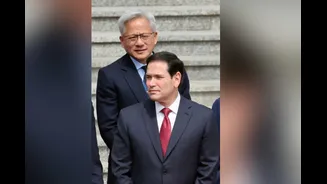
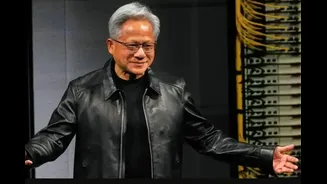
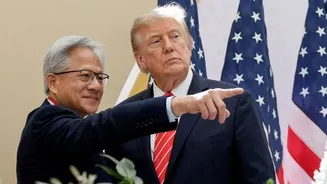
Ultimately, Jensen Huang was reinstated as CEO on November 23, 2026, following assurances from the U.S. government that his return did not pose a security risk and reported intervention from President Donald Trump. While the Pentagon has denied that formal discussions about using the DPA took place, the fact that it was floated at high levels speaks volumes. Nvidia, for its part, has created a new board committee to oversee national security and export controls. The episode reveals a new reality for Silicon Valley: for companies operating in strategically critical sectors like AI, internal corporate matters are no longer entirely private. When a company becomes too important to fail, its leadership and direction can become a matter of state-level intervention.