


The Challenge with Imported Varieties
For decades, Indian strawberry farming has depended heavily on imported mother plants, primarily from California. Varieties like Sweet Charlie, Camarosa, and Winter Dawn have become common, especially in Mahabaleshwar, which accounts for about 85% of
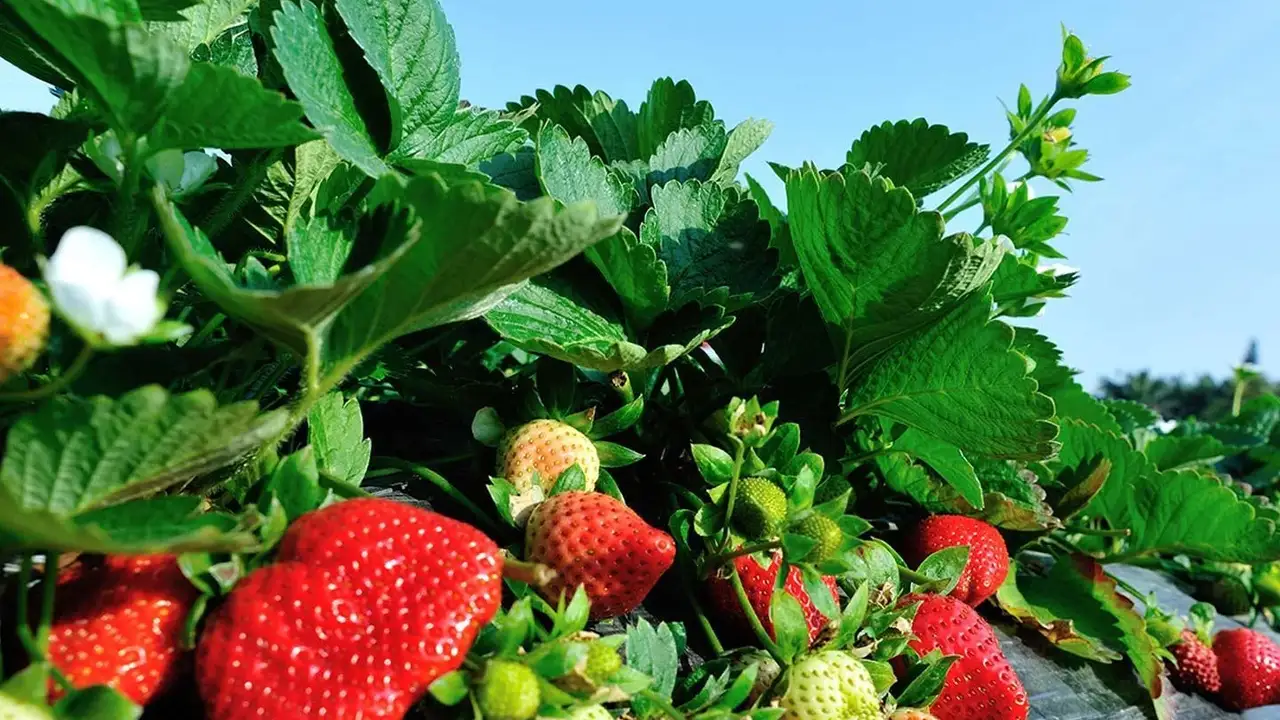
India's total strawberry production. This reliance, however, presents significant challenges. Importing plants is costly for farmers, and these varieties are not always perfectly suited to India's diverse and often unpredictable climate. Unexpected heatwaves or heavy rains can devastate crops that were bred for different environmental conditions, leading to significant financial losses and inconsistent yields. Furthermore, these plants are susceptible to local pests and diseases, requiring intensive management.
The Quest for an Indian Strawberry
In response to these issues, a concerted push is underway to develop India's own indigenous strawberry varieties. The goal is to create cultivars that are not only high-yielding but also resilient to local climatic stresses and diseases. The Indian Council of Agricultural Research (ICAR) is involved in various projects aimed at crop improvement and diversification across the country. One of the most significant initiatives is a joint research project between Mahatma Phule Agricultural University and the Bhabha Atomic Research Centre. This project is using advanced techniques like gamma irradiation to induce genetic mutations, with the long-term aim of creating a truly 'Made in India' strawberry. While this process is meticulous and may take over a decade to yield a commercial variety, it represents a critical step towards self-reliance in the sector.
International Collaboration and New Hope
While homegrown varieties are the ultimate goal, collaboration is providing a more immediate boost. Italian breeder Nova Siri Genetics has partnered with Indian companies Mahaberry and 8 Berries to introduce and test new, more suitable varieties in the Indian market. These partnerships aim to distribute plants that offer better taste, yield, and shelf life, which are adapted to local conditions. Varieties like Melissa, Marimbella, and Rossetta are being introduced for commercial cultivation. These berries are noted for their early maturity, sweetness, and disease resistance, offering a significant competitive advantage to Indian farmers who have long been reliant on a limited pool of foreign cultivars.
Beyond Mahabaleshwar: Expanding the Map
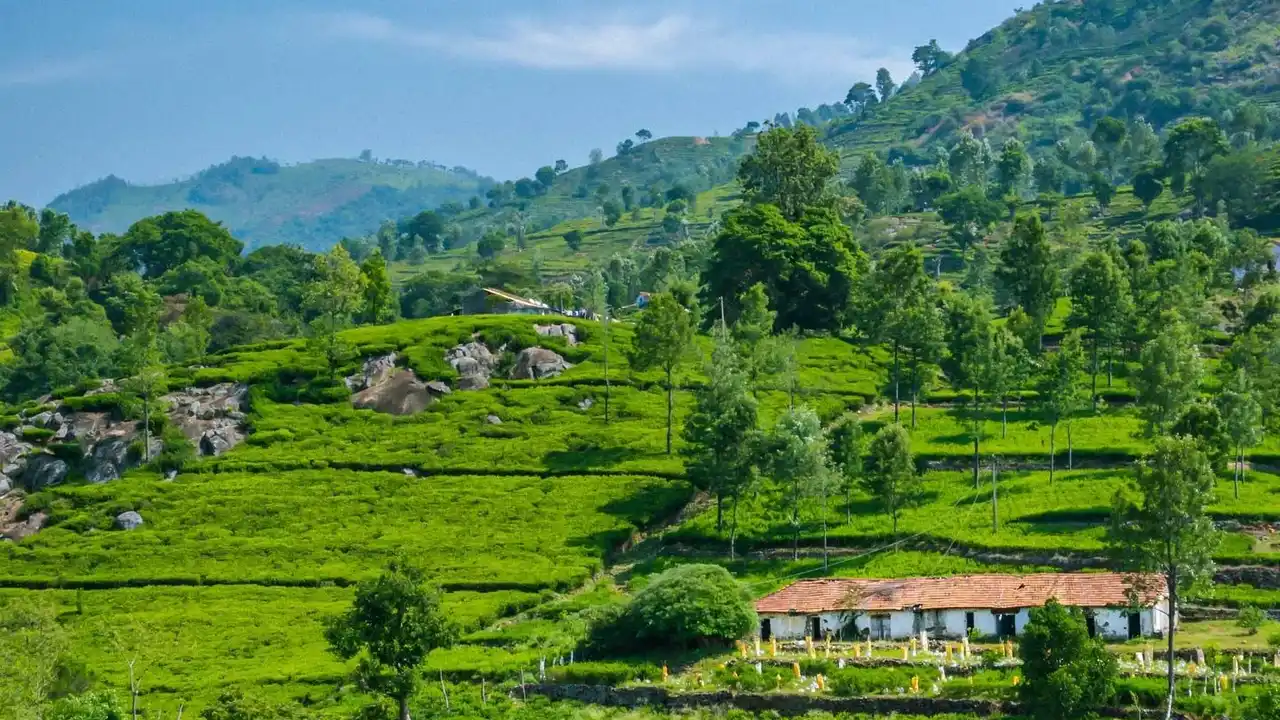
The development of hardier varieties is also enabling the expansion of strawberry cultivation beyond its traditional stronghold in the hills of Maharashtra. Farmers in states like Rajasthan, Haryana, and even Mizoram are now successfully growing strawberries, often with remarkable results. For example, the Winter Dawn variety has proven to be adaptable to the hotter climate of Rajasthan, producing fruit with a unique, complex flavour profile. Agricultural research institutes are actively evaluating different varieties in non-traditional areas, such as the Bundelkhand region, to promote crop diversification and provide farmers with more profitable alternatives. This geographical expansion not only increases the country's total output but also extends the availability of fresh strawberries in local markets across India.
Innovation on the Farm
Alongside breeding efforts, Indian farmers are adopting modern agricultural technologies to overcome challenges. To mitigate weather-related risks, some larger farms are investing in hydroponics and protected cultivation in polyhouses. These methods allow for greater control over the growing environment, protecting the delicate plants from adverse weather and reducing water usage. AI-powered weather stations are also being used to provide precise, real-time data, helping farmers make informed decisions about irrigation and crop protection. These technological interventions, combined with the introduction of better-suited plant varieties, are paving the way for a more stable and profitable future for India's strawberry industry.